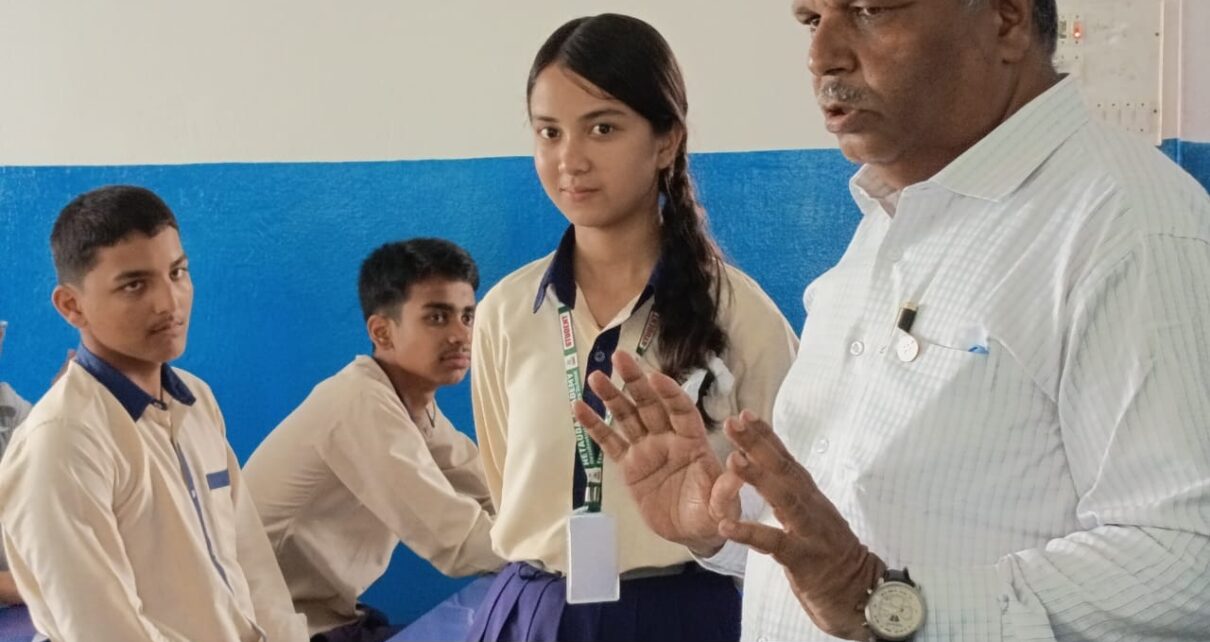

S.S. Dogra, 31 July,2025 from Hetauda Academy. In today’s digital era, media is no longer limited to just news. It has evolved into a powerful tool that connects, informs, and inspires every section of society. Especially in a progressive country like Nepal, where the youth population is growing rapidly, media has emerged as a promising career option for students.
Why not Media Education at the School Level?
If you’re a student studying in any school in Nepal and have a flair for thinking differently, speaking confidently, or writing creatively—then media can be the ideal platform for you.
Nowadys, mobile phones, internet, YouTube, Facebook, Instagram, and other digital tools are in the hands of students, why not use them positively and purposefully?
What can Media Teach?
Delivering the right information at the right time
Becoming the voice of the people
Spreading awareness on societal issues
Creative writing, public speaking and presentation skills.
Students in Nepal must realize that media isn’t just about TV reporting or publishing news in newspapers. Media offers a wide range of opportunities, including:
Radio anchoring
Camera operations
Running a YouTube channel
Short film production
News blogging
Photography
Documentary filmmaking
Podcasting
Media Can do wonders in Students Life
If students begin dedicating just one hour daily to media-related content—like reading news in the morning or watching constructive debates or writing something at night—it will greatly enhance their communication skills, critical thinking, and command over language.
Why Media Education Essential in Nepali Schools?
Currently, most schools in Nepal do not formally offer media studies. However, some CBSE-affiliated senior secondary schools in India have already introduced Mass Media Studies as a subject in Grade 11, alongside Science and Commerce streams.
Nepali children are hardworking and talented, so the time has come for Nepal to incorporate media studies in school curriculum as well. At the school level, students can be taught the basics of:
News writing
Reporting
Video editing
Mobile journalism
Responsible use of social media
How to Begin Media Engagement in Schools?
Start a school newspaper — written by students
Launch a monthly radio or podcast show — covering school events and social topics
Form a video blog/digital media club — to teach video editing and camera handling
Organize interaction sessions with journalists and media professionals — for inspiration and guidance
Benefits of Engaging with Media
Boost in self-confidence
Improvement in communication skills
Development of leadership qualities
Better understanding of society and national issues
Growth in creative and socially aware thinking
Golden Opportunity for Nepali Youth
Media continues to offer immense opportunities in Nepal. Youth should start taking this field seriously, practice regularly, and seek proper guidance to succeed. Encouragingly, many institutions in Nepal have already started media courses.
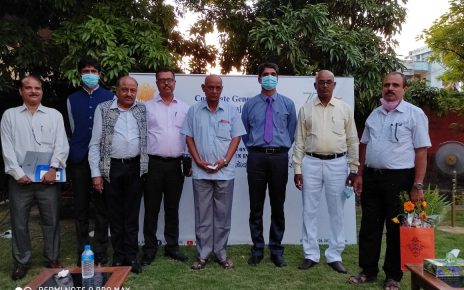
One such example is Hetauda Academy, run by the Sumargi family, which has taken a pioneering step in this direction. Its Chairman, Arun Raj Sumargi, along with his dedicated team, is tirelessly working to encourage students and staff in this field.
The Growing Impact of Media in South Asian Countries
Much like Nepal, Pakistan, Bangladesh, and Sri Lanka are also witnessing a media revolution. Students in these nations are now exploring career opportunities in media alongside traditional academics.
In Pakistan, visionary educationist Rehan Allahwala has been running a mission for the last three years to connect primary students to global online education and help empowering the nation.
In these countries, youth populations are emerging as strong forces equipped with smartphones, internet access, and social media tools. Students are no longer just consumers—they are now content creators.
Why Media Crucial in These Nations?
In Pakistan, youth are raising their voices through YouTube, podcasts, and local news portals in Urdu, Punjabi, and Sindhi languages.
In Bangladesh, there is renewed energy in journalism and filmmaking. Students are debating social issues on social media and spreading awareness through short films.
In Sri Lanka, YouTube channels, blogging, and radio programs in Tamil and Sinhala are gaining popularity, offering both educational and career opportunities to students.
Despite their linguistic and cultural diversity, media in these countries serves as a common platform for unity, dialogue, and democratic values.
From Regional Collaboration to Global Voice
If Nepal, India, Pakistan, Bangladesh, and Sri Lanka collaborate regionally on media education, it will lead not only to cross-cultural exchange but also help bring South Asia’s collective voice to the global stage more powerfully.
Let us, the students of South Asia, create a new era of media—one that transcends borders and advances knowledge, understanding and creativity.
Conclusion
Media is a field where any student can achieve great success through creativity, vision, and consistent effort. No matter where you live, if you want to pursue a career in media, start preparing from today. Your smartphone and internet can become your teachers—what you need is direction and dedication.
So, let’s learn, write, speak, and move forward—towards a bright future with media!
(Author is a Senior Journalist & Media Educator) Date:30th July,2025 from Hetauda Academy, NEPAL