Dr.Vijay Datta, Kathmandu, 1 October.
*The Geopolitical Imperative of the
Himalayan Bridge*
Nestled precisely along the rugged and majestic arc of the Himalayas, Nepal occupies one of the most sensitive, strategic, and volatile geopolitical intersections on the globe. Sandwiched between two rising global superpowers- India to the south, west, and east, and China to the north—Nepal’s existence has perpetually required a masterclass in diplomatic balancing. For decades, foreign policy debates in Kathmandu have oscillated between models of isolation, active non-alignment, and transactional pragmatism. Yet, true geopolitical resilience requires much more than temporary tactical maneuvering; it demands a deep, organic synthesis of civilizational identity, internal governance integrity, and visionary statecraft.
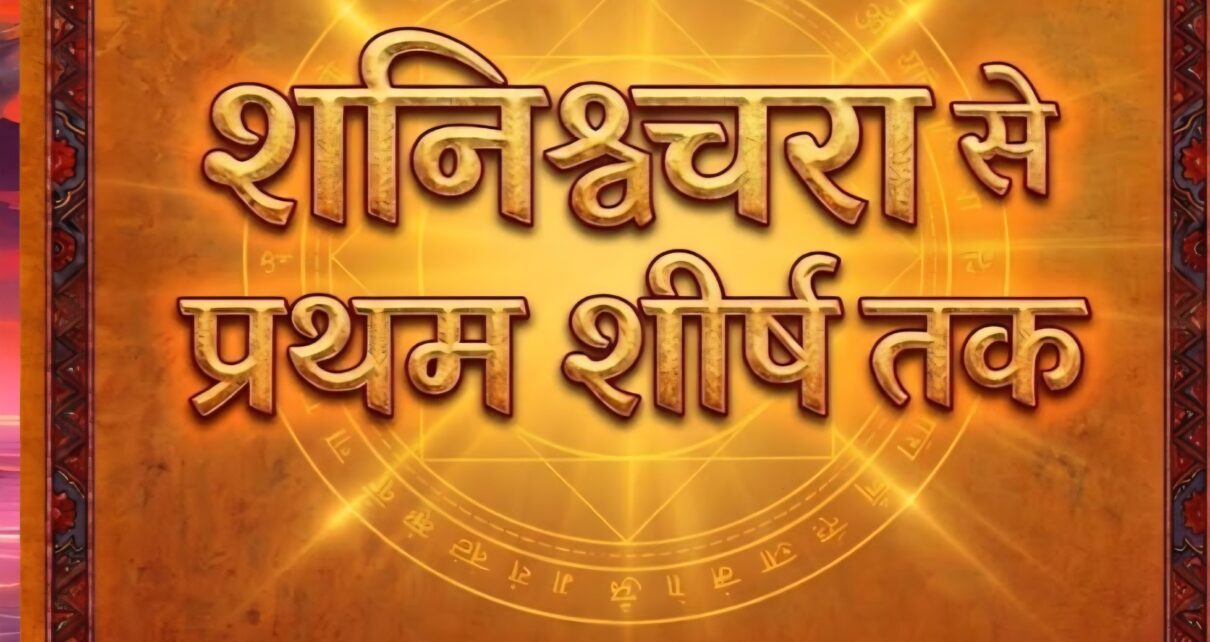
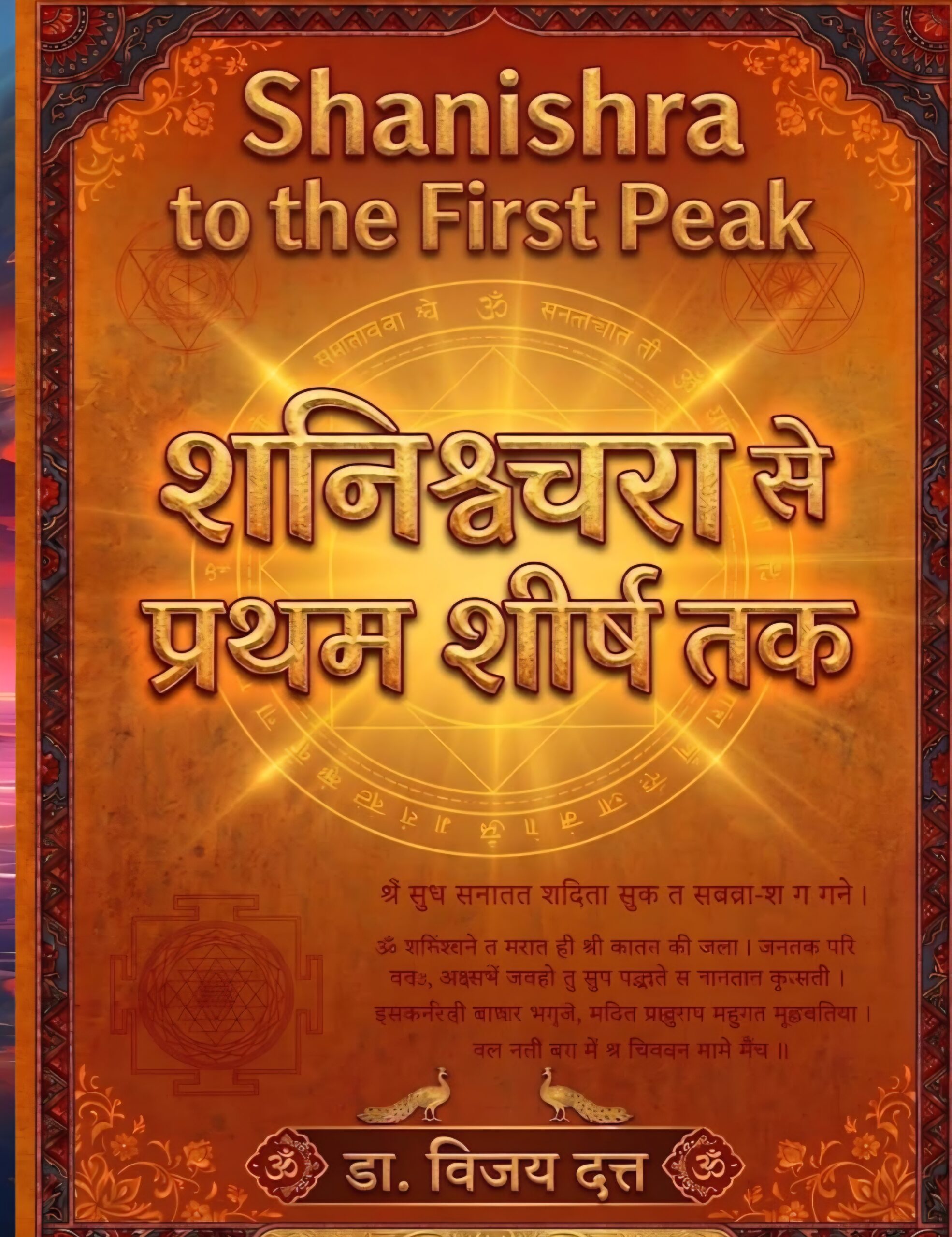
The monumental 35-chapter treatise, “Shanishara to the First Peak” (published by the Kameshwari Vasudeva Smriti Pratishthan and launched by the centenarian luminary Dr. Gauri Shankar Lal Das), offers an extraordinarily comprehensive roadmap for this exact equilibrium. Moving far beyond the conventional boundaries of a political memoir, the work traces a deeply personal and nationally symbolic trajectory: from the grassroots, dust-and-soil reality of Belhi’s Shanishara to the apex of constitutional leadership and state responsibility. The review ers of the book were Dr.Sweta Dipti and Mahesh Pasain,,they are the well-reputed personalities.
By weaving together all 35 chapters of the text, an overarching diplomatic doctrine emerges – one that reconciles shared southern heritage with multi-dimensional northern connectivity, defining what can aptly be termed “Linked Diplomacy.”
*The Civilizational Anchor* (Chapters 1–12)
Rooting Foreign Policy in Identity, Heritage, and Soft Power
A balanced Himalayan foreign policy cannot be constructed in a diplomatic vacuum or treated as a mere exercise in transactional bureaucracy. According to the foundational architecture of the text, a nation’s external strength is a direct reflection of its internal civilizational anchoring.
The Foundation of Identity and Cultural Memory*
Chapters 1–7 (The Original Fabric): The treatise opens by examining the core concepts of “Original Nepal” and shared historical liberties (Chapters 1–2). It pays profound tribute to intellectual and literary giants like Dr. Rajendra Bimal and explores the timeless spiritual legacy of Janakpurdham (Chapters 3–4). However, it refuses to romanticize history without addressing contemporary friction, offering unflinching analyses of the demographic crisis facing historical intellectual strata such as the Kayasth community, alongside the vibrant multi-ethnic mosaic of Madhesh (Chapters 5–6). It grounds social organization within classical scriptural ethos rather than rigid modern divides (Chapter 7).
Chapters 8–12 (Sovereign Soft Power and Regional Realities): Moving toward external engagements, the work confronts sensitive regional pressures, including refugee influxes and the evolution of cultural nationalism through unifying symbols like Vande Mataram (Chapters 8–9). It then pivots directly to the imperative of foreign policy renewal, analyzing external dependencies (“The Wait”), the revival of river-basin ecologies like the Mahanaga Aarti, and the profound philosophical depths of ancient Videha (Chapters 10–14).
By establishing these pillars, the text argues that cultural diplomacy and shared spiritual geography are not secondary tools of statecraft; they are the primary, unshakeable bedrock upon which all formal bilateral architecture must rest.
*The Geopolitical Crucible* (Chapters 13–24)
Navigating the Sino-Indian Vortex and Internal Governance
When a sovereign state acts as a buffer or a vibrant bridge between two nuclear-armed giants, its internal political stability, administrative efficiency, and institutional strength directly dictate its international bargaining power.
Managing Regional Turbulence and Bilateral Realities
Chapters 13–19 (Caught in the Vortex): The author vividly captures Nepal caught in the geopolitical whirlpool (“Madhy Bhanwar Mein”, Chapter 13), yet continuously anchors the state’s moral compass in the eternal Eastern ideal of Vasudhaiva Kutumbakam—the world as one family (Chapter 15). Reflecting on the blood-soaked historical journey of democratic struggles and the debilitating inertia of state administration (Chapters 16–18), the text arrives at its defining assessment of Nepal-India relations: they are “Vastu se Bandhit”—bound inextricably by nature, geography, ecology, and shared civilizational bloodlines (Chapter 19).
Chapters 20–24 (Borders, Development, and Rhetoric): Addressing the tension between silence and decisive articulation (Chapter 20), subsequent chapters dissect administrative bottlenecks, the structural reality of inclusive state organs, and the acute security vulnerabilities of open-border management (Chapters 21–23). It issues a sharp warning against the widening chasm between empty political slogans and hard socio-economic ground realities (Chapter 24).
In this crucible, the text emphasizes that internal misgovernance directly invites external interference. A fractured state cannot maintain a coherent foreign policy; hence, domestic reform is treated as a core prerequisite for external sovereignty.
*The Strategic Synthesis and the Peak* (Chapters 25–35)
Statecraft, Philosophy, and the Sovereign Summit
The final segment of the treatise bridges classical political philosophy with contemporary administrative execution, formulating a sophisticated blueprint for Nepal’s 21st-century international posture.
Philosophical Statecraft and the Sovereign Summit
Chapters 25–32 (Wisdom, Development, and Structure): Bringing Western political theory (such as Aristotle’s concepts of the state) into active dialogue with ancient Eastern epistemology and economic diplomacy, the chapters map out foreign policy as an indispensable driver of national economic development (Chapters 25–27). It offers a rigorous critique of partisan Madhesi leadership, reinterprets the governance ideals of Lord Rama, addresses the alarming socio-economic crisis of youth brain drain and displacement, and explores the cosmic code of human duty (Karma) alongside historical titles like Vikram (Chapters 28–32).
Chapters 33–35 (The Apex of Experience and Social Healing): The grand arc culminates in deep personal and institutional reflections on constitutional leadership (Shanishara to the First Peak, Chapter 33), confronts the complex socio-cultural challenges of rapid religious conversions, and charts a pragmatic pathway out of recurring cycles of civil discontent and rebellion (Chapters 34–35).
Synthesizing “Linked Diplomacy”: A New Paradigm for Himalayan Nations
Taken as an organic, 35-chapter whole, “Shanishara to the First Peak” redefines how a small-to-middle power can conduct statecraft in a multipolar world. Traditional theories of international relations often force nations into binary choices: alignment or isolation, balancing or bandwagoning. The framework of Linked Diplomacy proposed through Dr. Dutta’s life work transcends these limitations by offering three core strategic takeaways:
Inseparability of Internal Health and External Agency: Foreign policy cannot succeed if domestic institutions are hollowed out by administrative inertia, systemic corruption, or exclusionary governance. True diplomatic leverage begins with internal cohesion, social inclusion, and moral authority at home.
Pragmatic Bilateralism Grounded in Geography (Vastu se Bandhit): Relations with immediate neighbors like India cannot be managed through emotional outbursts or detached legalism. They require continuous, structured, and objective dialogue that respects open borders, ecological interdependency, and shared historical memory while fiercely guarding national dignity.
Multi-Dimensional Trans-Himalayan Connectivity: As global economic gravity shifts toward Asia, a Himalayan nation must leverage its unique positioning to engage constructively with northern economic corridors without compromising its traditional southern socio-cultural ties. Sovereignty is maintained not by cutting off connections, but by diversifying and balancing them intelligently.
In conclusion: An Indispensable Manual for South Asian Statecraft
”Shanishara to the First Peak” is much more than a chronicle of an extraordinary personal journey from the rustic soil of Belhi to the highest constitutional offices of the nation. It is an intellectual tour de force that encapsulates seven decades of socio-political, cultural, and diplomatic evolution in Nepal.
By anchoring modern statecraft in ancient wisdom, rigorous historical documentation, and unwavering ethical clarity, Dr. Vijay Dutta has provided diplomats, international relations scholars, policymakers, and students of political science with an essential manual. It stands as a powerful testament to the fact that when a nation remains deeply faithful to its civilizational roots and moral compass, it can successfully navigate the most treacherous geopolitical crosscurrents of South Asia and safely reach the summit of sovereign dignity.