
The United States has resumed critical arms shipments to Ukraine following a brief and controversial pause in deliveries that highlighted internal divisions within the Trump administration and came amid some of the most intense Russian attacks of the war. Ukrainian President Volodymyr Zelenskyy’s office confirmed Thursday that shipments have restarted, including the much-needed Patriot air defense missiles and precision-guided rockets.
This resumption follows a week-long disruption triggered by an unexpected decision from U.S. Defense Secretary Pete Hegseth to halt some categories of military aid, including air defense and long-range strike systems. The Pentagon cited concerns over dwindling U.S. stockpiles. However, the decision sparked backlash both within the United States and among its NATO allies, especially as Russia has intensified aerial bombardments on Ukrainian cities.
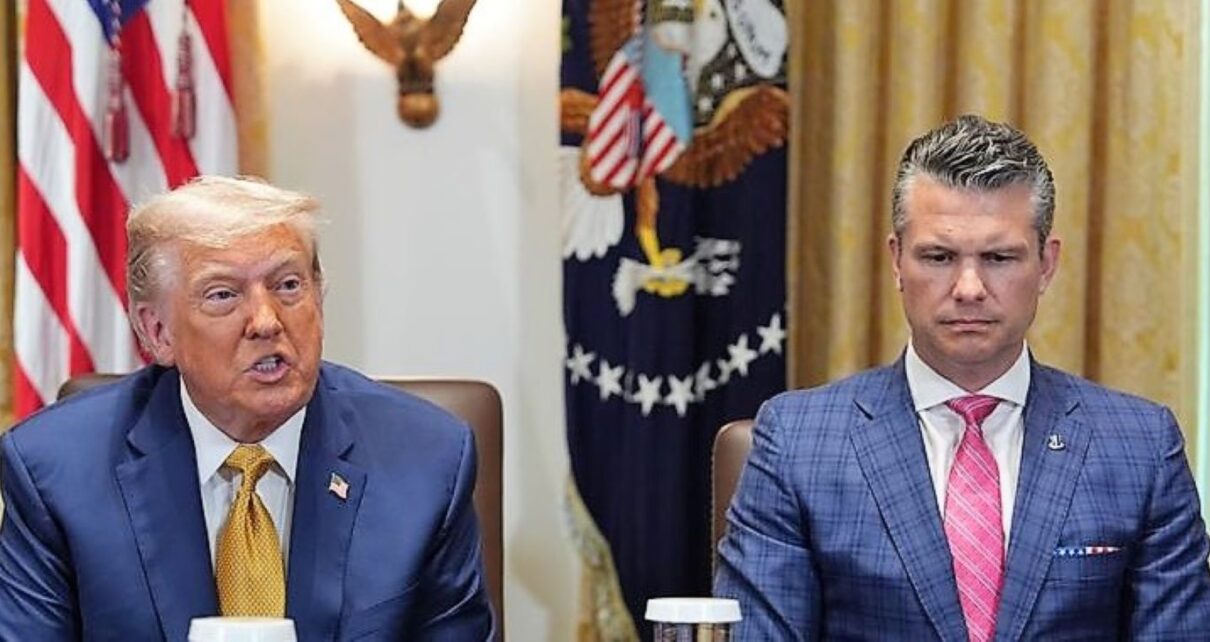
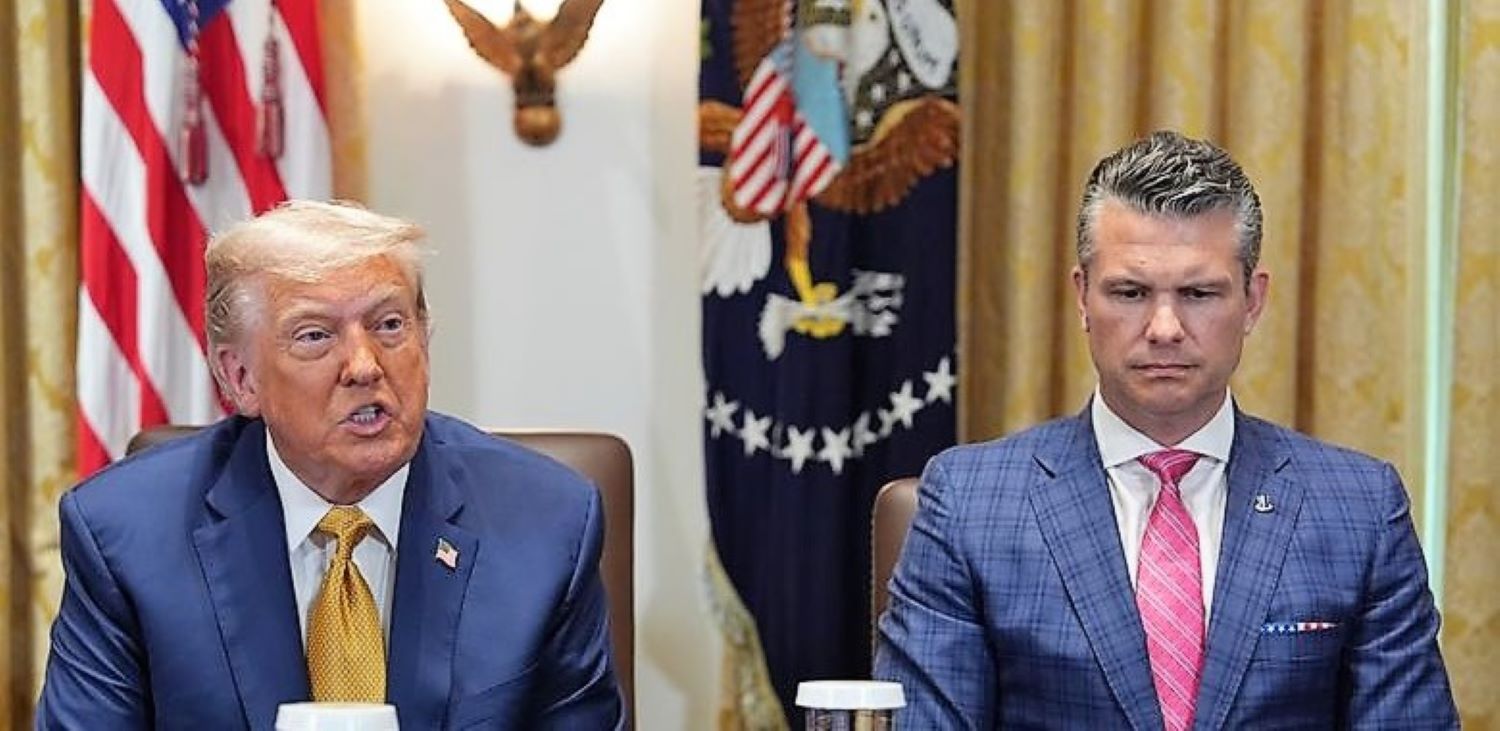
The pause in weapons shipments, described by U.S. officials as a “review,” caught much of Washington off guard. Not only did it surprise the Ukrainian government and international partners, but it also reportedly blindsided the White House. President Donald Trump distanced himself from the decision when questioned by reporters.
“I would know if a decision is made. I will know,” Trump said Wednesday. “In fact, most likely I’d give the order, but I haven’t done that yet.”
When pressed earlier about who ordered the halt, Trump cryptically responded, “I don’t know. Why don’t you tell me?”
Despite the president’s statements, senior Pentagon officials said the pause was carried out under a policy framework presented by Hegseth, and was based on recommendations from Elbridge Colby, the Pentagon’s policy chief and a leading advocate for prioritizing U.S. preparedness for potential conflict with China.
“Secretary Hegseth provided a framework for the President to evaluate military aid shipments and assess existing stockpiles,” a Pentagon spokesperson said. “This effort was coordinated across government.”
Yet multiple sources suggest the decision was not fully cleared with the White House’s National Security Council or the State Department, leading to confusion and concern in diplomatic and military circles alike.
The pause came at a critical moment for Ukraine, which has endured a surge in Russian missile and drone strikes. On Wednesday night, a massive Russian bombardment targeted Kyiv, killing two civilians and injuring 16 others. According to Ukrainian officials, six Russian ballistic missiles penetrated Ukrainian air defenses—an unusually high number, attributed largely to a shortage of U.S.-supplied Patriot missiles.
“Every delay, every indecision, translates into Ukrainian lives lost,” said Andriy Yermak, Chief of Staff to President Zelenskyy. “Our air defenses need constant replenishment if we are to withstand these massive waves of attack.”
Among the most crucial supplies resumed are 155 mm artillery shells and Guided Multiple Launch Rocket Systems (GMLRS)—precision-strike munitions that form the backbone of Ukraine’s long-range capability. The 155 mm shells, used in NATO-standard Howitzer systems, are vital for countering Russian artillery and supporting frontline ground operations.
Each 155 mm round weighs roughly 100 pounds and can strike targets over 20 miles away. Since the beginning of the war in 2022, the U.S. has sent over 3 million rounds of this ammunition to Ukraine, underscoring its strategic importance.
President Trump’s public remarks in recent days have signaled growing personal dissatisfaction with Russian President Vladimir Putin—a notable shift from his earlier cautious rhetoric.
“Putin is not treating human beings right,” Trump told reporters Tuesday during a Cabinet meeting. “It’s killing too many people. So we’re sending some defensive weapons to Ukraine, and I’ve approved that.”
Behind the scenes, sources say Trump was angry with the Pentagon for acting unilaterally on a politically sensitive issue. The decision to pause military shipments occurred as Russian forces escalated their air campaign and pushed for fresh offensives in eastern Ukraine, including near Kharkiv and in the Zaporizhzhia region.
According to three individuals familiar with internal deliberations, Trump was especially upset that he was not informed beforehand. Some believe the President’s frustration stems from broader concerns about appearing weak on defense or failing to support an ally at a critical moment.
“He wants the image of a strong leader, especially going into the 2026 midterms,” said one Republican staffer close to the White House. “A pause in aid—especially without his approval—undermines that.”
The Pentagon has defended the pause as a necessary step to assess and balance U.S. global readiness. With tensions rising in the Indo-Pacific and a growing strategic focus on China, officials have raised concerns that current military aid levels to Ukraine could hinder U.S. preparedness for other potential conflicts.
The Patriot missile, in particular, has emerged as a flashpoint. Each missile costs roughly $4 million and has become increasingly scarce. One official cited the recent Iranian missile attack on the U.S. Al-Udeid Air Base in Qatar, where Patriots played a critical role in defense.
“The question is not about supporting Ukraine or not,” said Elbridge Colby in a recent podcast. “It’s about how to support Ukraine while ensuring that we don’t leave ourselves vulnerable in other parts of the world.”
Colby, an advocate of a “post-primacy” U.S. foreign policy, believes Washington must pivot from global military commitments toward regional balance and competition with peer adversaries.
The temporary pause has rattled NATO allies, who were not informed in advance and feared it signaled a policy shift by Washington. European governments, including Germany and Poland, expressed concern that the U.S. might be stepping back from its leadership role just as Russia ramps up its aggression.
“The unity of the Western alliance is critical,” said a senior EU official speaking on condition of anonymity. “When decisions like this are made unilaterally and without consultation, it undermines trust.”
According to U.S. officials, the resumed shipments:
155 mm artillery rounds
GMLRS guided rockets
Hellfire air-to-ground missiles
Howitzer ammunition
Limited quantities of Patriot interceptors
It remains unclear whether full-scale Patriot deliveries will resume immediately. Pentagon spokesman Sean Parnell said the Department is “working closely with the White House and our allies to ensure aid to Ukraine is balanced against U.S. defense needs.”
“The President and the Secretary will ultimately decide what gets shipped, and when,” Parnell said.
Meanwhile, the Ukrainian military has welcomed the resumption but stressed that consistency is vital.
“We are fighting a war on multiple fronts, with an enemy that does not rest,” said Ukrainian Defense Minister Rustem Umerov. “We understand that every country must consider its own security, but Ukraine is the front line of the free world. We need predictability.”