

By Prof. S.S. Dogra In today’s fast-moving and stressful world, travelers are increasingly searching for experiences that offer peace, comfort, cultural connection and a sense of belonging rather than merely luxurious accommodation. This growing desire has given remarkable popularity to the concept of “Home Stay,” where visitors stay with local families and experience authentic traditions, cuisine, lifestyle and natural surroundings closely. More than simply a place to stay, a home stay represents warmth, hospitality, emotional bonding and a soulful connection with local culture. From the serene Himalayan valleys to picturesque rural destinations across the world, the home stay concept has emerged as a beautiful blend of tourism, community participation and sustainable living.
“Home Stay V/s Hotel
A home stay is a type of accommodation where travelers stay in a local person’s or family’s home instead of a hotel. It offers guests a more personal, cultural and homely experience during their journey. Unlike commercial hotels, a home stay generally provides comfortable rooms within a family house or cottage, home-cooked local food, interaction with local traditions, peaceful surroundings and personalized hospitality. For many travelers, a home stay becomes a place of emotional comfort, cultural discovery and memorable human bonding.
Unlike hotels, where the atmosphere is generally formal and commercial, a home stay offers tourists a warm, family-like environment that reflects the true culture and lifestyle of a destination. While hotels mainly provide professional services, privacy, and modern amenities, home stays create opportunities for travelers to interact with local families, enjoy traditional homemade food, learn regional customs, and discover hidden experiences beyond conventional tourism. This emotional and cultural connection often makes travel more meaningful and memorable.
“Popularity in India”
Home stays are especially popular in scenic destinations such as the Himalayas, villages, forests, beaches and cultural towns because they allow visitors to experience the real lifestyle, cuisine, customs and traditions of a region. In India, home stays have gained immense popularity in Himalayan states like Uttarakhand, Himachal Pradesh, and Kerala, where tourists seek peace, simplicity and authentic local experiences amidst nature.
“Global Significance”
Globally, the concept of organized home stay tourism first evolved in countries like Japan and parts of Europe, where travelers stayed with local families to experience their culture and traditions closely. Later, Malaysia systematically promoted the homestay tourism model during the 1970s and 1980s through government-supported community tourism programs, helping the concept gain international recognition. Today, home stays form an important part of tourism in countries such as India, Nepal, Thailand, Japan and Malaysia.
The increasing popularity of home stays also reflects a major shift in modern tourism trends. Today’s travelers are not merely looking for luxury; they seek authenticity, peace, cultural richness, and sustainable living experiences. Home stays allow visitors to enjoy local hospitality, village life, organic farming practices, natural beauty, and personalized care at affordable costs. At the same time, they directly support local families and small communities, thereby strengthening community-based and sustainable tourism.
According to Kanda Village Valley Founder and government-approved guide Madan Bohra, people who travel to interior villages are generally nature lovers who wish to experience authentic village life, organic farming and the natural process through which crops, fruits and vegetables are grown. He believes that the people of Uttarakhand are simple, honest, humble, and deeply connected with nature despite limited resources and opportunities.
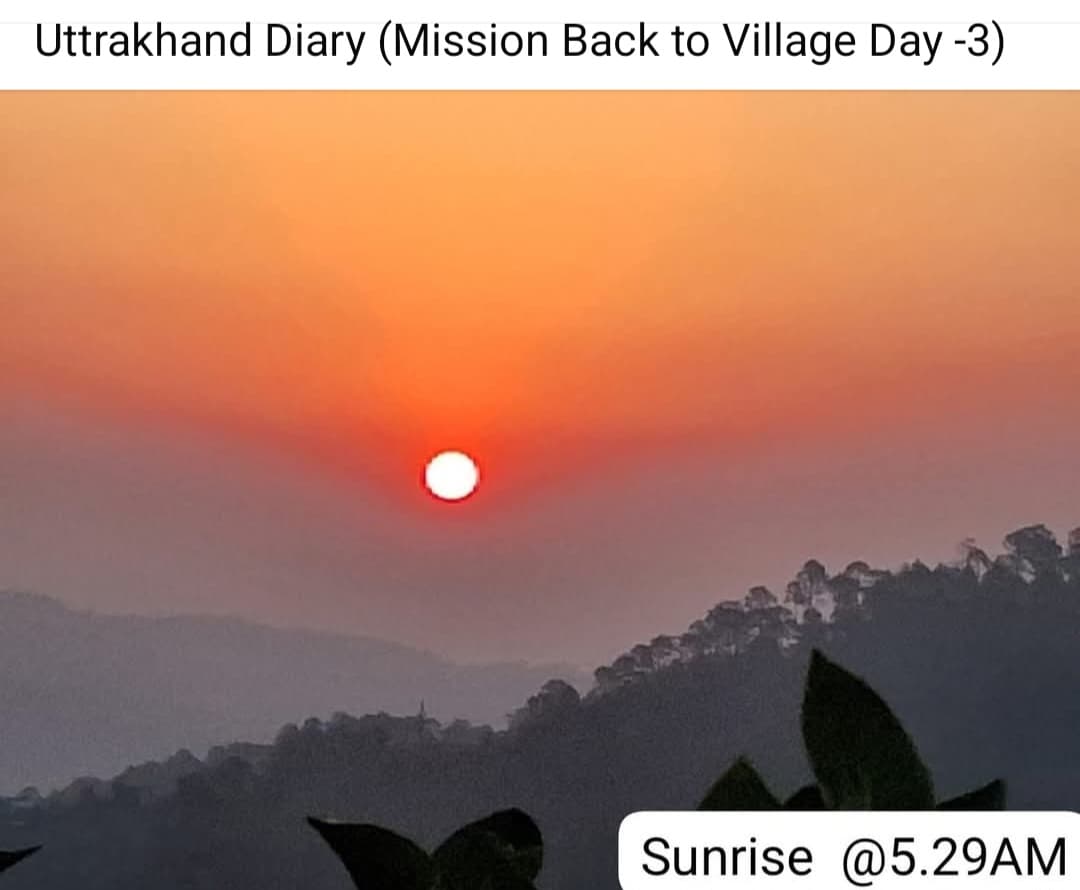
Bohra further explains that Uttarakhand, popularly known as “Devbhumi” or the “Abode of Gods,” holds immense spiritual significance for visitors from across India and around the world. The spiritual atmosphere of the Himalayas, combined with natural beauty and cultural simplicity, creates a deeply peaceful and transformative experience for tourists.
“For Rural Development”
The home stay concept also plays a vital role in strengthening the rural economy and empowering village communities. It provides local families with an opportunity to earn a respectable livelihood while living in their own villages, without migrating to cities in search of employment. Through home stays, villagers can generate income by offering accommodation, local food, cultural experiences, organic farm visits, handicrafts and guided tours to tourists. This financial support not only improves their standard of living but also encourages the preservation of traditional culture, local architecture and rural heritage. In many Himalayan regions like Uttarakhand, the home stay movement has emerged as a powerful source of self-employment, dignity and sustainable development for village families.
“Visitor’s & Host bonding”
However, the success of the home stay concept also depends upon responsible tourism. Tourists staying in a home stay must always maintain dignity, respect, and mutual understanding with the host family. Since a home stay is not merely commercial accommodation but also a cultural and emotional exchange, guests should respect local traditions, family customs, privacy and discipline. Cleanliness, polite behavior, responsible communication and sensitivity toward local lifestyles help create meaningful experiences for both visitors and hosts.
Home stays are not just about tourism; they represent human connection, cultural harmony and sustainable living. In a rapidly modernizing world, they remind us that true travel is not only about exploring new destinations but also about understanding people, traditions, emotions and the beauty of simple living.
“Responsible tourists not only explore destinations but also preserve their beauty, culture and warmth for future generations.” By Prof. S.S. Dogra.
(Sunday, 17th May, 2026, Kanda Village Valley, Champawat, Uttrakhand)