
Kathmandu, 11 September.
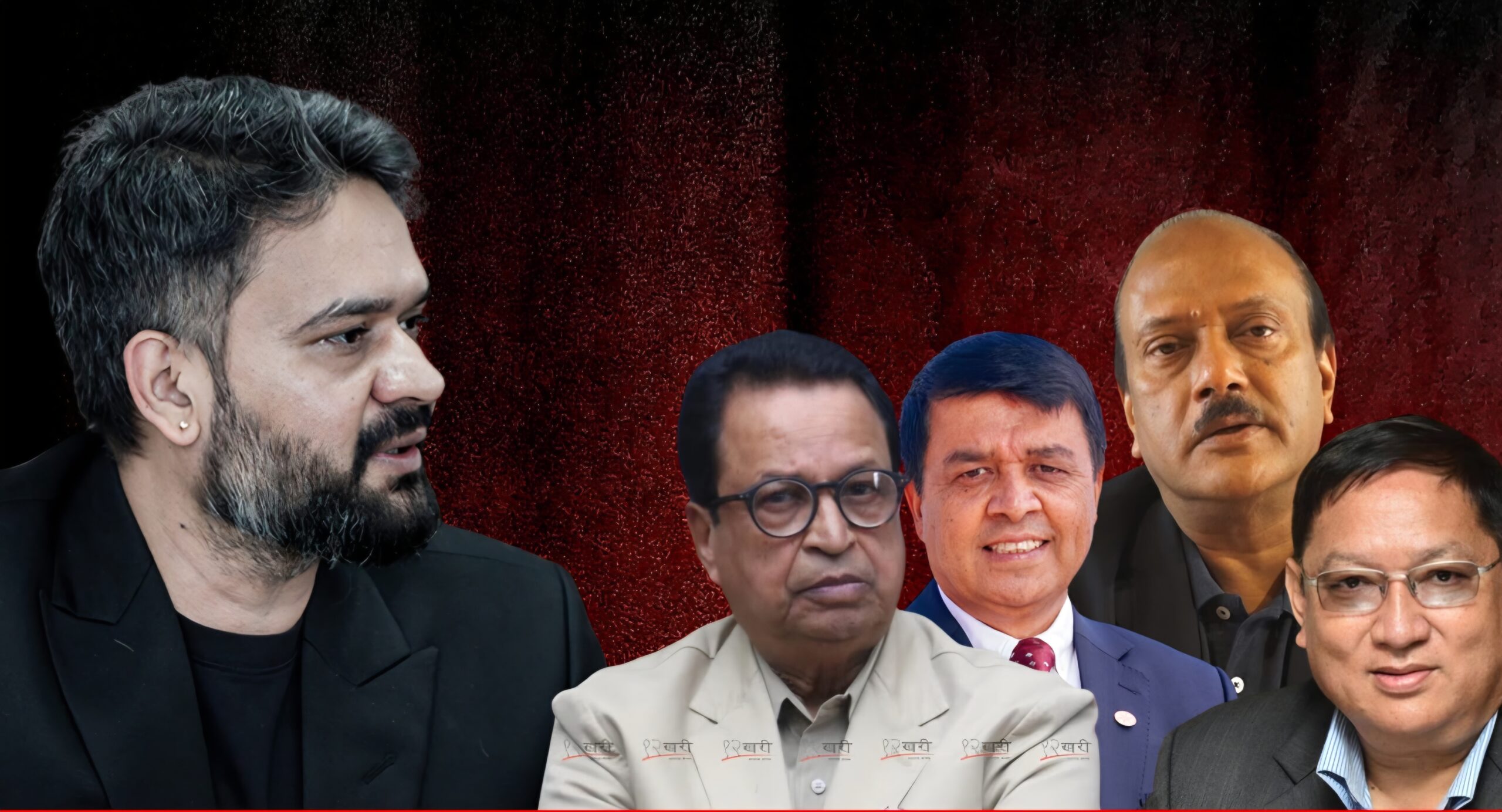
Following a meeting with Prime Minister Balendra Shah, entrepreneur Binod Chaudhary stated that the government and the private sector can now move forward in harmony for the country’s economic development. Sharing his insights via Facebook, he outlined the key takeaways from the two-hour-long, cordial discussion.
-
Stable and Transparent Government: The private sector expects a consistent administration that eliminates corruption and middlemen, strictly addresses financial crimes, and fosters an encouraging environment for emerging entrepreneurs.
-
Administrative Bottlenecks: Despite the government’s positive intent, entrepreneurs remain hesitant due to ground-level delays and outdated bureaucratic habits, particularly concerning forestry, mining, and hydropower projects (including PPAs).
-
Liquidity and Investment Gaps: The country currently has high liquidity, lowered interest rates, and over NPR 5 trillion sitting idle in banks and government bodies. To convert this into active investment, Chaudhary suggested establishing a rapid ‘decision-making mechanism’ directly within the Prime Minister’s Office.
-
Infrastructure and Tourism: Discussions emphasized mega-projects like the East-West Railway, a fertilizer (DAP) plant, and developing destinations like Rara, Dolpa, and Khaptad. Strategic goals include attracting 5 million tourists through enhanced air connectivity and scaling IT sector exports from 2 billion to 10 billion.
-
Education and Medical Hub: To stop the annual capital flight of NPR 170 billion spent on abroad studies, a proposal was made to invite globally renowned universities to establish an ‘Education City’ in Nepal. Policies to transform Nepal into a South Asian medical and nursing hub were also prioritized.
-
Public-Private Partnership (PPP) Model: Because Nepal’s banking system is currently unable to independently finance long-term projects (spanning over 10 years), the government must co-invest and actively integrate the private sector via the PPP model.
No disagreements arose during the meeting, with the Prime Minister demonstrating a deep, genuine concern for the economy. The faster this consensus is implemented on the ground, the quicker Nepal’s economy and investor confidence will rebound.