
Murli Manohar Tiwari (sipu)
11 September 2026, Dublin
Ireland’s Government has moved forward with plans for one of the biggest changes to the country’s citizenship system in decades, prompting protests, petitions and concern among foreign workers who have made Ireland their long-term home.
On September 9, the Irish Government approved priority drafting of legislation proposed by Jim O’Callaghan, Ireland’s Minister for Justice, Home Affairs and Migration. The proposal would increase the normal residence period required to apply for citizenship through naturalisation from five years to eight years.
The planned reforms would also require applicants to demonstrate proficiency in English, Irish or Irish Sign Language, pass a test covering Irish civics, society and politics, and meet economic self-sufficiency requirements.
Minister O’Callaghan has said that Irish citizenship is an “earned privilege” and that the changes would bring Ireland closer to practices in other European countries. He has also said that about 25,000 people received Irish citizenship last year and that he wants to restrain the growth in that number.
However, the proposals have generated considerable debate.
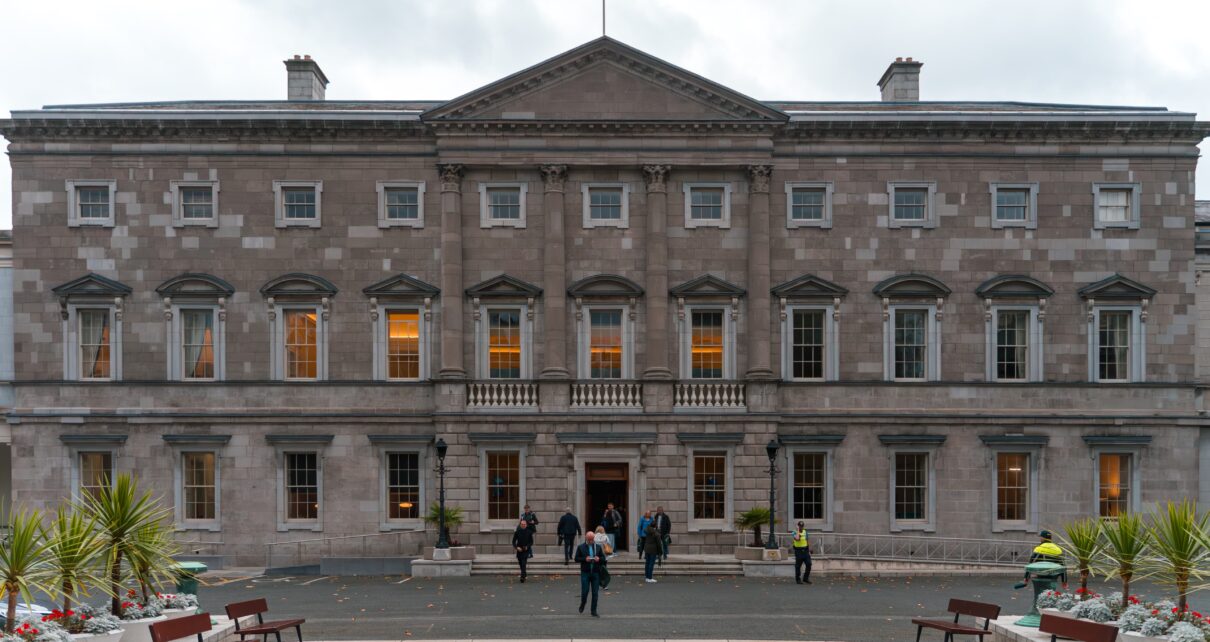
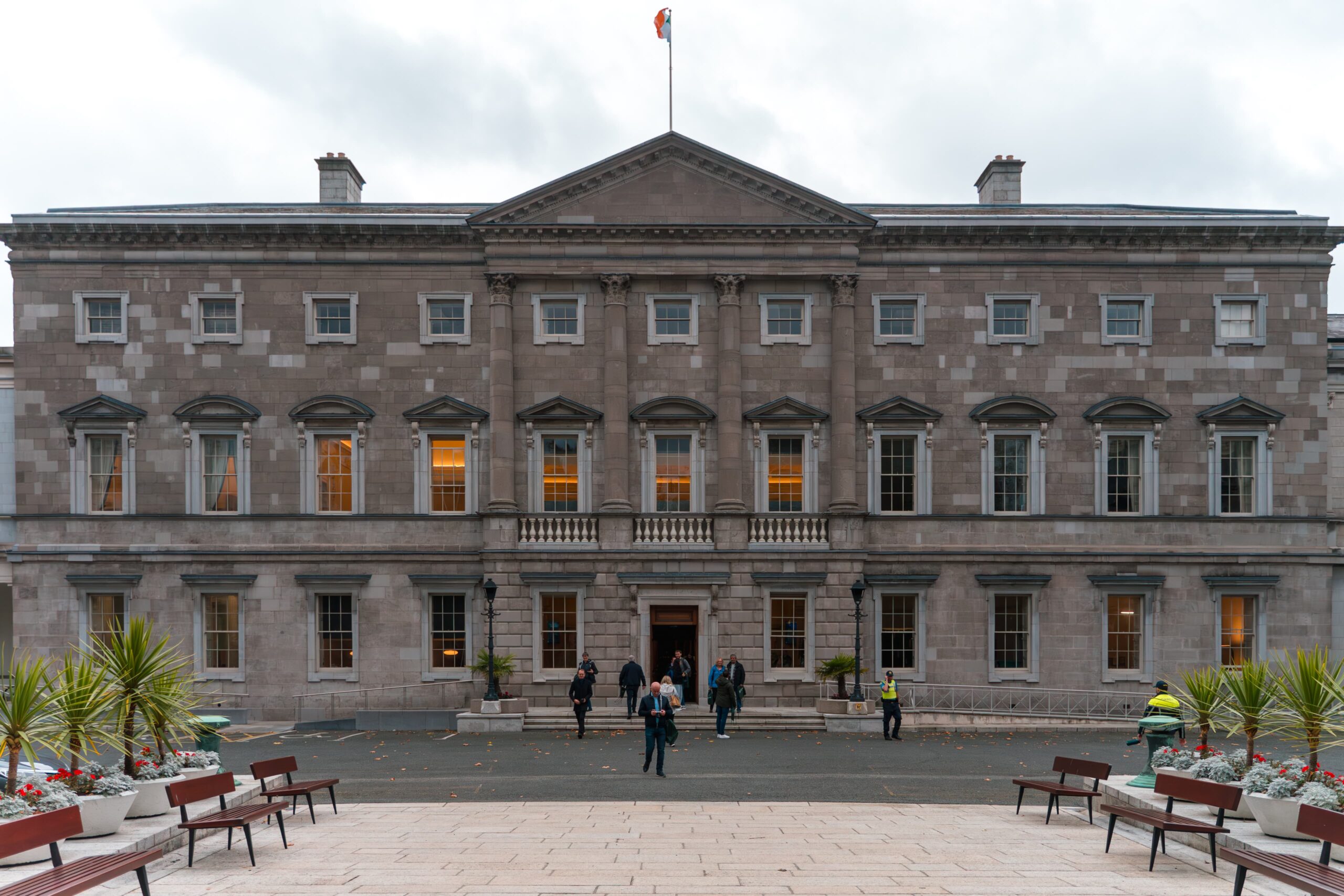
The Irish Times reported that foreign residents protested outside Leinster House, the seat of Ireland’s parliament, on September 9. Some said they had organised their careers and family lives around the existing five-year pathway and were shocked that the qualifying period could change while they were already living legally in Ireland.
Opposition politicians have also questioned the rationale. Alan Kelly, justice spokesperson for Ireland’s Labour Party, asked what problem an eight-year requirement was intended to solve and warned that it could damage Ireland’s ability to attract workers in critical sectors.
The Social Democrats, an opposition political party in Ireland, have also challenged the wider political narrative surrounding immigration. Critics argue that people who entered Ireland legally to work, study and contribute to the economy should not become scapegoats for wider problems involving housing shortages, rising living costs, pressure on infrastructure or failures in the immigration and asylum system.
There are economic concerns too. Ireland relies heavily on international recruitment in areas such as healthcare, technology, engineering and other highly skilled professions. Critics fear that extending the citizenship pathway could make countries offering faster long-term security more attractive to internationally mobile professionals.
Foreign residents are also questioning how the proposed language and civics tests would operate in practice. Ireland already faces capacity pressures in some public services. Critics argue that unless sufficient testing centres and appointments are provided, a new citizenship examination system could itself develop lengthy waiting lists. Ireland’s experience with long waiting times for driving tests is being cited as an example of what can happen when demand exceeds administrative capacity.
Language-testing specialists have raised other questions. Analysis published by Irish national broadcaster RTÉ noted international research showing that citizenship language tests can encourage integration, but also highlighted concerns about cost, accessibility, disability, education level and whether such tests accurately measure integration.
Petitions have now been launched by foreign residents and campaigners opposing the increase from five to eight years, with some specifically demanding transitional or “grandfathering” protection for people who were already legally resident in Ireland before the rules change.
A central question therefore remains unanswered: How would making an engineer, doctor or other legal migrant wait three additional years for citizenship address irregular immigration or border-security problems? Supporters of the reform argue that citizenship should demonstrate a durable connection with Ireland; opponents say immigration enforcement and naturalisation are separate issues that should not be conflated.
Importantly, the proposals have not yet become law. The Government has authorised priority drafting, but the legislation must still pass through Ireland’s parliament. For thousands of foreign residents already approaching five years in Ireland, the most important question will be whether the final legislation protects those who entered and established their lives under the existing rules.
Photo Credit :- Leinster House, Dublin, seat of the Irish Parliament. Photo: David Kernan/Wikimedia Commons, licensed under CC BY 4.0