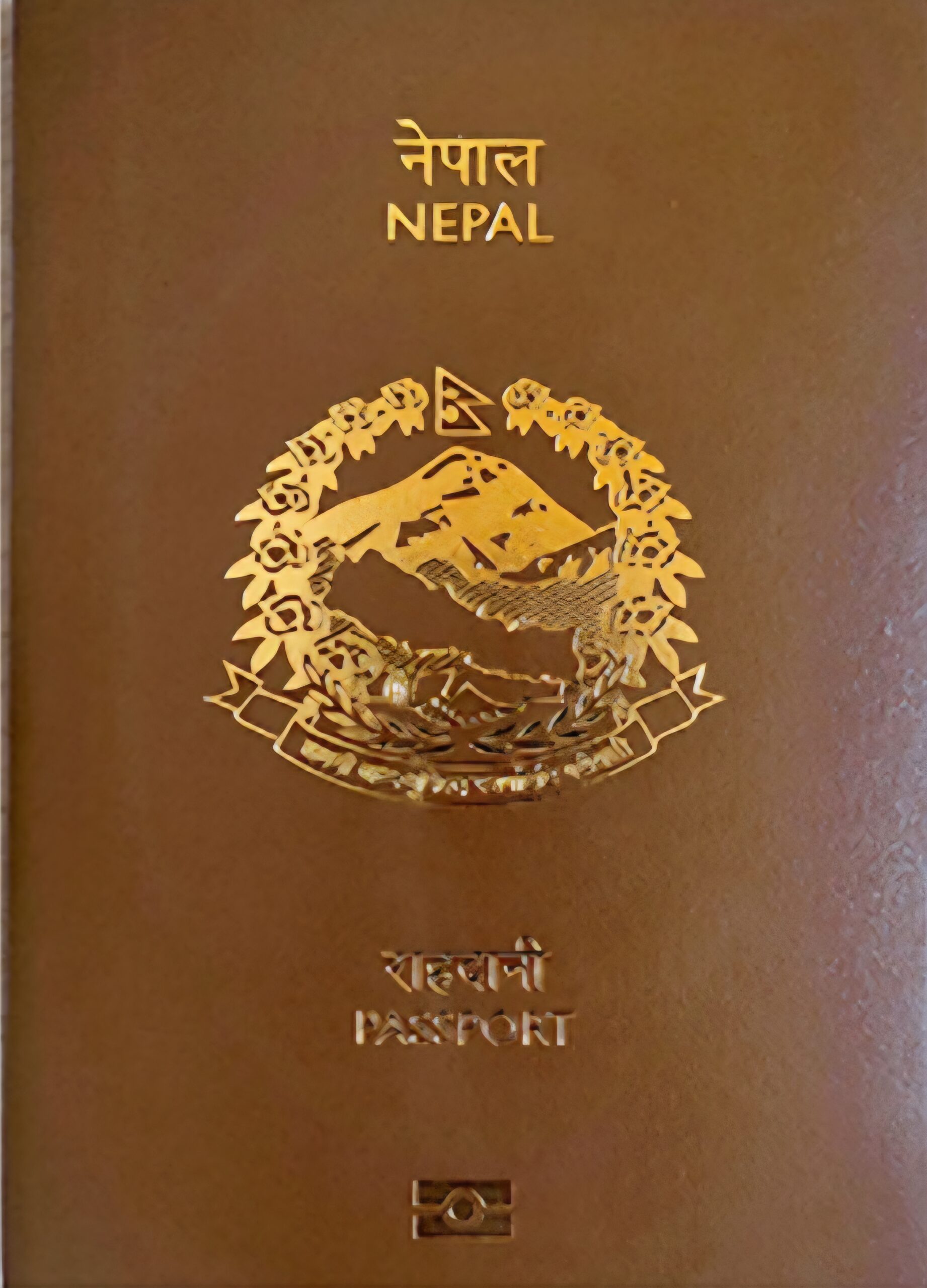
Kathmandu, 26 July.A major scandal has rocked Nepal’s public procurement system, exposing deep-rooted collusion in the awarding of an NPR 8 billion electronic passport printing contract. The Department of Passports has been accused of violating technical standards and procurement regulations to award the tender to two German companies, allegedly influenced by Nepal’s ruling political parties — Nepali Congress and CPN-UML.
🔍 Tender Split Between Political Allies
To accommodate political power-sharing, the Department of Passports split the tender into two packages:
Package 1 (NPR 1.55 billion): Awarded to Mühlbauer ID Services, represented in Nepal by Manindra Kumar Malla, a businessman reportedly close to the UML party.
Package 2 (NPR 6.11 billion): Awarded to Veridos, represented by Siddhartha Thapa, son of Congress advisor Sunil Thapa and allegedly close to Foreign Minister Arzu Rana Deuba.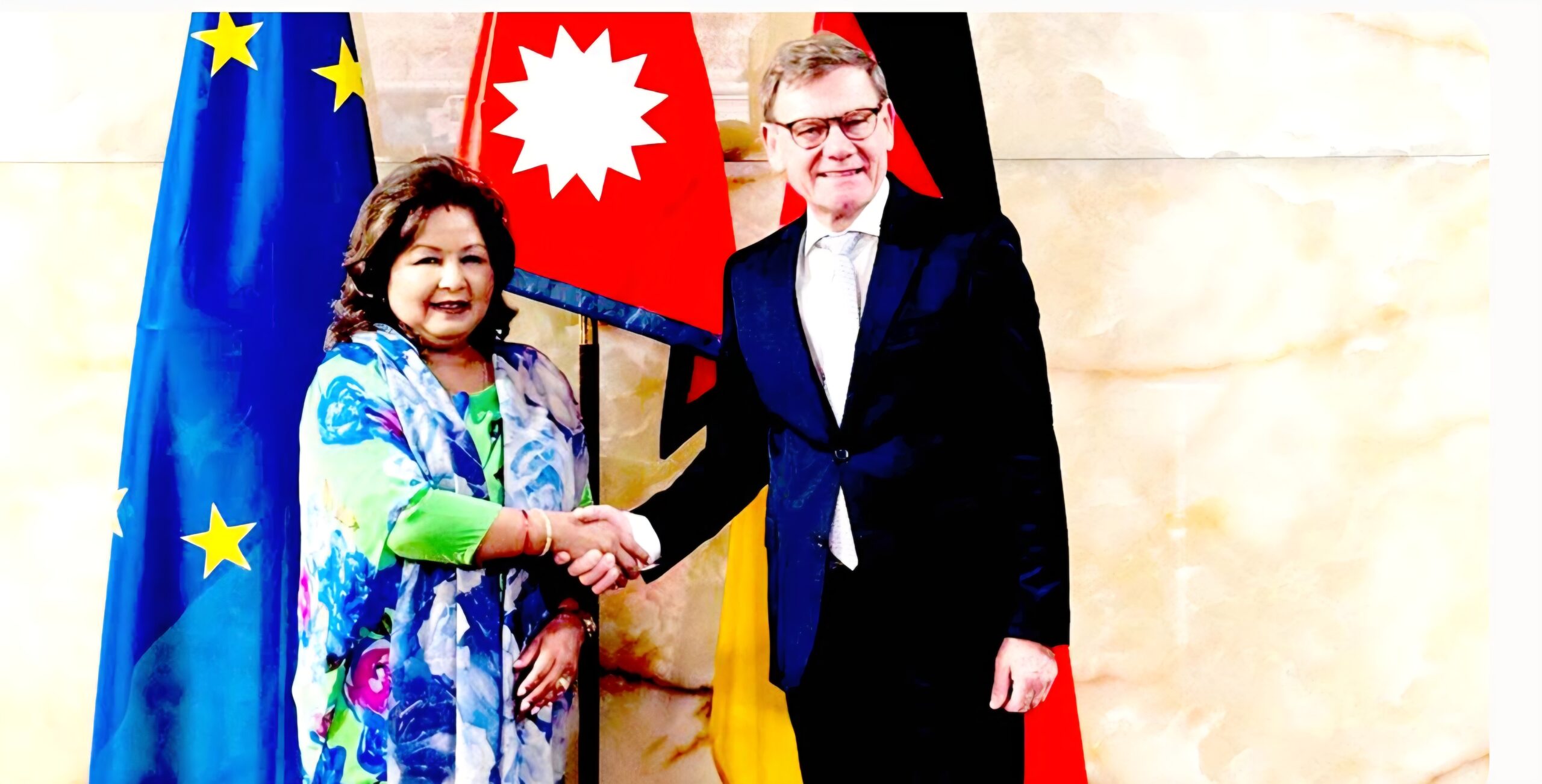
Though the contract is worth NPR 6.11 billion, due to payment in euros, the actual cost may exceed NPR 8 billion, as the euro has appreciated by NPR 17 since the contract was signed.
Technical Manipulations Exposed
❗ Printer Requirement Breached
The bidding document mandated an “N+1” printer system, meaning two operational printers and one backup.
Despite this, Veridos proposed only two printers, which was accepted.
Later, Veridos verbally committed to providing a third printer for free — but this was not included in their financial proposal, raising legal concerns.
❗ Server Downgrade
Although “Blade Servers” were mandatory as per the technical specification, both German companies proposed cheaper, outdated “Rack Servers”, which were accepted.
Experts warn this could slow down passport processing, as rack servers have lower switching capacity.
—
Foreign Exchange Manipulation
Financial bids were opened on May 27, 2025, but evaluated using the foreign exchange rate of February 21, favoring the euro-based German bids.
The competing French firm IDEMIA, which quoted in USD, was disadvantaged despite offering a bid NPR 289.5 million cheaper.
Department’s Defense and Internal Conflict
The Passport Department claims the tender was awarded in full compliance with legal procedures and procurement rules. However, internal documents show that the technical subcommittee flagged 66 discrepancies in the German bids, with six out of 12 members declaring Veridos technically unqualified.
Despite this, the department’s leadership formed a new committee under Director Sunil Kumar KC, which controversially declared the German bids as compliant.
Political Influence and Ministerial Interest
Siddhartha Thapa, who secured the NPR 6.11 billion deal, is politically connected.
During the peak of the tender controversy, Foreign Minister Arzu Rana Deuba was in Germany, reportedly lobbying for the deal.
According to insiders, Minister Deuba had shown special interest in the passport tender from the beginning.
Attempts to contact her for comment were unsuccessful.
Investigations Begin
The long-time passport contractor IDEMIA, which has printed Nepal’s passports for 15 years, has filed complaints with multiple authorities.
The Commission for the Investigation of Abuse of Authority (CIAA) has now initiated a preliminary investigation into the matter.
Future Risk
The split tender may lead to coordination issues, as IDEMIA currently holds the passport data, while printing will now be handled by Veridos.
This raises questions over data security and system integration, potentially delaying passport issuance.
The passport tender scandal underscores Nepal’s chronic issues with political collusion, procurement manipulation, and transparency. What should have been a straightforward public service process has instead become a web of favoritism, raising serious questions about governance and accountability.By: Nawaraj Mainali (Translated)
Published in: Naya Patrika