S.Jaishankar’s remarkable strategic policy success with USA runs parallel to his corresponding policy failures with China -both strategic as well as tactical. Would India’s federal contradiction pertaining to Teesta river dispute have been allowed to impact its external relationship with Bangladesh?
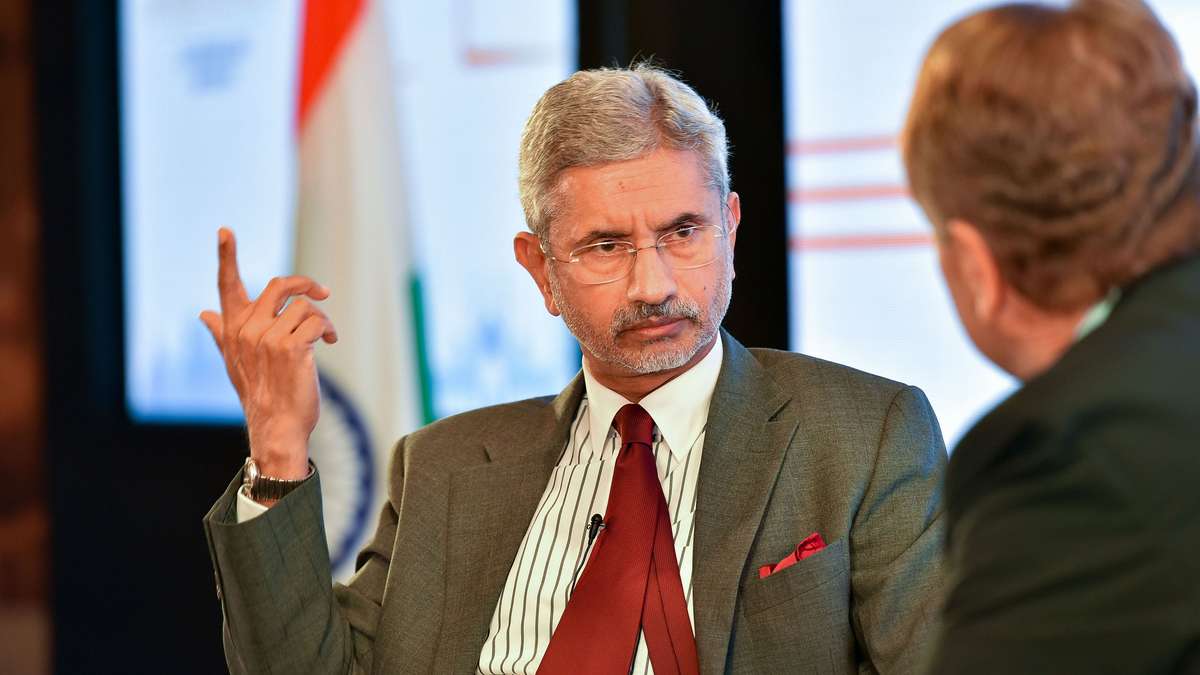
Vivekanand Jha Ranchi: On the occasion of oath taking ceremony of the Union Council of Ministers, when S.Jaishankar was the fourth ministers to take the oath, many political pundits were taken in by surprise. However, it came to me on expected lines: Given S.Jaishankar’s diplomatic skills, especially his diplomatic tenures in USA and China, more than anyone, i had reposed a lot of trust in his diplomatic manoeuvrings. I sincerely believed that, notwithstanding Modi’s Neighbourhood First Policy meeting the dead end till 2019-even in this, Jayshankar cannot escape the blame, for he was the foreign secretary and, therefore, had a great day in shpaing up the foreign policy–Prime Minister would certainly have placed premium on his expertise, which became obvious when the foreign secretary was elevated as the foreign minister.
Jaishankar, despite having piloted the Indo-US policy to ensure India growing closer to USA, even played a subtle role in the defeat of Trump–larger Indian community, taking offence at Donald Trump’s threatening New Delhi on sending drug, in the wake of devastating impacts of Corona Pandemic-acting the behest of the South Block voted enmasse for Joe Biden. Significantly, while delicately balancing Indian interest in USA, Jaishankar drastically failed to advance India’s interest in China. Incidentally, Jayshankar, notwithstanding his tenure as an ambassador in China, he had completely failed to read Chinese mind. India’s complete isolation in its backyard, cannot be the significant recompense for its ‘Further East’ Policy. Worse still, irrespective of a robust bilateral relationship between India and USA, Jaishankar should have noted, which he, unequivocally though, should be expected of, in the wake of an unfolding scenario when India, unconventionally though, is surrounded by the hostile neighbours from all sides. Regrettably, Nepal, with which India shares a blood relationship –Madhesh, a major chunk of population in Nepal, has a common ancestry from India–ironically, stands as a hostile neighbour, so comfortably perched in China’s lap. Moreover, Bangladesh, another close neighbour, in the immediate vicinity at the eastern border, appears distastefully resentful to India’s insensitivity towards its water crisis. Especially when the government of India-both Manmohan Singh, and later, Modi–Showing an inclination towards settling the Teesta river redistribution of water to Bangladesh, Mamata’s putting her foot down, unsettled an otherwise a friendly recalibrated relationship between India and Bangladesh. No wonder the current entry of China in Bangladesh towards stabilising its water crisis, is another instance of Bangladesh getting closer to China.
Significantly, almost all of India’s neighbours, one after another, has been falling like ninepins in the lap of China. Chanakya’s doctrine of Raja Mandala, where your enemies enemies are your friends, which adequately reflects in Modi government’s ‘Look East’ Policy–even though it is the actual handiwork of Narsimaha Rao – ‘
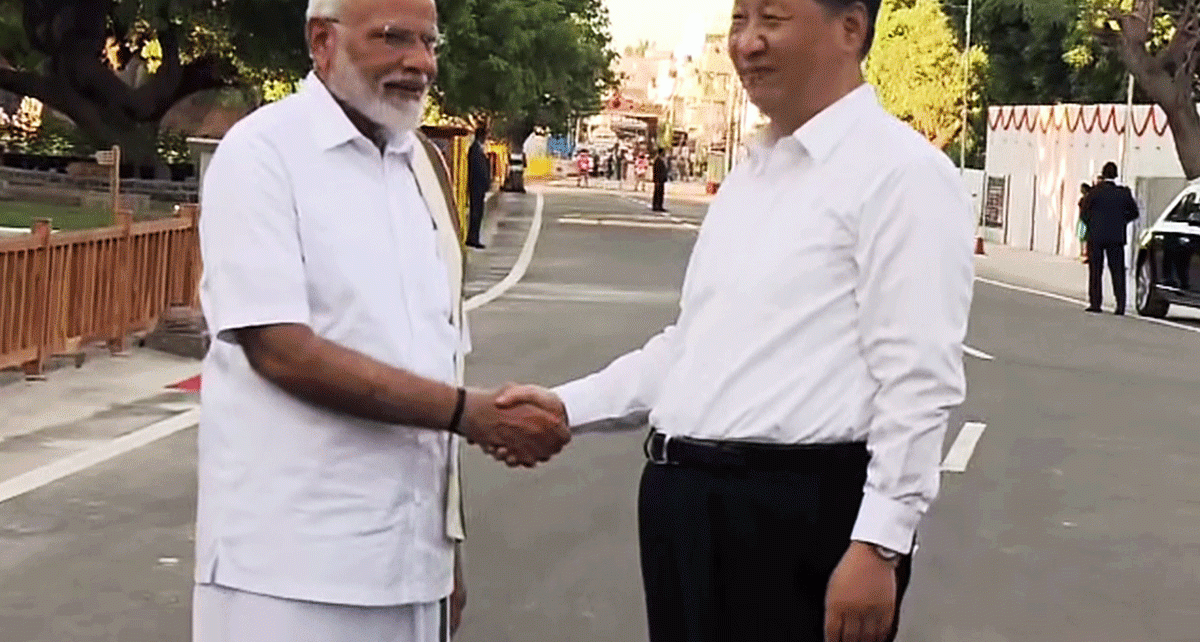
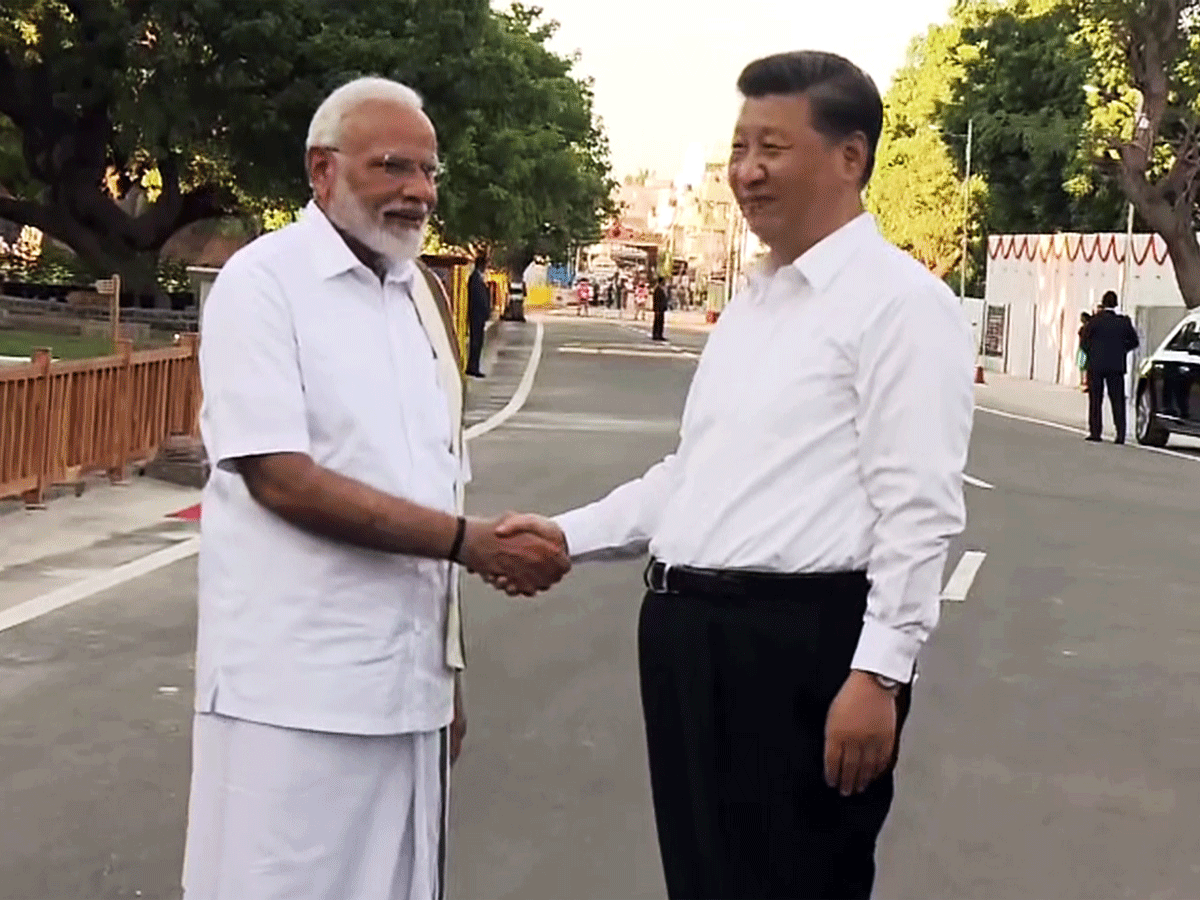
‘Further Look East’ Policy, which Modi government has craftily shaped up, wherein building up relationship with Taiwan, Magnolia etc, was given a priority with which China is not positively disposed, appears chasing a wild goose. For, no small or big neighbour of China, is prepared to lock horns with it, lest it would incur Chinese’ offence. Hence in this backdrop, when the standoff at the border continues for so many months together, especially in the wake of Galwan Valley massacre, when the solution no longer appears at sight, and Chinese’ Salami slicing’ technique, which has been surreptitiously operational, India’s strategic interest appears very much at stake. Therefore, S.Jaishankar’s failure to cope with Chinese’ evolving strategies vis a vis India, has been explicit to one and all. Especially in the context of Jayshankar’s facilitating several high level summits between Modi and Jinping, including that of Wuhan, yet India, eventually drawing blank in reading the mind of Chinese, signals the strategic failure of Jayshankar. Paradoxically, while Jaishankar had remarkably succeeded in formulating a strategic partnership between India and USA, almost in corresponding measure, he has drastically failed putting in place a workable partnership with the shrewd China.
It is here Jayshankar will have to put his Achilles hill aside to read the unpredictable minds of Chinese and consequently put a pro-active strategic policy in place. India, thus far, has been unable to match the Chinese strategic and tactical postures and consequently India has to evolve on this front. Jaishankar should ensure that he measures up to Modi’s expectations in him. Also, it is a matter of deep policy concern that, Modi’s alacrity in resolving the border dispute with Bangladesh, was not matched by the corresponding concern for Bangladesh’ concerns for an equitable redistribution of waters from Teesta river. No wonder in the federal dispute brought about by the chief minister of West Bengal Mamata Banerjee, not to allow Bangladesh to share the waters of Teesta, the Union government, in its own laxity, kowtowing to the wish of the chief minister, compromised with its thriving relationship with Bangladesh. In the past Manmohan Singh too had buckled, and in the recent years Narendra Modi too had chickened out before Didi. No wonder in Bangladesh’ recent drift towards China, the blame should finally be apportioned to the South Block for its own listlessness and lack of resolve to drive out a pro-active foreign policy. Jaishankar too cannot escape the blame for the disruption in the continued convergence of India’s strategic interest with that of Bangladesh.
Vivekanand Jha is an author of Yes, I am Bihari and The Living Legends of Mithila. He is an author and a Public intellectual.
.