Kathmandu, 15 April : China has expressed fresh concerns over activities related to Tibet and Taiwan in Nepal, urging the government in Kathmandu to ensure that Nepali territory is not used against Chinese interests.
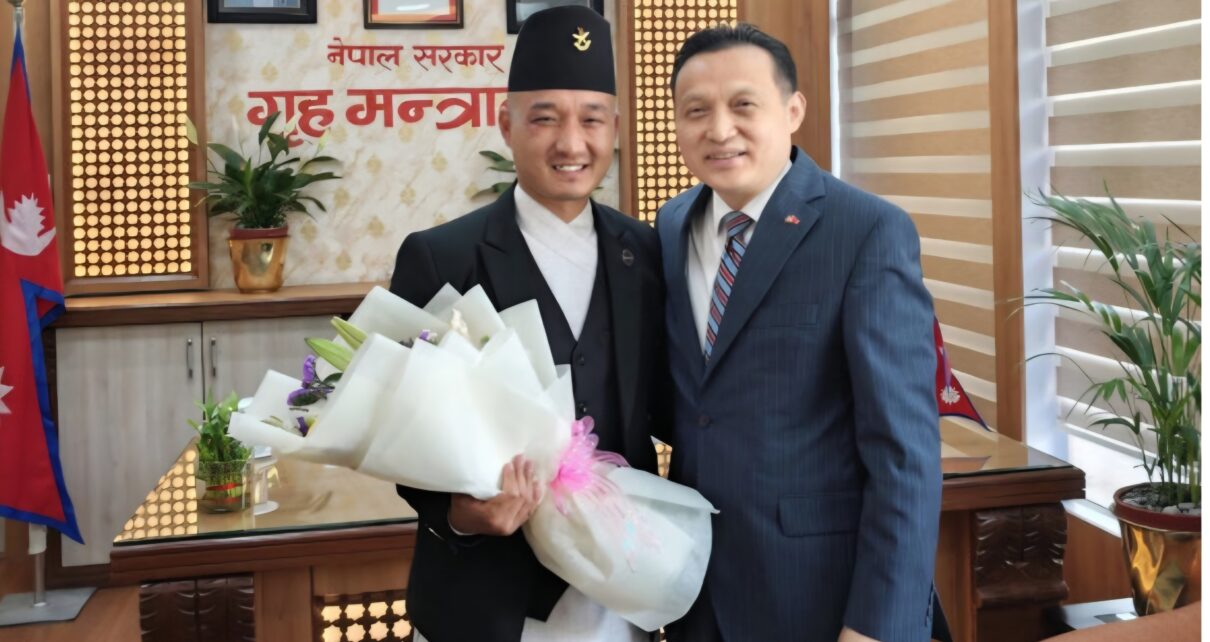
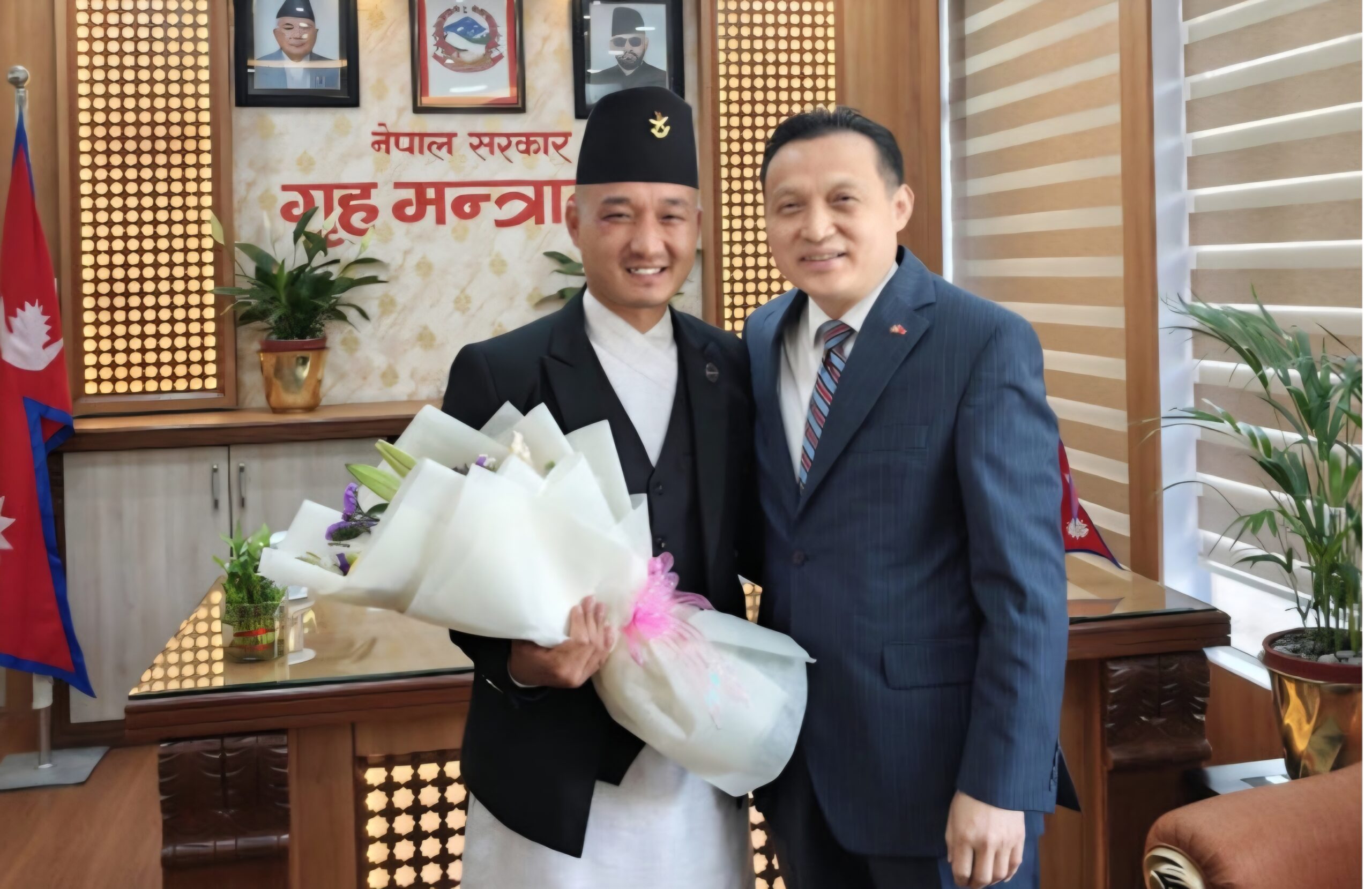
During an “informal but frank” meeting on Monday, Chinese Ambassador to Nepal held talks with Nepal’s Home Minister and raised several issues concerning Tibetan refugees and Taiwan-related activities in the country, according to officials familiar with the meeting.
Sources said the Chinese envoy drew the minister’s attention to reports about activities linked to Tibet and Taiwan in Nepal and asked the government to remain vigilant against what China describes as “separatist” activities by Tibetan groups.
Taiwan Flag Incident Raised
The ambassador also referred to an incident last month in Kathmandu where Taiwan’s flag was briefly displayed during a cultural event.
The event — the 13th International Folk Festival organized by the Everest Nepal Cultural Group on March 28 — was attended by representatives from 11 countries, including Taiwan, Germany, South Africa and Estonia. Taiwan’s flag was reportedly displayed for a short period before being removed following objections.
China considers Taiwan part of its territory and strongly opposes any display of Taiwanese national symbols in international events.
Concern Over Tibetan Administration Ceremony
One of Beijing’s key concerns discussed during the meeting was the upcoming oath-taking ceremony of , the head (Sikyong) of the Central Tibetan Administration, scheduled for May 27 in Dharamshala, India.
According to an official present at the meeting, the Chinese ambassador cautioned that Nepal could receive an invitation to the ceremony and suggested that no official representation from the Nepali government should attend the event.
Nepal Reaffirms ‘One China Policy’
In response, Home Minister reassured the Chinese side that Nepal remains firmly committed to the “One China Policy.” He reiterated that Nepal would not allow its territory to be used for activities directed against China.
“Nepal is committed to safeguarding its sovereignty and territorial integrity and will not become a pawn of any foreign power,” Gurung reportedly told the ambassador.
Broader Diplomatic Context
Observers say the discussion reflects growing Chinese sensitivity toward political developments in Nepal following last year’s Gen-Z protest movement and the emergence of new political actors in the country.
Concerns in Beijing reportedly intensified after congratulatory messages were sent to Nepal’s Prime Minister by Tibetan spiritual leader and by Sikyong following the formation of the new government.
Former Nepali ambassador to China said Beijing closely monitors developments related to Tibetan leaders and activities in Kathmandu and has become increasingly sensitive to any perceived anti-China signals.
Balancing Diplomacy
The development highlights the delicate diplomatic balance Nepal must maintain between safeguarding its independent foreign policy and addressing the security concerns of its powerful northern neighbour. As regional geopolitics evolve, Kathmandu is likely to face continued scrutiny over issues linked to Tibet and Taiwan.