


By Himalini Desk, April 12, 2026.
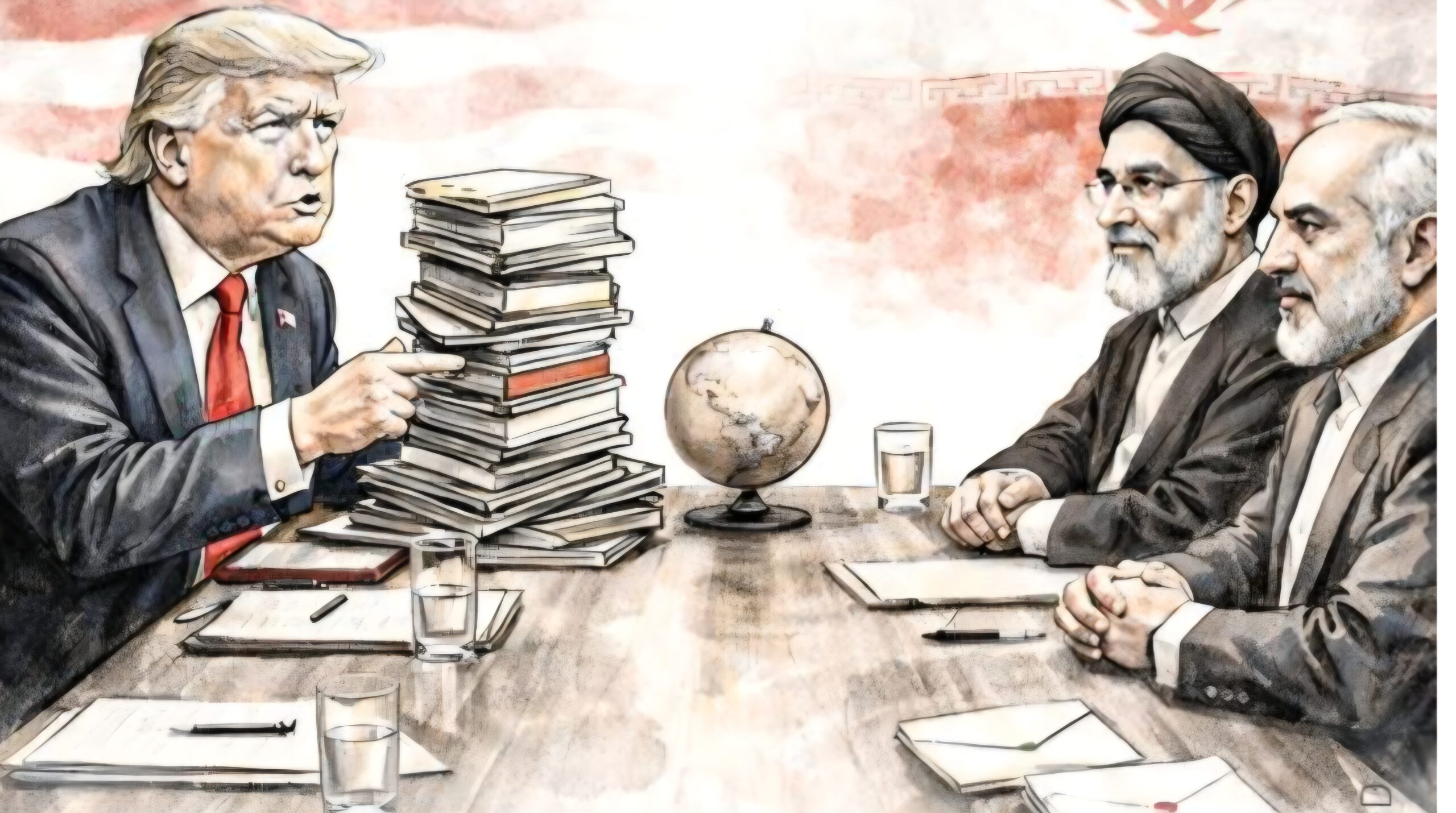
Islamabad/Washington: Hopes for a permanent ceasefire between the United States and Iran suffered a major setback on Sunday. A 21-hour-long direct negotiation mediated in Pakistan’s capital, Islamabad, ended without any agreement. The US delegation, led by Vice President JD Vance, and the Iranian team, headed by Parliament Speaker Bagher Ghalibaf, have both returned to their respective countries.
While a two-week ceasefire remains technically in place, the failure of these high-stakes talks has raised critical questions: Why did the negotiations collapse, and what are President Donald Trump’s next options?
The Three Main Issues That Led to Failure
1. Iran’s Nuclear Program (The Biggest Stumbling Block)
· US Demand: Permanently end uranium enrichment, dismantle all nuclear weapon-making capabilities, and destroy all fissile material.
· Iran’s Position: Refused to permanently give up its right to enrich uranium on its own soil, citing the Nuclear Non-Proliferation Treaty (NPT). Tehran offered only a temporary, multi-year suspension of some operations, not a complete shutdown.
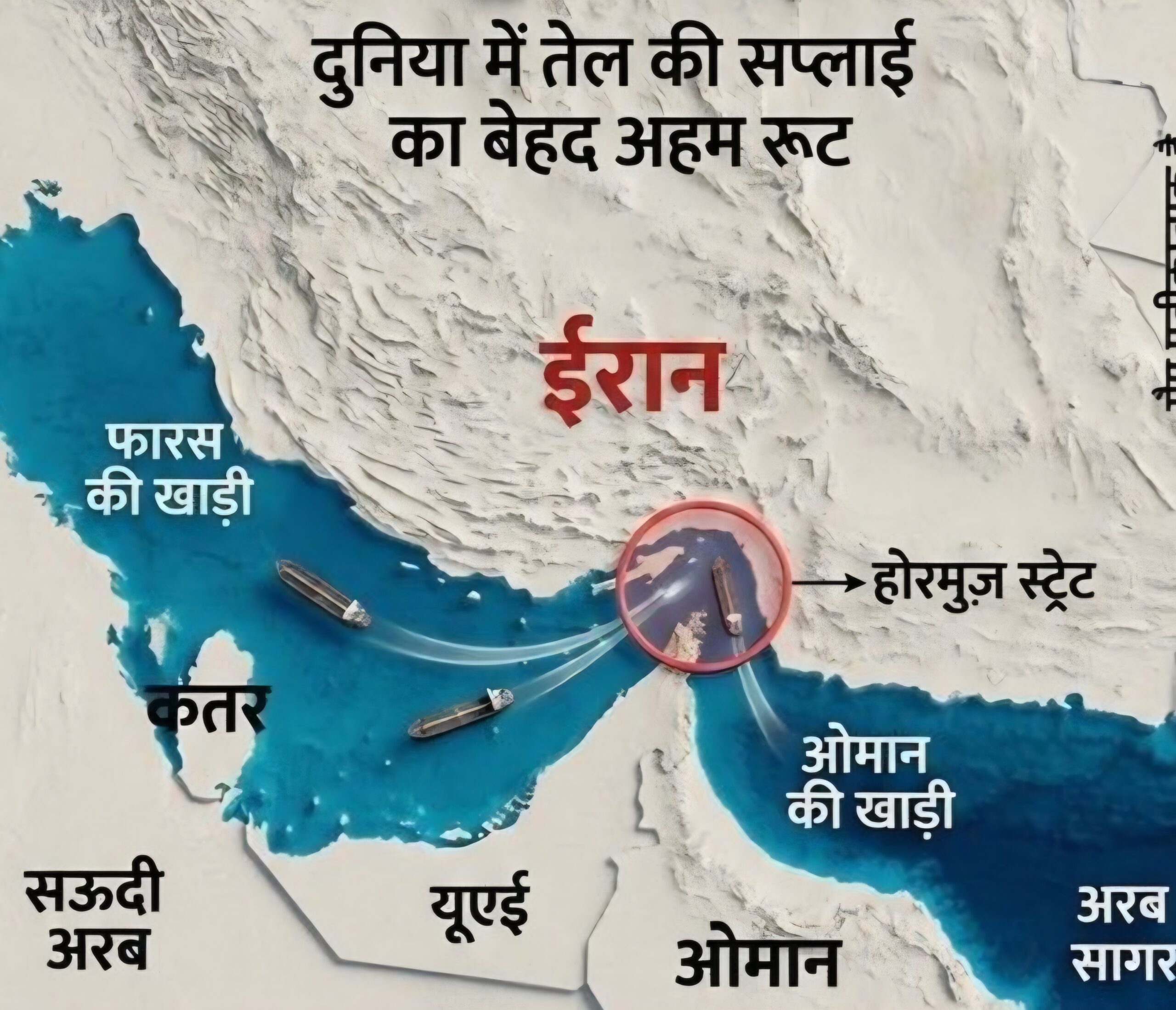
2. Control of the Strait of Hormuz
· US Demand: Immediately reopen the strategic waterway to global trade without any preconditions.
· Iran’s Position: Demanded a guarantee of Iranian control over the strait. Tehran made it clear that no concessions would be given on this issue unless a comprehensive agreement was reached.
3. Sanctions Relief and War Compensation
· Iran’s Demands: Immediate lifting of decades-old US sanctions, return of frozen foreign bank funds, and compensation for damages caused by recent US and Israeli strikes.
· US Response: Completely rejected the compensation claim and insisted that sanctions would only be lifted gradually and conditionally, based on Iran’s compliance.
Why Did the Islamabad Talks Fail?
Beyond the specific demands, analysts point to two deeper reasons:
· Mutual Perception of Victory: The US believes that bombing over 13,000 Iranian targets has crippled Tehran, and therefore Iran should surrender. Conversely, Iran believes that surviving such massive attacks and forcing the US back to the negotiating table is itself a victory, boosting its morale.
· The “Take It or Leave It” Proposal: US Vice President Vance described America’s offer as “flexible” but also the “final and best” proposal, with permanent nuclear halt and unconditional Hormuz opening as “red lines.” Iran’s delegation rejected this as “unreasonable and excessive.”
What Will Trump Do Next? Four Possible Scenarios
With diplomacy stalled, here are the options likely being considered by the White House:
1. Resumption of Military Conflict (Most Immediate Threat)
The current ceasefire is set to expire on April 21. Without a deal, President Trump could order a resumption of large-scale airstrikes. Experts fear that this time, civilian infrastructure inside Iran could be targeted, potentially triggering a wider regional war.
2. Naval Blockade on Iran
President Trump has hinted on his Truth Social platform at imposing a naval blockade similar to the one used against Venezuela. The US Navy could use its warships in the Persian Gulf to intercept all vessels entering or leaving the Strait of Hormuz. While this would pressure Iran, it would also cripple global oil supplies and severely impact Gulf countries’ trade.
3. Diplomatic Window Remains Slightly Open
· US Stance: Vance has stated that the US will wait for Iran’s formal response to its “final offer.”
· Iran’s Stance: While an Iranian official said there are “no plans for further talks,” the Foreign Ministry later added that the diplomatic path is “not completely closed.”
· Expert View: Michael Kugelman of the Asia-Pacific Foundation notes that sending such a high-level US delegation shows Washington’s seriousness, suggesting more talks (possibly in another country) could happen.
4. Severe Global Economic Fallout
If war resumes, the impact on the world economy would be devastating:
· Oil Shock: 20% of global oil supply passes through Hormuz. Prices would skyrocket.
· Supply Chain Crisis: Critical materials like helium (used for semiconductors and fertilizers) would face severe shortages, driving up inflation worldwide.
· Impact on India: India’s oil and LPG imports from Gulf nations would be directly disrupted, potentially increasing domestic fuel prices.
Conclusion
Both nations remain firmly entrenched in their positions. With the ceasefire ending on April 21, the next ten days will determine whether West Asia moves toward de-escalation or plunges into an even more destructive conflict. For now, President Trump appears to be weighing a choice between military action and pursuing a new round of shuttle diplomacy.