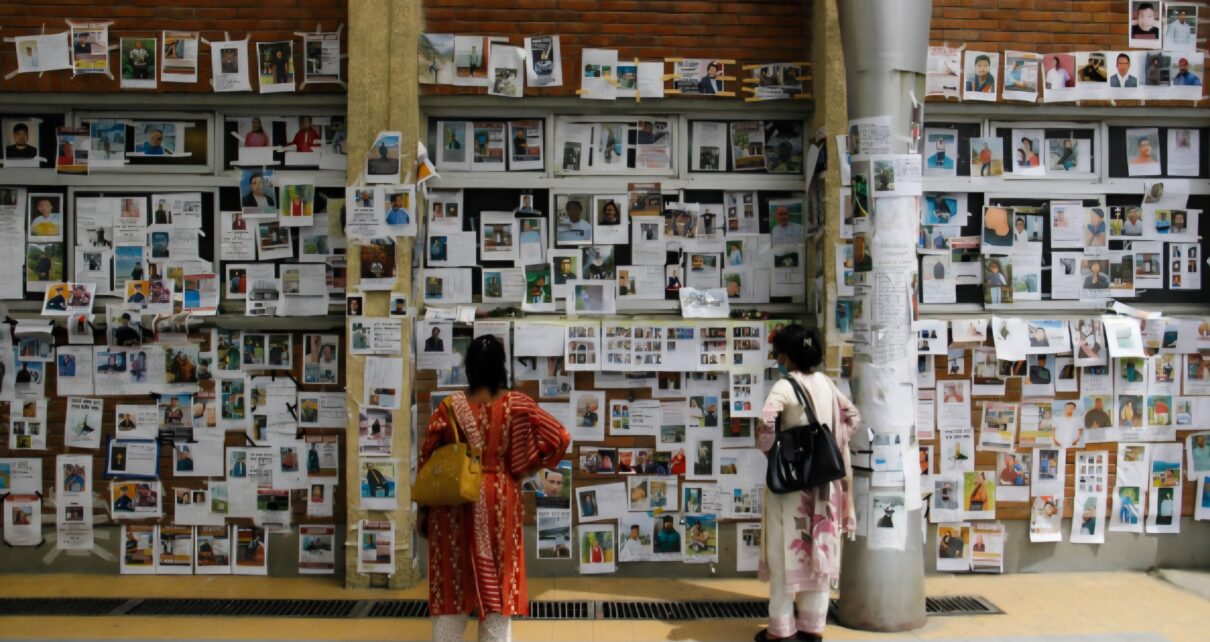
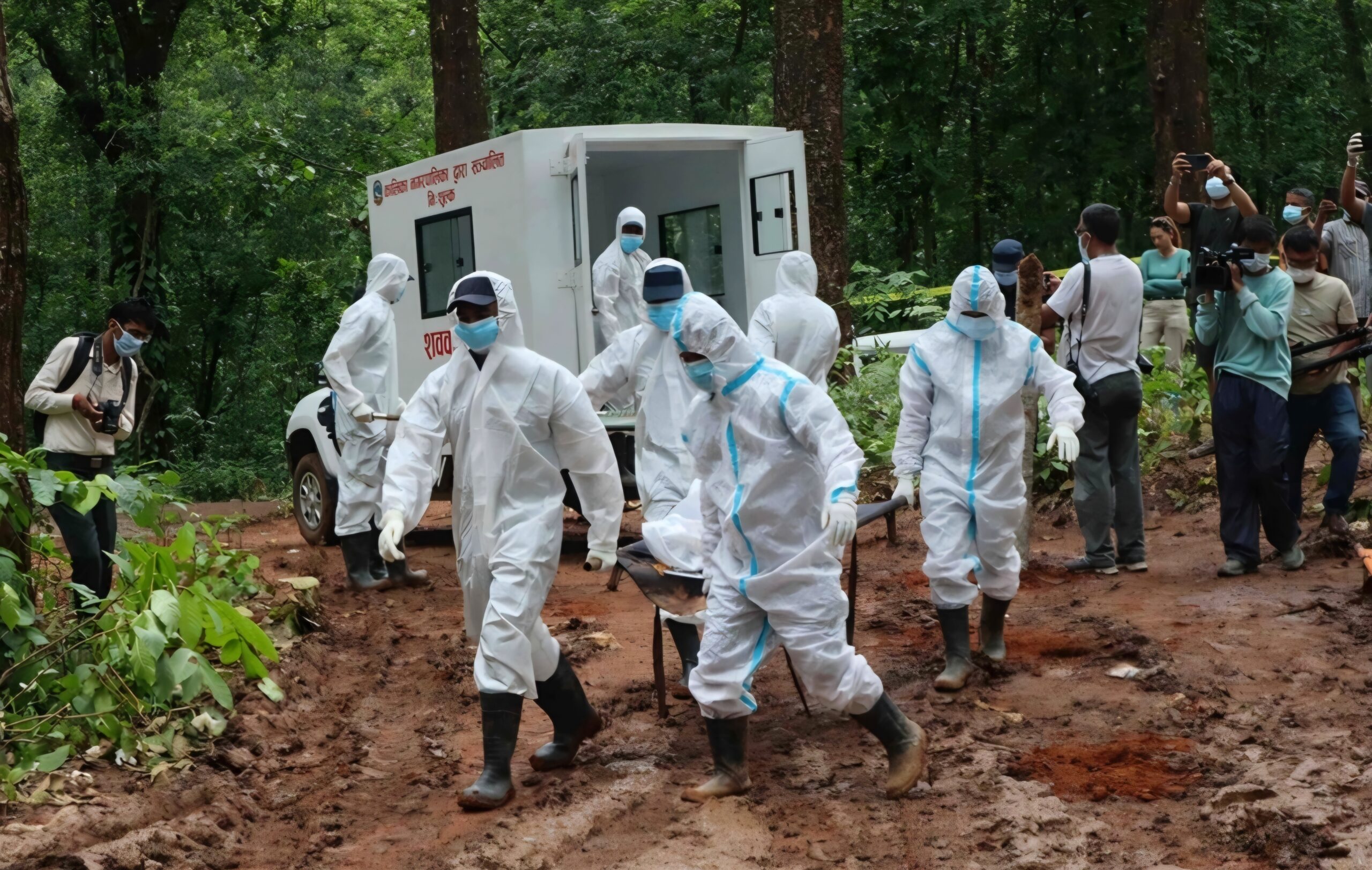
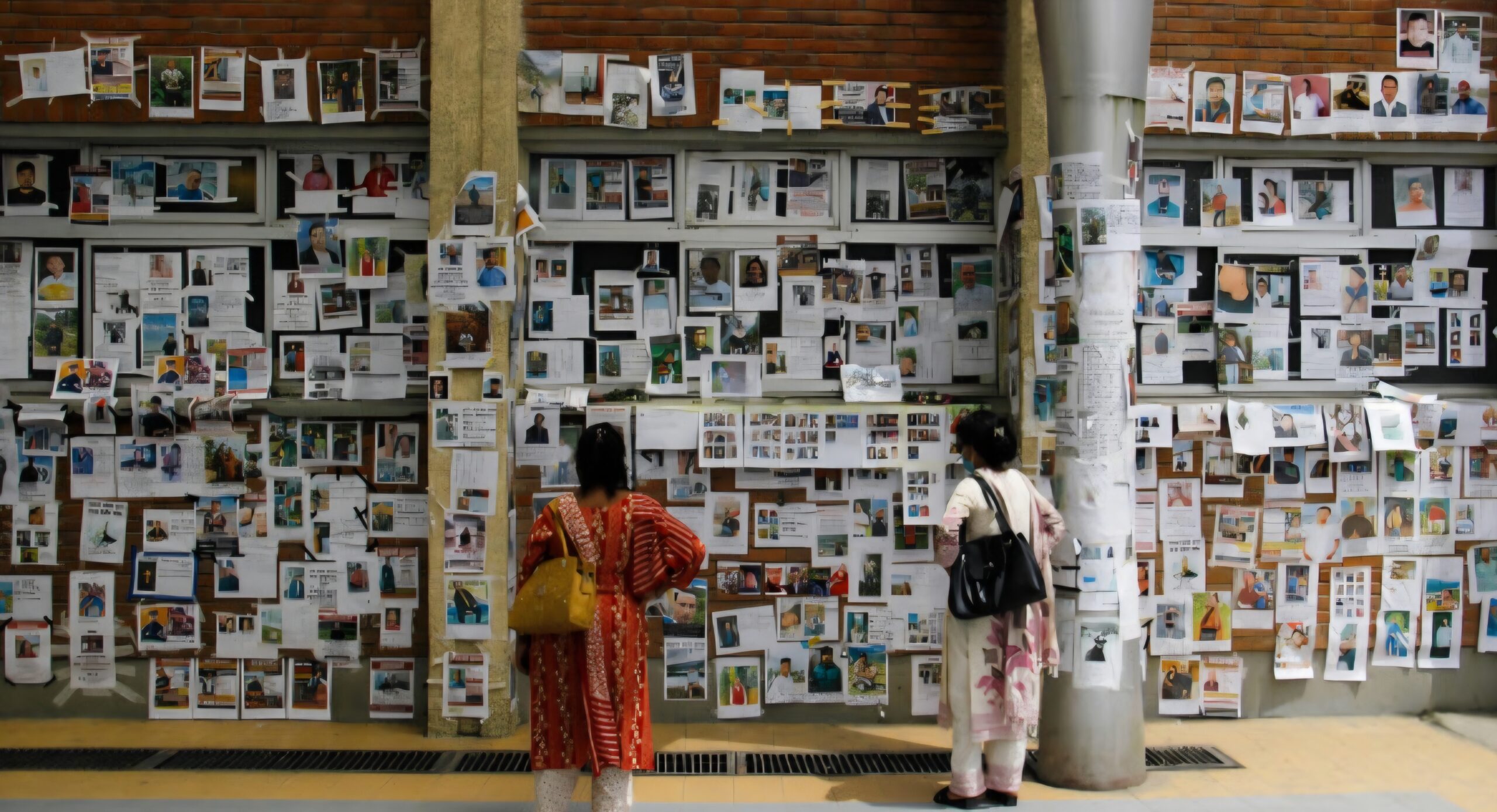
Kathamandu, 9 September. Ten days after the devastating Bhotekoshi flood, families of the missing continue their desperate search, with their last hopes now resting on DNA test results. Thousands of relatives are visiting hospitals and police stations to provide blood samples, hoping to recover at least the remains of their loved ones for final rites.
Body Recovery and Management Statistics
| Location / Detail | Number of Bodies |
| Total bodies recovered (as of Sunday) | 1,341 |
| Successfully identified bodies | 98 |
| Recovered in Chitwan | 362 (14 identified, 333 buried in Devghat) |
| Recovered in East Nawalparasi | 222 (17 handed over, 160 buried) |
| Recovered in Nuwakot | 155 (85 buried in Kathmandu forest area) |
| Brought to Pokhara | 102 (21 handed over, 76 buried) |
DNA Testing Pressures and Challenges
-
Limited Laboratory Capacity: Nepal primarily relies on the Nepal Police Central Forensic Science Laboratory and the National Forensic Science Laboratory. These facilities usually process fewer than 1,000 samples annually but are currently overwhelmed with over 2,000 samples.
-
Lengthy Processing Time: While fresh blood yields quick results, extracting DNA from the bones and teeth of highly decomposed bodies submerged in water can take at least three months.
-
International Assistance: To manage the unprecedented workload, 19 DNA experts from India and 4 from China are currently assisting. A 44-member disaster response team from South Korea is also on the ground, with additional support proposed by Japan and Singapore.
Scientific Management of Unidentified Bodies
-
Epidemic Prevention: Due to the severe decomposition of remains and limited mortuary capacity, the government initiated mass burials to prevent potential health crises.
-
Secure Burial Protocols: Following the “Unidentified Dead Body Management Guidelines, 2083,” post-mortems and DNA sampling are completed before bodies are placed in airtight plastic bags and buried in 1.5-meter-deep trenches.
-
Digital Tracking: Each burial site is meticulously cataloged using concrete markers, GPS coordinates, and QR codes for precise future location.
-
Future Claims: Families cannot claim bodies based solely on photographs. Remains will only be exhumed and handed over following a confirmed DNA match, and families retain the right to claim a body for up to 12 years.