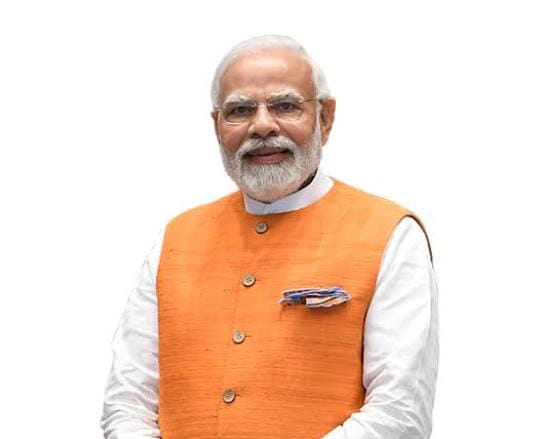
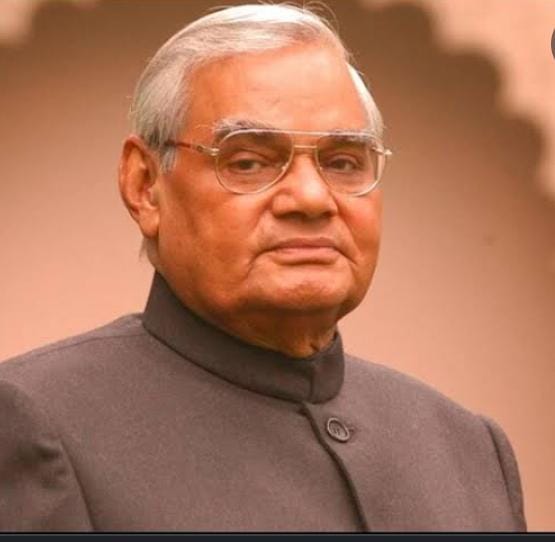
How Ataljee’s scrupulous adherence to Sri Ram’s ‘Maryada’ in politics cost him the loss of his government by a solitary vote and seldom a substantive grip over power ; while Narendra Modi’s robust belief in ‘ tit for tat’ and pro-active type of Shri Krishna’s doctrinaire belief in ensuring the triumph of Dharma over Adharma, earned him a majority government after several decades and the mantle of being the world leader.
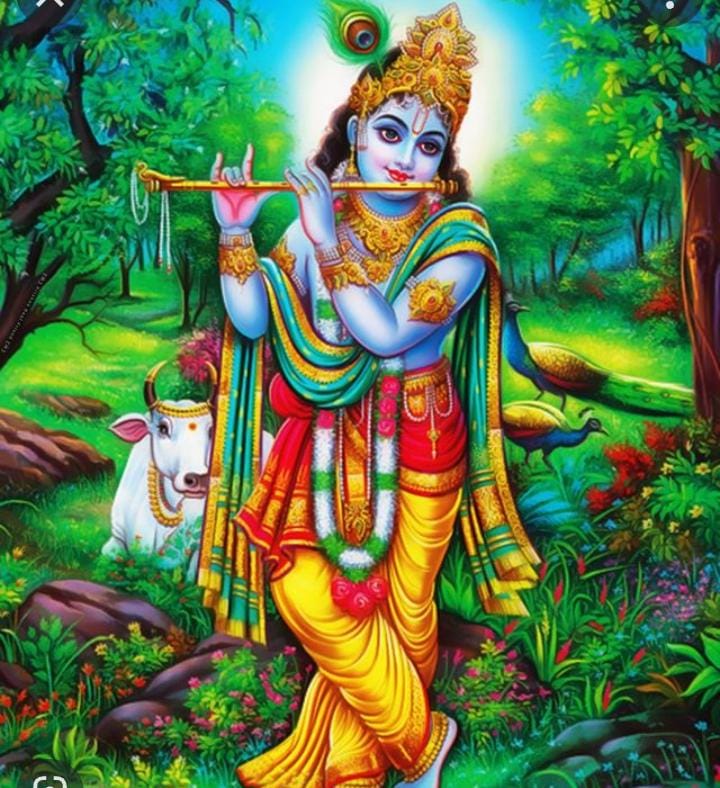
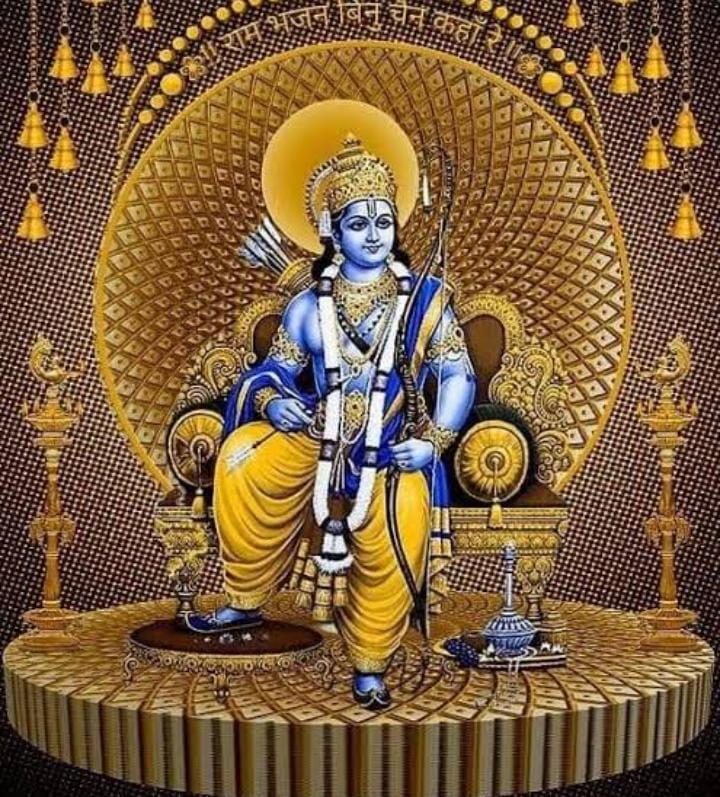
Vivekanand Jha Ranchi: Today humanity is commemorating the birth anniversary of the Lord of universe, Lord Sri Krishna. Significantly, none ever born on earth, including the founder of any religion, could dare to arrogate to himself the rights and authority of being the Creator of the universe as Shri Krishna did. However, the moot point is, that how the very definition of Lakshman Rekha continued to shift as the time passed. The era of Sri Ram, the Maryada Purushottam, who had institutionalised the values in conduct and later, in governance, too, was influenced by his age and era; the surrounding which adhered to certain values, had remarkably showcased the sacrosanct nature of Lakshman Rekha, even though seeking to overwhelm it at times, yet the social frame inhibited its violation in any form. In this context, even Ravana’s act of moral turpitude brought about by his abduction of Sita, the wife of Sri Ram, through an apparent act of deception, nonetheless was restrained from crossing the Lakshman Rekha which was socially adhered to in that contemporary times. For instance, even Ravana, despite bringing Sita to Lanka, dared not infringe upon her chastity; could dare not coerce Sita into an abysmal submission, without her free consent. This was the prevalent Lakshman Rekha in Treta Yuga, where even demon Ravana had the moral underpinnings: not to outrage the modesty of the woman he had abducted from her perch. But then, despite the prevalence of Lakshman Rekha, she was atrociously sought to be sent into exile and, even had to pass through the Agni Pariksha for vindicating her purity from Ravana’s unwarranted invasion. Sri Ram’s succumbing to the challenge of the washerman, invariably put him to a historic dilemma: how to convey his wish for Sita to go in exile, especially when there was no fault of her in the whole episode?
With the advent of Dwapar Yuga, the deterioration in social values was all the more palpable: whereas Bharat was prepared to place the slippers( Kharaon) on the throne of the king, arrogating to himself the right to rule as Sri Ram’s representative, Duryodhana, on the other hand, was adamant: he bluntly refused to part with land in favour of his cousin Yudishtira, even equivalent to that of the needle unless the decisive war was fought. Worse still, in Treta, Ravana, despite abducting Sita, would dare not touch her against her will, Dushashan, at the behest of Duryodhana, had dragged along Draupadi, seeking to disrobe her infront of the courtiers like Bhisma and Dronacharya. Unequivocally, whereas the epitome of renunciation, Bhisma too stayed in that era, it hardly impacted Duryodhana from going ahead to re-define Lakshman Rekha. Small wonder then, Sri Ram’s lofty principles, if were followed by Pandavas, unequivocally would have led to the stunning defeat of Pandavas in Mahabharata, especially when the scheming Duryodhana was seeking to re-define Lakshman Rekha for his victory–adopting all sorts of shenanigans, based on mendacity and deceit to win the war. Thus if Sri Krishna would not have countered the malafide and malicious strategies of Kauravas with correspondingly potential moves, based on treachery and deceit, Pandavas would have decisively lost the war. This, would have been against the core objective of Creation, which applauds victory of truth and righteousness over evil. Mandukya Upanishad’s ‘ Satyamev Jayate’ would have been blown into smitherrens, had Pandavas lost the War of Mahabharata.
Atal Bihari Vajpayee’s rule in Delhi, with the ascendancy of BJP, had seen the strict adherence of the values which were institutionalised by Sri Ram. Ataljee losing power in 1996, yet refusing to take recourse to political chicanery and horse trading, resulting in his ignominious exit from power after 13 days. Later, despite losing by the solitary vote, Ataljee never went for political manoeuvring to mobilise support through unfair means. He let the government go, rather than sacrificing it at the altar of political expediency. His principles and scruples would not allow his conscience to bend down to the situation that prevailed then –whereas he lost by the solitary vote, his political adversaries made the open mockery of his high ideals and exalted belief which they found were obsolete and antithetical to the mindset that stood institutionalised by then: a decrepit moral compass which resonated across the political spectrum. How the opposition, much like Duryodhana in the court of Dhritrashtra, openly guffawed and mocked Draupadi’s disrobing. It was blowing into smithereens the last vestiges of the Maryada of Shri Ram’s time; it desperately called for an image makeover of the leadership characteristics of BJP, if Hindus were to survive and live with dignity.
The arrival of Modi raj called for the large scale adoption of the belief of Sri Krishna, where the truth and righteousness should find an innate expression through the pro- active process of nipping in bud the unconscionable level of thuggery and deceit. Gone was the the belief of Ataljee to set the precedent of moral values in politics when others were openly taking recourse to deception and thuggery to capture power. The advent of Narendra Modi symbolised the iron grip on power where the opposition will not set the agenda; in fact, it was BJP led by Narendra Modi, which will take the pro-active decisions to set right the hitherto wrong accumulated over several decades. Unequivocally, it was BJP’s deftness in handling the nation, which will make opposition scurrying for cover, unlike Vajpayee’s era when BJP was always in reactive mode. The abrogation of Article 370, notwithstanding it’s implication, was the audacious move which took the nation by surprise; the passing of CAA act in Parliament, the abolition of triple Talaq et all –were some of the bold endeavours to send the message across: BJP has tectonically shifted from the politics of Maryada Purushottam into that of Sri Krishna’s pro-active policy of ensuring the victory of righteousness through the brazen force. The hard core politics which BJP practices today traces its genesis from the teachings of Bhagvad Gita where victory should come to those espousing values, even though it comes through deceit, it hardly matters. No doubt, turning the table on Uddhav who legitimately sought to distort the verdict of the people, is the exemplification of not letting go the crime against the people unpunished. Thus on this auspicious occasion of Janmaashtami, the nation should renew its commitment towards the doctrinaire belief of Sri Krishna to ensure the triumph of truth and righteousness over evil. Little wonder then, Narendra Modi purportedly appears to be doing so, this is what India believes today. This shifting of Lakshman Rekha from that of the value based politics of Ataljee into that of pragmatism guiding Narendra Modi’s action, is tantamount to a shifting era from that of Sri Ram’s guiding principle of ideals having been replaced by the Sri Krishna’s brazen pragmatism calling all shots, makes this year’s commemoration of Janmaashtami all the more important.
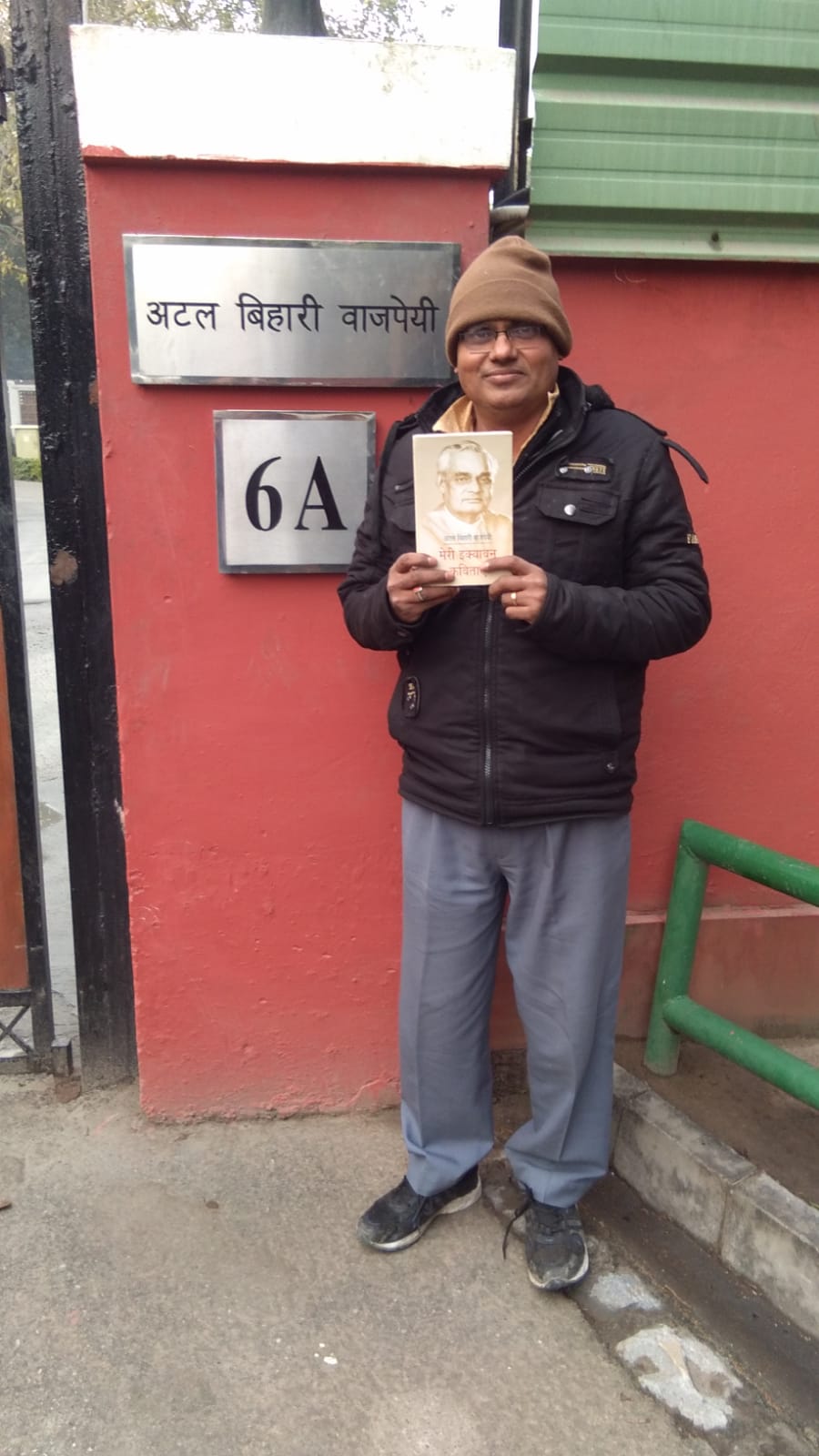
Vivekanand Jha, Author, Academician and Public Intellectual.