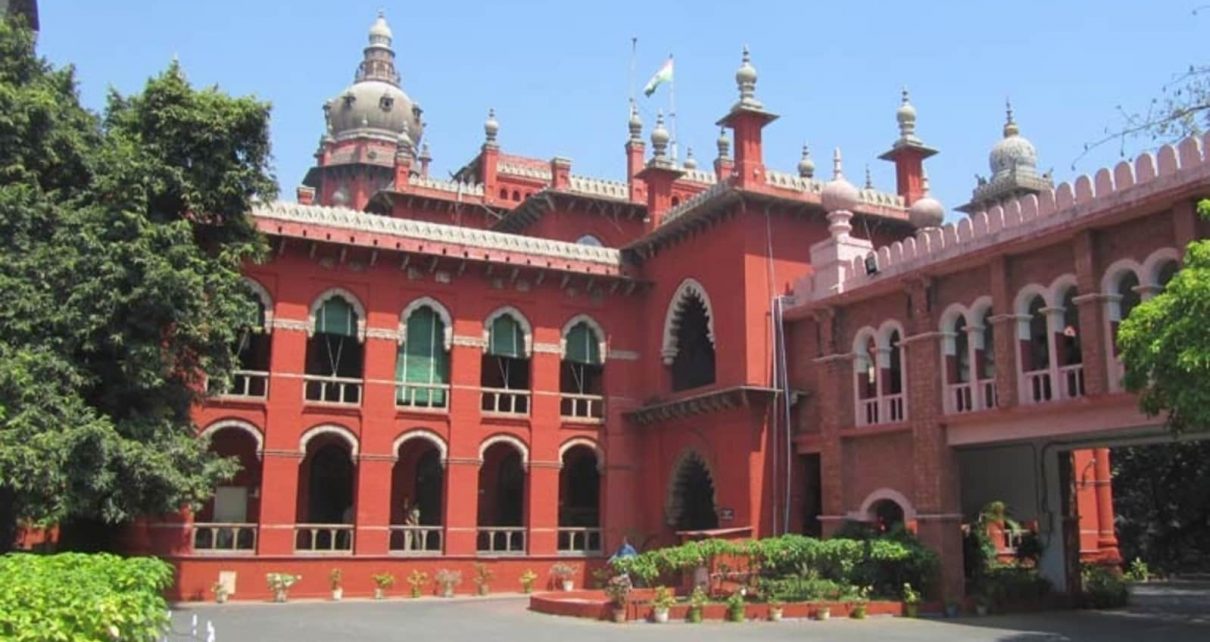
With the stock of judiciary an all time low, the latest phenomenal verdict of Madras High Court will resurrect the sagging image of judiciary in the eyes of the common people.
Vivekanand Jha,Ranchi. The role of Indian judiciary, as that of a watchdog to India’s democracy, has suddenly taken a severe beating, if not altogether stood pulverised at the altar of its own obsequious subordination to the whims and fancy of the executive. Evidently, the deterioration of judiciary had started decades ago, when the executive, in the exercise of its own clever stratagem, had deployed all tricks up its sleeves to make judiciary a pliant instrument to attain the former’s own set of political objectives, the foremost of which was to tighten its own control over the lever of power. Significantly, the separate wings of Parliamentary democracy, especially the Legislature and Judiciary have been ever engaged in a battle of one upmabship. No wonder the Parliament’s hubris brought about by the constitutionally mandated power to legislate, inculcated in it the sense of arrogance of being sovereign, not amenable to challenges-neither from any institutions within, nor from any authority from without. Small wonder then when apex court, picking up the gauntlet, continued to set aside the substitute, on their being ultra vires Constitution, the real tussle for claiming supremacy between both picked up its own momentum: with the Parliament enacting legislations and Supreme Court setting them aside; the parliament re-enacting the legislation to insulate it from the apex court’s scrutiny.
However, the situation went a total metamorphosis: The Keshavanand Bharti case versus State of Kerala, was an eye opener for the then government of Indira Gandhi: the blunt refusal of such an outstanding judge like Justice H. R. Khanna, compelled Indira Gandhi to infiltrate Supreme Court with such men who owed allegiance to her-the elevation of Justice A.. N. Ray, the junior most judge as the Chief Justice of the Supreme Court. No wonder the emasculation of the judiciary began under Indira Gandhi’s tenure, yet the judiciary retained its lustre over several decades. The clout of judiciary, despite its roller coaster ride, continued till 2014. Small wonder then the famous quote of Vinod Mehta, the former editor of Outlook, who had famously said about Supreme Court: ‘ This is the only holy cow which needs to be slaughtered’, is the vindication of the clout that judiciary continued to enjoy despite some erosion in its power.
However, the role of judiciary as the watchdog to democracy, showed a remarkable erosion with the advent of the Narendra Modi in Delhi Durbar in 2014. Significantly, a peculiar trend was institutionalised in the judiciary: far from exercising its fierce independence from legislature, the judges for some post-retirement succour, began singing panegyrics for Modi. Justice Arun Mishra was one of such judges who made it his habit to heap an avalanche of praise for the Prime Minister. This, in fact, was the most diabolical tendency that became apparent with judges seeking to ingratiate themselves into getting some quid pro quo favour from the Executive. Unabashedly, in a state of feast of frenzy, as observed among the politicians and media, the judges of the apex court too, made a beeline for currying favour with the politicians in power. The Post-retirement Rajya Sabha entry of the former Chief Justice Gogoi, speculated to be a quid pro quo for his passing of judgment in Ramjanma Boomie case, served as a precedent for other judges to increasingly taking to singing paeans for the politicians in power.
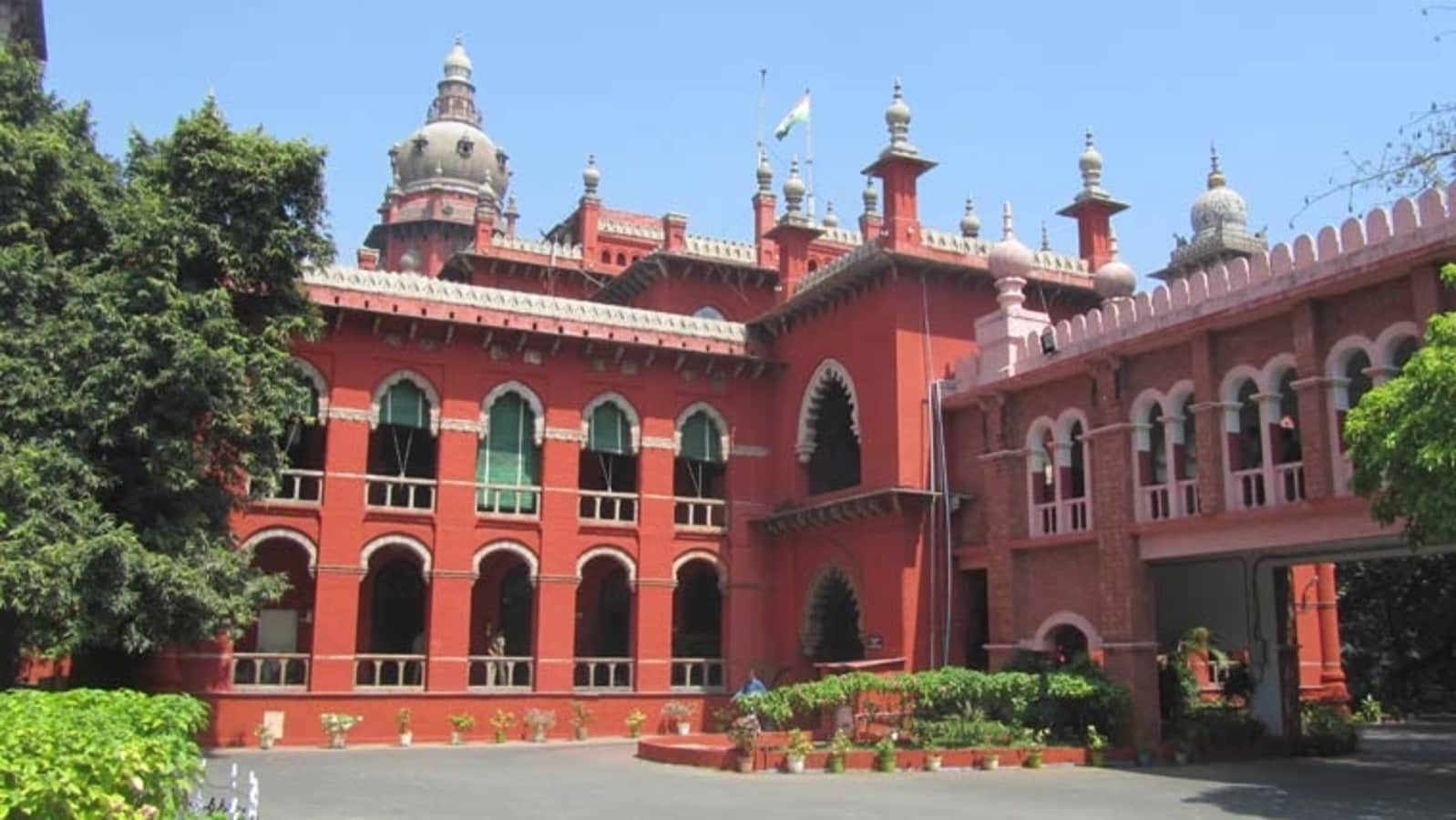
The complete capitulation of Judiciary to Executive, manifesting in Judiciary having conveniently reconciled to play the second fiddle to the Executive, contributed to the erosion of the public trust in judiciary to a large extent. Ironically, while apex court is construed to be submissive to the executive, High Courts have increasingly been seeking to project the independence of Judiciary through scores of their judgements. Recently two important judgments, coming as they did from two different High Courts-Madras and Kolkata-indeed dispels the overwhelming gloom that envelops the nation amidst such a humongous crisis as engendered by the pandemic Corona. The Madras High Court’s division bench verdict delivered by the Chief Justice Sanjib Banerjee and Senthil Ramamoorthi, tantamounts to evoking a smile in the faces of the vast number of citizens who are living in an inordinate fear and psychological depression brought about by the death and destruction all around. The bold judgement of Madras High Court, which severely indicts the constitutional office of The Election Commission, dubbing it as the ‘ murderer’ for allowing the election to be conducted during such turbulent times when people are dyeing like flies, apart from evoking cheers among the people, it has also caused some criticisms from certain quarters. The primary criticism being that of one constitutional body diabolically undercutting the other constitutional body, appears absolutely unwarranted. The chief responsibility of the Election Commission has been to conduct electuons in such turbulent times as this when the gathering of any form is a taboo.
Notwithstanding the criticisms, which becomes inevitable in view of ruffling certain feathers, especially when the ruling party has been losing its narrative for the first time, it is natural that the pro-establishment writers will try to discredit the judgment which brings such a great respite and comfort to the common citizens. In situations when the apex court’s degeneration into that of executive court has almost become the reality, the several judgments passed by the different High Courts are the only redeemer. Also, if the judiciary fails to call spade a spade, and take the delinquent forces to task, who else will? Also, the judgment of Kolkata High Court, pulling down the Election Commission for its deficiencies while citing the name of T.N.Seshan as a glowing example, is another feather in ever weathering crown of judiciary. Moreover, Allahabad High Court’s verdict in enforcing the lockdown in few districts of UP, which, even though was set aside by the Supreme Court, yet the matter became obvious to the common people: It is High Courts, across India, which deserves applause for dispensing justice without fear or favour. However when it comes to the Supreme Court, less said the better.