Dr. Vidhu Prakash Kayastha
It seems likely that on March 28, 2025, in Kathmandu, Nepal, pro-monarchy protesters clashed with security forces, resulting in two deaths and several injuries, amid calls for restoring the monarchy and a Hindu state.
Reports indicate that two distinct public gatherings took place: monarchists assembled in Tinkune, where their rally turned violent, while republicans held a peaceful meeting at Bhrikutimandap in support of the current republic. The events appear to highlight significant political divisions, with monarchists expressing frustration over governance and republicans standing firm in their support of the 2008 transition to a republic.
Background and Events
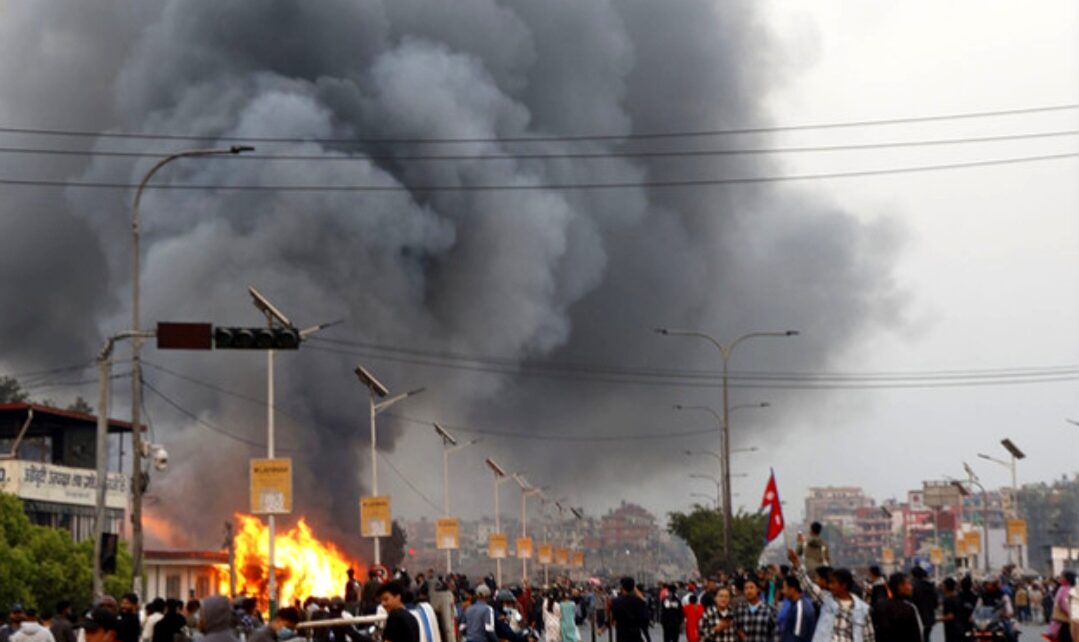
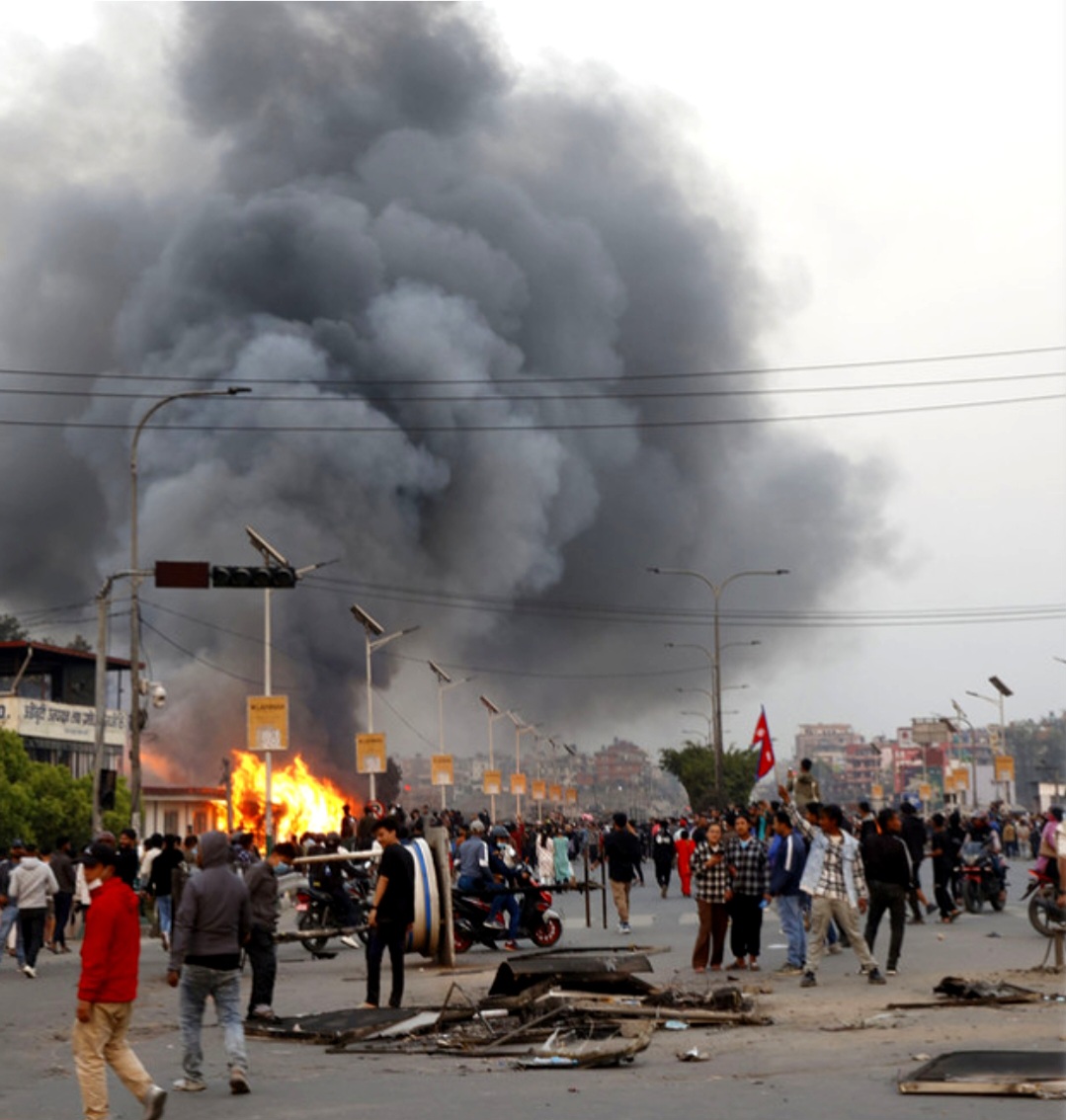
On March 28, 2025, Kathmandu was rocked by significant unrest as pro-monarchy activists, led by groups such as the Rastriya Prajatantra Party, gathered in Tinkune to call for the restoration of the monarchy and Nepal’s return to a Hindu state. Their march escalated into violent clashes with security forces, prompting the police to use tear gas and water cannons. The violence resulted in the deaths of a protester and a journalist, along with several injuries, including among the police. In response, the government imposed curfews and deployed the army to restore order.
At the same time, republicans, organized by the Socialist Front, which includes the Maoist Centre and other parties, held a peaceful rally at Bhrikutimandap, denouncing corruption and expressing support for the republic established in 2008. This stark contrast between the two gatherings underscores the deep political polarization surrounding Nepal’s future.
Analysis and Implications
The monarchist rally’s violence versus the republican meeting’s peacefulness suggests differing approaches to political expression, possibly reflecting the intensity of monarchist grievances. These events underscore ongoing tensions, with monarchists tapping into public frustration over governance, while republicans maintain strong legislative support, controlling over 90% of national and provincial legislatures. The future may hinge on addressing corruption and economic instability to reduce support for monarchy restoration.
On March 28, 2025, Kathmandu, Nepal, became the epicenter of political turmoil as pro-monarchy protesters clashed with security forces, coinciding with two separate public meetings by monarchists and republicans. This report provides a comprehensive examination of the events, their context, and implications, drawing from multiple sources to ensure a thorough understanding.
Nepal’s monarchy, a centuries-old institution, was abolished in 2008 following a pro-democracy movement, transitioning to a federal democratic republic. This shift came after a decade-long Maoist insurgency and mass protests in 2006 that forced King Gyanendra Shah to relinquish authoritarian rule. However, recent years have seen a resurgence of pro-monarchy sentiment, fueled by public dissatisfaction with the current political system. Reports indicate frustration with corruption, economic instability, and perceived governance failures, with the 2015 Constitution’s federal system also facing criticism for inefficacy.
Pro-Monarchy Protest: Details and Outcomes
The pro-monarchy rally, organized by groups such as the Rastriya Prajatantra Party and the Joint People’s Movement Committee for the Restoration of the Monarchy, led by figures like Durga Prasai and Navaraj Subedi, took place in Tinkune, Kathmandu. Their demands included restoring the monarchy and reinstating Nepal as a Hindu state, reflecting a desire for stability and cultural preservation. The protest turned violent as protesters attempted to march to the city center, met with police resistance using tear gas and water cannons. Clashes resulted in two deaths—a protester from bullet wounds and a television journalist when a building was set on fire—and several injuries, including to police personnel. The government responded by imposing curfews in areas like Tinkune, Sinamangal, and Koteshwor, and deploying the army, with Prime Minister KP Sharma Oli convening an emergency meeting.
Republican Meeting: Peaceful Counter-Demonstration
In contrast, the republicans, led by the Socialist Front, which includes the Maoist Centre, CPN (Unified Socialist), Nepal Socialist Party, and Netra Vikram Chand’s CPN, held a meeting at Bhrikutimandap. This event, starting at 12 PM, was peaceful, with participants chanting slogans like “Long live the republican system” and “Down with monarchy.” Leaders such as Pushpa Kamal Dahal, Madhav Kumar Nepal, and Mahindra Rai Yadav addressed the gathering, focusing on supporting the republic and protesting corruption and misgovernance. The meeting’s location and conduct suggest a strategic choice to avoid confrontation, contrasting sharply with the monarchist rally’s violence.
The monarchist rally’s violence may reflect deeper frustration, possibly linked to economic and governance issues, while the republican meeting’s peacefulness suggests a more organized, less confrontational approach. The demographic base also differs: monarchists likely include conservative and traditionalist groups, while republicans draw from left-wing and progressive factions, with youth increasingly disillusioned with traditional parties but not favoring monarchy.
Political and Social Implications
The events of March 28, 2025, highlight Nepal’s polarized political landscape. The pro-monarchy movement, while not a majority, has gained visibility, with recent rallies drawing 10,000-15,000 participants, compared to anti-monarchy protests in 2006 with hundreds of thousands. Electoral data shows the Rastriya Prajatantra Party’s vote share increased from 2% in 2017 to 6% in 2022, winning 14 seats, but still minor compared to republican parties controlling over 90% of legislatures. A 2024 survey suggests nearly half favor reversing secular status to a Hindu state, potentially linked to monarchy support, but youth prefer newer politicians like Kathmandu mayor Balendra Shah over monarchy (Making Sense of Nepal’s Pro-monarchy Protests).
The government’s response, including PM Oli’s emergency meeting, indicates concern, but critics warn defensive measures could backfire. The monarchy’s historical record (1960-1990) shows economic stagnation, poor health/education, and restricted freedoms, contrasting with republican aspirations for progress. External influences, such as speculation of Indian support for a Hindu state, lack concrete evidence, with both India and China historically viewing monarchy less favorably (Making Sense of Nepal’s Pro-monarchy Protests).
Impact on Media
An unexpected aspect is the death of a television journalist during the monarchist protest, highlighting the risks to media in covering such events and potentially influencing public perception and international attention. The clash on March 28, 2025, and the contrasting meetings reflect Nepal’s ongoing struggle between tradition and modernity. While monarchists leverage public discontent, republicans maintain strong support, suggesting a complex future. Addressing governance issues will be crucial to prevent further escalation, with both sides needing dialogue to navigate this divisive period.