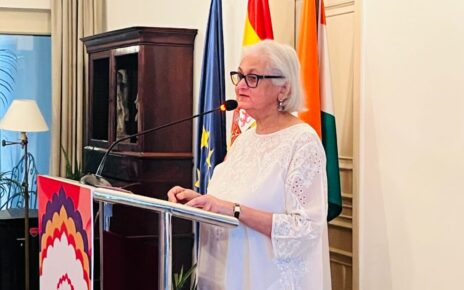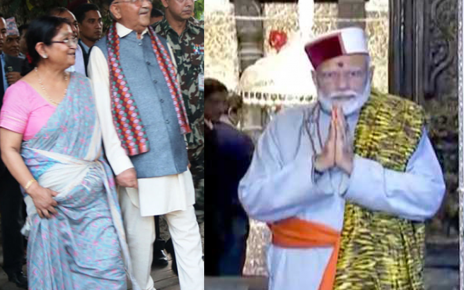

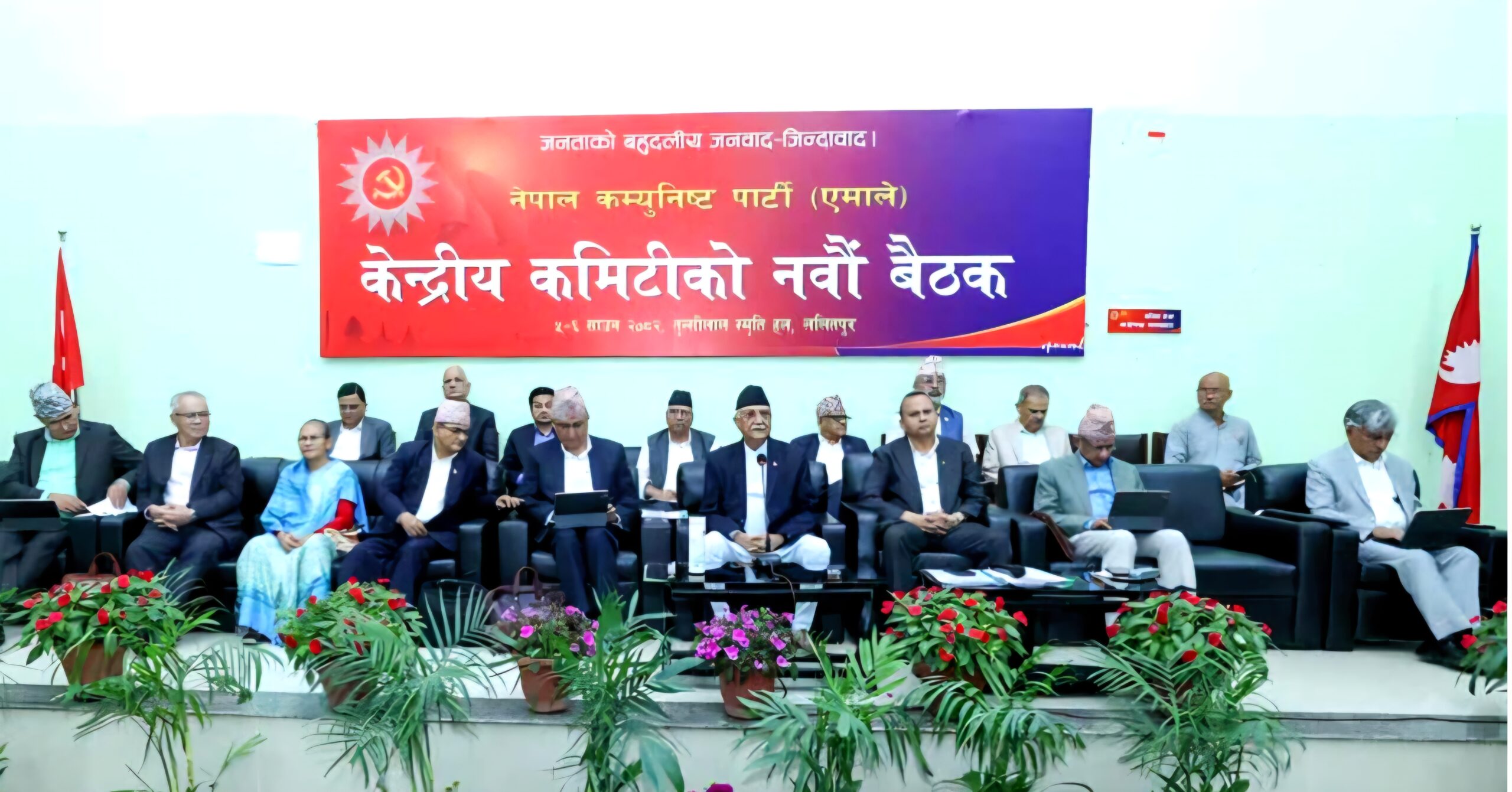
Kathmandu, July 23 – In a dramatic turn of events, Nepal’s main opposition party, CPN-UML, has officially decided not to allow former President Bidya Devi Bhandari to return to active party politics. The decision was made during a late-night meeting of the party’s Central Committee, chaired by UML leader KP Sharma Oli.
UML Urges Bhandari to Remain an “Elder Statesperson”
The Central Committee concluded that it would be inappropriate for a former President, who served as the symbol of national unity, guardian of the Constitution, and Supreme Commander of the Nepal Army, to return to active party politics. The party instead urged Bhandari to play the role of a non-partisan advisor and elder statesperson.
Presenting the proposal, Oli argued that Bhandari had ignored his earlier suggestions about maintaining the dignity of the presidency and had even publicly challenged the party’s leadership by holding a press conference before the meeting.
Internal Dissent Within UML
Despite the decision, not all voices in UML were in agreement. Vice-chairpersons Yubaraj Gyawali and Surendra Pandey, along with Standing Committee member Karna Thapa, expressed dissent. Gyawali urged that the issue should have been settled in the party’s Secretariat, not rushed through the Central Committee.
Thapa criticized the method used to block Bhandari, calling it “inappropriate,” while senior leader Ishwar Pokharel, once a close ally of Bhandari, remained silent during the meeting.
Several prominent leaders, including Gokul Baskota, Ananda Pokharel, Sita Paudel, Purushottam Paudel, and Arun Nepal, argued that the Constitution does not bar a former President from returning to politics. Other members, like Rachana Khadka, Yubaraj Baskota, and Saroj Yadav, warned that blocking Bhandari could harm the party.
Bhandari’s Firm Reply: “I Will Not Stop”
Responding to the UML decision, Bidya Devi Bhandari made a bold statement to the press: “I have already resumed political life. There is no going back now.” She clarified that she had renewed her party membership and did not seek any leadership post.
“I have been active in politics since the late 1970s and stood strong during every political movement. There’s no reason I should stop now,” she said from her residence in Bhainsepati. She also claimed that the party leadership was targeting her out of personal discomfort, particularly after she announced her return to politics on Asar 14 (late June).
Debate Over Leadership Change in UML
Beyond Bhandari’s return, the meeting also saw calls for a leadership transition within the party. Central Committee member Usha Kiran Timilsina demanded that KP Oli, who has already served two terms, step down and allow a generational shift.
She called for internal party statutes to limit political and official posts to two terms only, even for those holding state positions. “Let’s not amend the party’s constitution for the benefit of any individual. Instead, let’s strengthen our organization,” she urged.
A proposal to amend the UML constitution was passed during the same meeting and will be presented at the upcoming Statute Convention.
Conclusion
UML’s decision reflects more than just the political future of a former president — it underscores power struggles, constitutional interpretation, and leadership transitions within Nepal’s second-largest party. While Bhandari insists on her political comeback, the Oli faction is determined to preserve party decorum and institutional integrity. The tension is set to escalate as the party moves toward its upcoming major conventions.