Kathmandu | July 18, 2025.The Russia-India-China (RIC) trilateral mechanism, first conceptualized in the 1990s, is showing signs of revival after years of dormancy. Russia has taken the initiative to reactivate this once-active platform, which was largely overshadowed in recent years due to geopolitical tensions and the COVID-19 pandemic.
Renewed Diplomatic Push from Moscow
In a recent interview with Russian news outlet Izvestia, Russian Deputy Foreign Minister Andrey Rudenko stated that Moscow intends to revive RIC, emphasizing that all three countries—Russia, India, and China—are key global partners and founding members of BRICS.
“We will raise this issue in our dialogues with both India and China. We want to make this mechanism work again,” Rudenko said.
Positive Signals from Beijing and Delhi
Responding to Russia’s initiative, China has expressed agreement. Chinese Foreign Ministry spokesperson Lin Jian, in a recent press briefing, reiterated Beijing’s desire for strong cooperation with both Russia and India. He said, “The RIC platform is not just about trilateral interests. It also contributes to regional and global peace, security, stability, and development.”
India has also shown a cautiously positive stance. Indian Foreign Ministry spokesperson Randhir Jaiswal noted that the RIC serves as a forum where the three nations discuss regional and global issues of mutual interest. “The organization of any future RIC meetings will be a decision taken jointly by all three countries,” he added.
Past Disruptions and Recent Progress
The RIC mechanism had become dormant following the border skirmishes between India and China in the Galwan Valley in 2020 and the onset of the COVID-19 pandemic. The Galwan clash had led to a significant deterioration in India-China relations, halting progress on several multilateral forums.
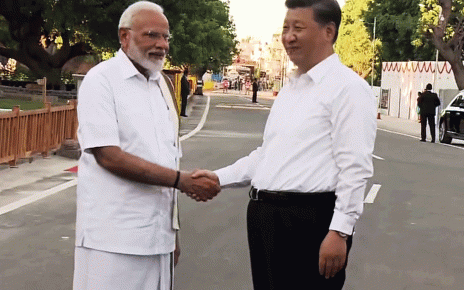
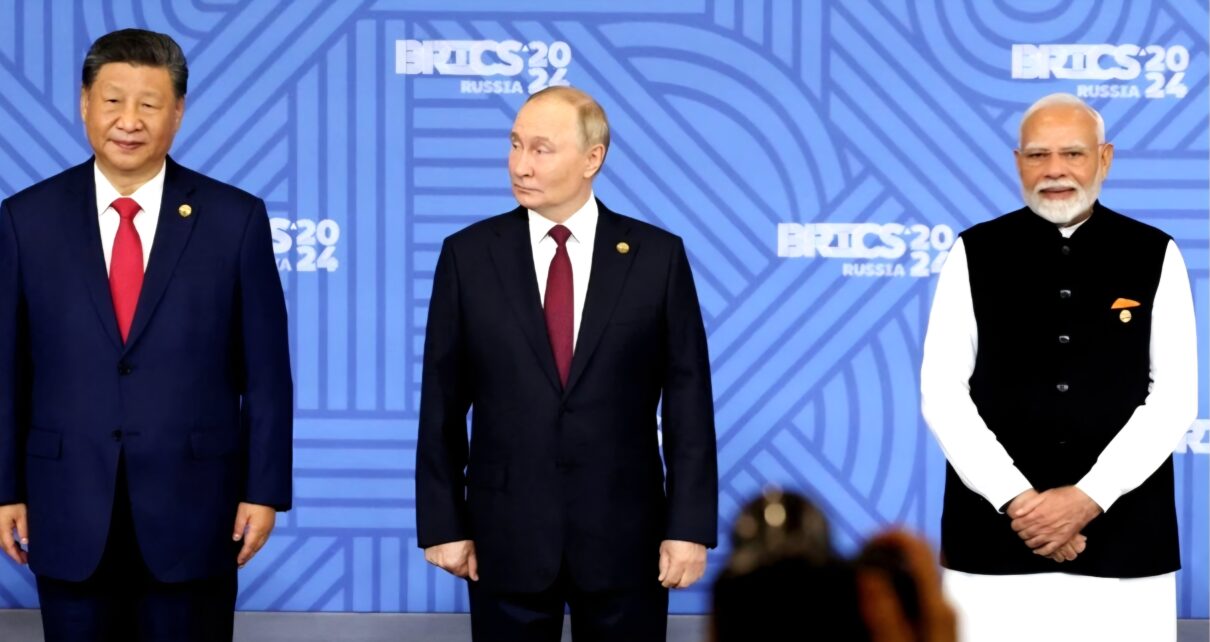
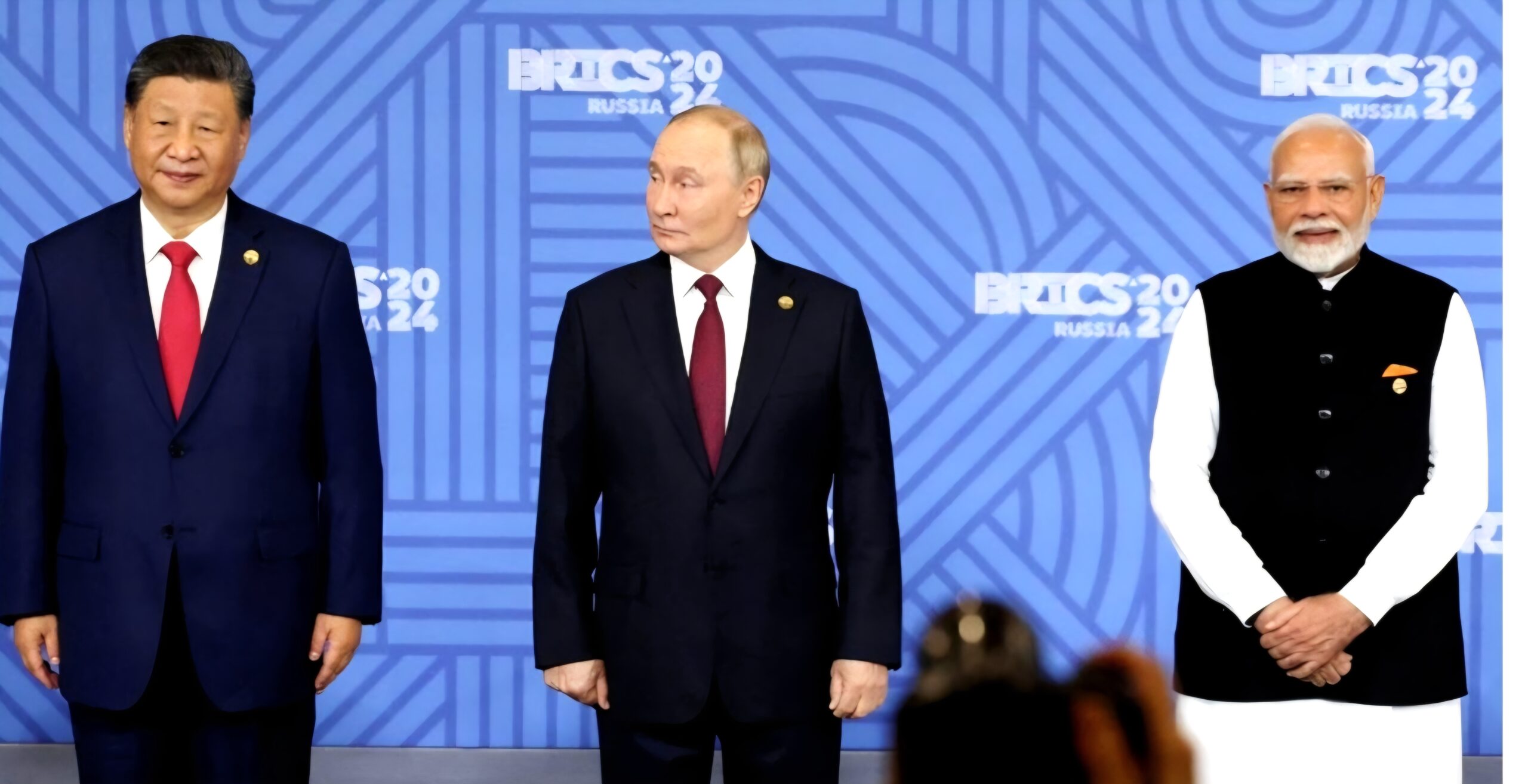
However, diplomatic efforts to thaw relations have intensified in the past year. In October 2024, India and China agreed on a new border arrangement. Later, during the BRICS Summit in Kazan, Russian Federation, Indian Prime Minister Narendra Modi and Chinese President Xi Jinping held a sideline meeting—their first formal encounter since the Galwan incident.
The positive trajectory continued with Indian External Affairs Minister S. Jaishankar’s recent visit to Beijing, signaling a renewed diplomatic engagement between the two Asian giants.
What Is the RIC Mechanism?
The RIC platform was first proposed in the late 1990s by then-Russian Foreign Minister Yevgeny Primakov.
The first formal meeting of foreign ministers under the RIC framework took place in 2002.
It serves as a strategic dialogue focusing on geopolitical, security, and economic cooperation.
The RIC is often viewed as a potential counterbalance to Western alliances such as NATO.
It was also envisioned as a collective voice opposing U.S.-dominated foreign policy models.
Together, Russia, India, and China cover 19% of the world’s landmass and contribute nearly 33% of global GDP.
Strategic Implications
As the world witnesses increasing polarization and shifting geopolitical alignments, Russia’s push to revive RIC seems aligned with its broader strategy to promote multipolarity and challenge Western hegemony. For India and China, participation in such a mechanism allows them to assert strategic autonomy while navigating their complex bilateral relationship.
Whether the RIC can evolve into a robust trilateral alliance remains to be seen, but the renewed interest from all three sides signals a shared recognition of its potential relevance in shaping the emerging world order.