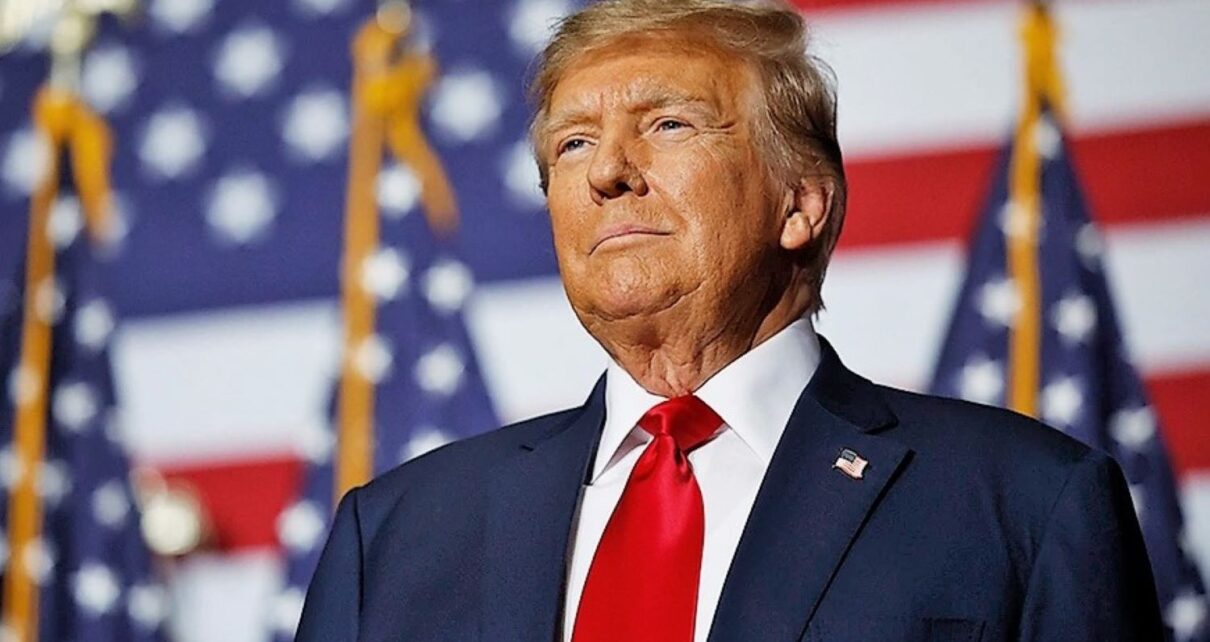
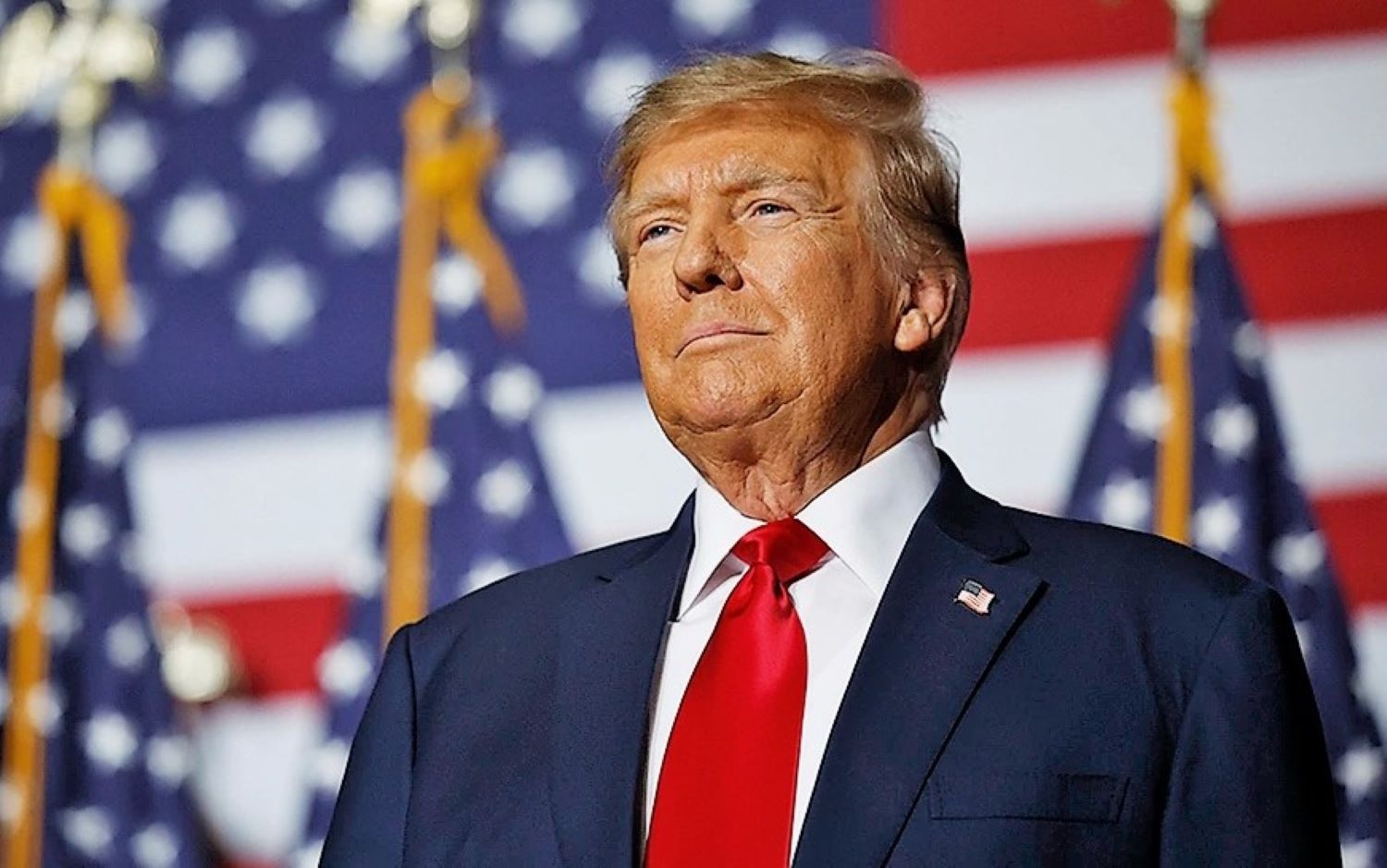
U.S. President Donald Trump has sent formal letters to 14 countries—mostly in Asia—warning that a new wave of import tariffs will come into effect on August 1 unless bilateral deals are reached. This is Trump’s second major tariff deadline in 2025, following a 90-day postponement granted in April, and marks an intensification of his administration’s high-stakes effort to reconfigure America’s trade balances.
While the U.S. frames the move as a corrective action against long-standing trade deficits, many governments view it as unilateral economic pressure that could unsettle the global trading system and rekindle protectionist tensions.
The countries affected—ranging from major exporters like Japan and South Korea to emerging markets such as Cambodia, Myanmar, and Laos—are now scrambling to navigate a difficult matrix of diplomacy, economic concessions, and political compromise.
President Trump, now in the third year of his second term, has adopted an aggressive trade policy that echoes his first-term strategy: use punitive tariffs not only to protect domestic industries but also to force foreign governments into bilateral trade concessions.
This round of tariffs is clearly targeted at countries with significant trade surpluses with the United States. Leading the list are:
Japan: $68.5 billion surplus
South Korea: $66 billion
Thailand: $45.6 billion
Indonesia: $17.9 billion
In his letters, Trump stated that unless “satisfactory deals” are signed by July 31, tariffs as high as 49% will be applied starting August 1. These proposed rates far exceed those allowed under World Trade Organization (WTO) norms, signaling Washington’s growing disdain for multilateral constraints.
While the initial April deadline created anxiety, most countries opted for dialogue over confrontation. With just weeks left before the new deadline, pressure has intensified.
South Korea:
South Korea, already impacted by earlier tariffs on its steel and automobile exports, now faces an additional 25% hike on remaining goods. Despite this, Seoul is cautiously optimistic.
After high-level talks with U.S. Secretary of State Marco Rubio on Monday, South Korea’s national security adviser Wi Sung-lac stated that the two allies hoped for “tangible and mutually beneficial outcomes.”
South Korea has offered increased agricultural imports from the U.S. and is reportedly considering a quota increase for U.S. liquefied natural gas (LNG) imports. With its economy deeply dependent on exports—and its security tied to U.S. military backing—South Korea’s balancing act is delicate.
Japan:
Japan, the United States’ closest military ally in Asia, has reacted with measured defiance. Facing a 25% tariff on cars and additional levies on electronics and machinery, Tokyo is under intense pressure. Yet it is resisting rapid compromise.
Prime Minister Shigeru Ishiba told his cabinet Tuesday that the tariff measures were “genuinely regrettable,” adding that Tokyo’s failure to strike a deal was rooted in its refusal to “make easy compromises.”
Japanese officials say U.S. demands—particularly on rice and vehicle market access—are politically impossible to meet without hurting farmers and small-scale automakers. “We have no intention of negotiating at the expense of agriculture,” Japan’s tariffs envoy Ryosei Akazawa declared Tuesday.
Behind the scenes, Japan is considering symbolic gestures, such as increased military equipment purchases from the U.S. and more agricultural exchange programs, to defuse tensions.
Indonesia:
Indonesia, Southeast Asia’s largest economy, faces a steep 32% tariff rate. However, Jakarta is among the most upbeat about a potential resolution. Chief Economic Minister Airlangga Hartarto is currently in Washington leading negotiations.
Indonesia has already pledged to import at least one million tons of U.S. wheat annually for the next five years, valued at $1.25 billion. Additional deals may include expanding LNG imports and increasing procurement of American-made farm machinery.
“Very optimistic about the negotiation,” presidential spokesman Hasan Nasbi said Tuesday. Jakarta sees this episode not as a crisis, but as a chance to deepen trade ties and boost food security.
Thailand:
Thailand, informed it will face 36% tariffs, is preparing to offer a multi-pronged response: more access to its agricultural market, increased energy purchases, and a massive potential aircraft deal with Boeing.
Bloomberg reports Thai Airways may purchase up to 80 Boeing jets over the next decade, a move that would significantly bolster the U.S. aerospace sector.
“We want a better deal,” said Acting Prime Minister Phumtham Wechayachai, adding that “the most important thing is that we maintain good relations with the U.S.” Finance Minister Pichai Chunhavajira further emphasized that Bangkok aims to reduce its trade surplus by 70% over five years.
This strategy—combining symbolic purchases with structural shifts—could serve as a model for other countries navigating similar pressures.
Bangladesh:
Bangladesh, the world’s second-largest garment exporter, is facing a devastating 35% tariff. Its massive textile industry, which exports to major U.S. brands like Vans, Timberland, and The North Face, is under direct threat.
The government is urgently seeking a deal, with Trade Minister Tipu Munshi flying to Washington next week. The goal is to finalize an agreement by early July that will preserve textile market access while offering new American exports in sectors like fertilizer and natural gas.
Given that 80% of Bangladesh’s exports are textiles, a deal is imperative not just for trade, but for political stability. The government is also considering defense purchases from U.S. firms as part of a broader package.
Southeast Asia
Cambodia, Myanmar, and Laos have been hit with some of the harshest tariffs—up to 49% in Cambodia’s case, reduced slightly to 36% in Monday’s letter. These nations are heavily tied to Chinese investments and logistics networks.
U.S. officials argue that Chinese goods are being rerouted through Southeast Asian countries to bypass tariffs aimed directly at China. While these countries deny wrongdoing, they have limited leverage.
Cambodian Prime Minister Hun Manet assured Washington of “good faith,” agreeing to reduce tariffs on 19 U.S. product categories. However, deeper structural changes remain unlikely given China’s grip on the local economy.
Myanmar and Laos, each facing 40% tariffs, have yet to engage in meaningful negotiations. With their economies heavily reliant on Chinese supply chains, they are seen as symbolic targets meant to signal to Beijing that Washington is tightening its enforcement net.
Malaysia:
Malaysia, with its diversified economy, is facing 25% tariffs. Its trade ministry announced Tuesday it will “continue negotiations to reach a balanced, mutually beneficial, and comprehensive trade agreement.”
While Kuala Lumpur has not revealed specific concessions, insiders suggest a possible increase in U.S. LNG imports and a boost in palm oil-based biodiesel exports to the U.S., which may find favor with both Trump’s energy agenda and American agricultural lobbies.
Beyond trade imbalances, Trump’s tariff blitz carries a broader strategic message. By targeting economies with close Chinese ties, the U.S. is seeking to fracture Beijing’s regional economic influence.
China is the largest trading partner of most Southeast Asian countries. Washington’s move could force these nations to recalibrate their alignment, either diversifying away from China or engaging more deeply with the U.S. under duress.
Moreover, Trump’s decisions come amid heightened U.S.-China tensions over Taiwan, South China Sea militarization, and cyberespionage. Trade, in this context, is both a weapon and a wedge.
With less than a month to go, the clock is ticking. While some countries—like South Korea and Indonesia—may successfully strike last-minute deals, others face a stark choice: submit to Trump’s demands or risk economic blowback.
Global markets are already jittery. Wall Street saw a mild correction last week, while Asian currencies including the Korean won, Thai baht, and Japanese yen weakened amid uncertainty.
The WTO, whose rules Trump continues to flout, has so far been powerless. Critics warn that a wave of unilateral tariffs could unravel decades of global trade cooperation.
For Trump, however, the logic is clear: tariffs work.
“Other presidents talked about trade fairness. I’m making it happen,” he said at a rally last week in Ohio. “If they want access to our great American market, they’ve got to play fair. Simple.”