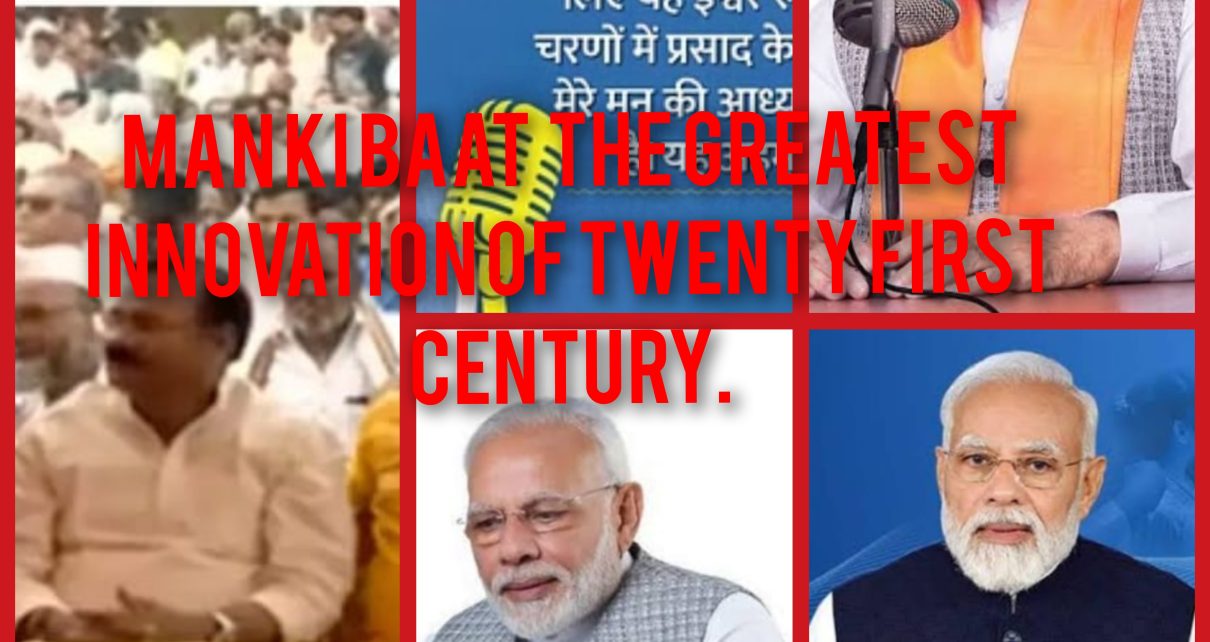
Why Man ki Baat is the greatest global innovation of twenty first century
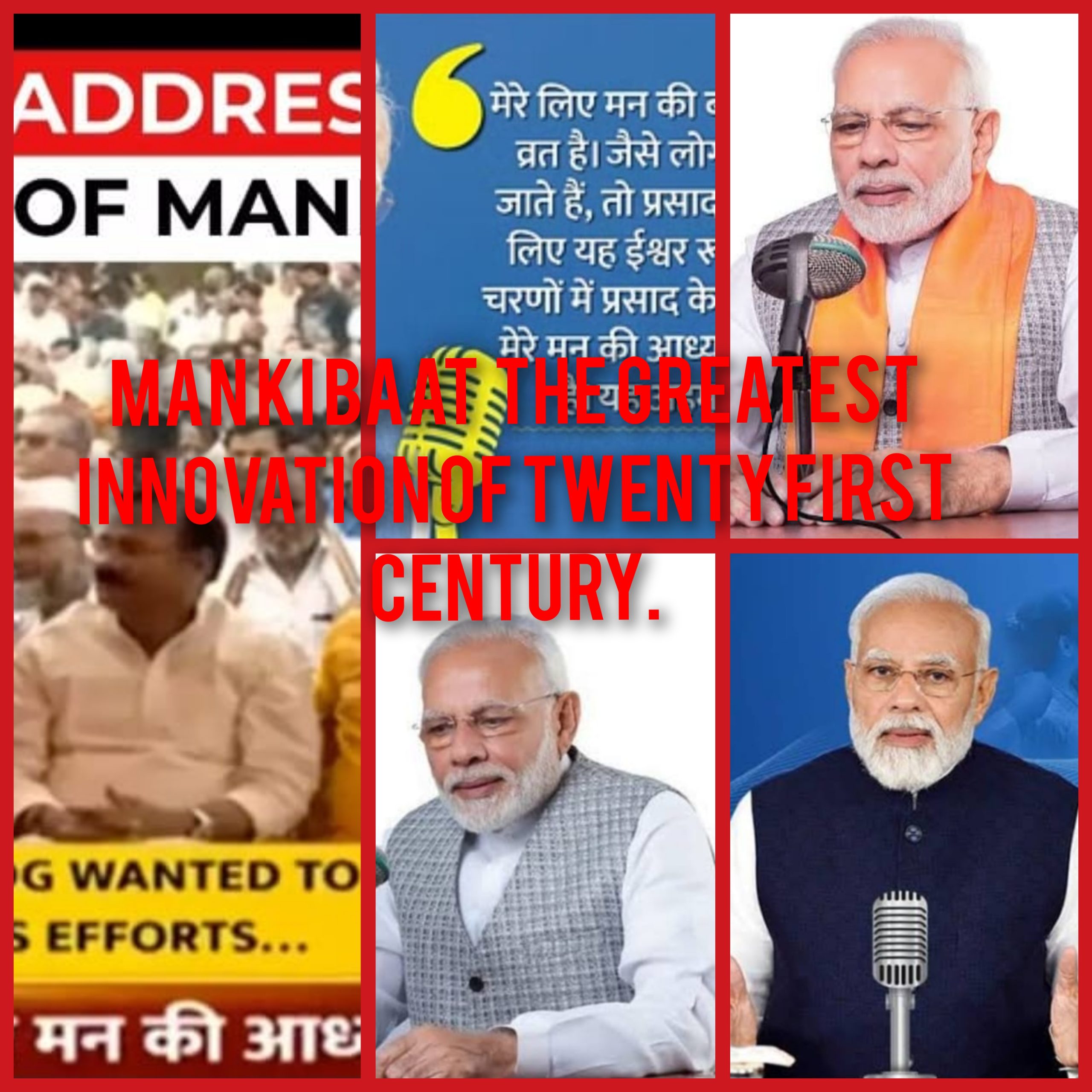 Vivekanand Jha, Ranchi. As I heard Sri Narendra Modi’s Man ki Baat, my mind flew into the past decades, as the nostalgia of the resplendent past, engulfed me in its sweetest of tentacles: how decades ago, especially during my days of juvenility, I had got a radio created by my friend then: Poppy, alias Anup Chatterjee, who had learnt the technology of making a radio by himself. Significantly, the heart- felt joy unspeakable I experienced beholding the radio in my possession now. Oh! the very remotest of imagination that I could hear Amin Sahini, the songs of Rafi Sahab, Lata Mangeshkar, Kishore da, filled me with the sense of an enraptured ecstasy. But then, barely had I switched on, the sound far from being sonorous, was discordant: a cracking sound invariably would drawn the voice of radio. Nonetheless, the way a toy sets a child into the state of euphoria, I too, notwithstanding the inherent flaws the radio apparently showcased, remained overwhelmingly fixated with it. Little wonder then, with the tuning of radio, the cracking sound that it engendered in its wake, would create a nauseating sense of despairing frustration to our neighbours, yet for me it was a celestial joy that the sound of radio brought in its wake.
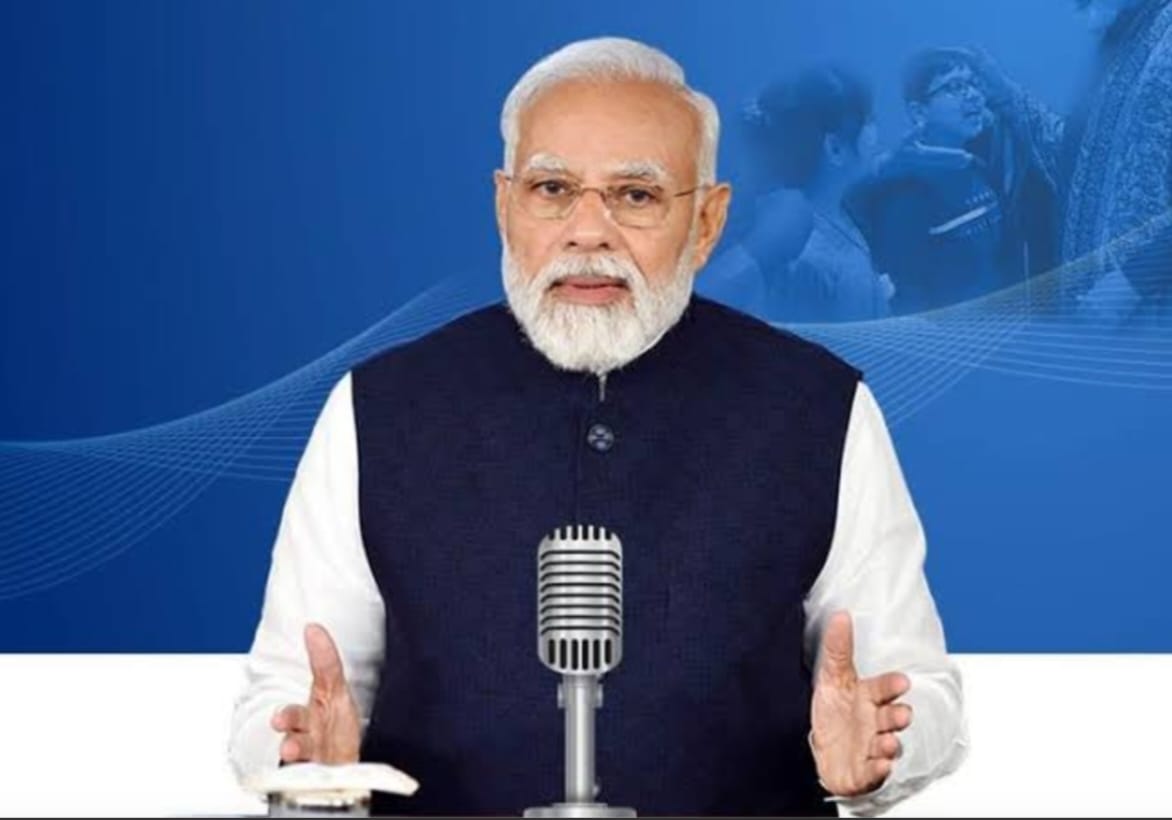
Those, in fact, were the days of Radio; television, even though had arrived, yet it remained the prerogatives of fewest of few. The cricket, already having electrified the nation into a stunning fixation, became the mass obsession only through the medium of radio. Richi Benaud, the great commentator– perhaps, even till date, he remains my best commentator–would be joyfully commentating, ‘ Bob Wills runs into us to bowl to Sunny Gavaskar, who has taken his stands and awaits this upcoming delivery of Bob Willis’. But then, suddenly one day Television took over; the ubiquitous and omniscient face of radio adorning homes –both metropolises and the remotest villages–gradually started paving ways for the new invention which, apart from audio, had the inbuilt facility of visuals too. Thus radio, once the darling of the masses; the inevitable source of entertainment, had to pave the way for the new invention. Radio, once the obsession of the masses–even the BBC news was popular in villages –now became the thing of the past. Hence, the doctrinaire belief of Bhagwat Gita that ‘ Change alone is the permanent feature of this world’, was self- manifest: radio, which was construed to be the precious possession of one and all, especially in villages, in no time, proved to be obsolete. The pleasant spectacle of workers in villages, migrating to towns and cities for their employments, as and when they would return, were shown to be walking with an element of swagger, radio snuggled closer to their ears. Indeed it became a status symbol for the labourers’ exhibition of ostentatious. Also, in marriages too, radio was sought as the part of dowry. Indeed those were the gala days of radio.
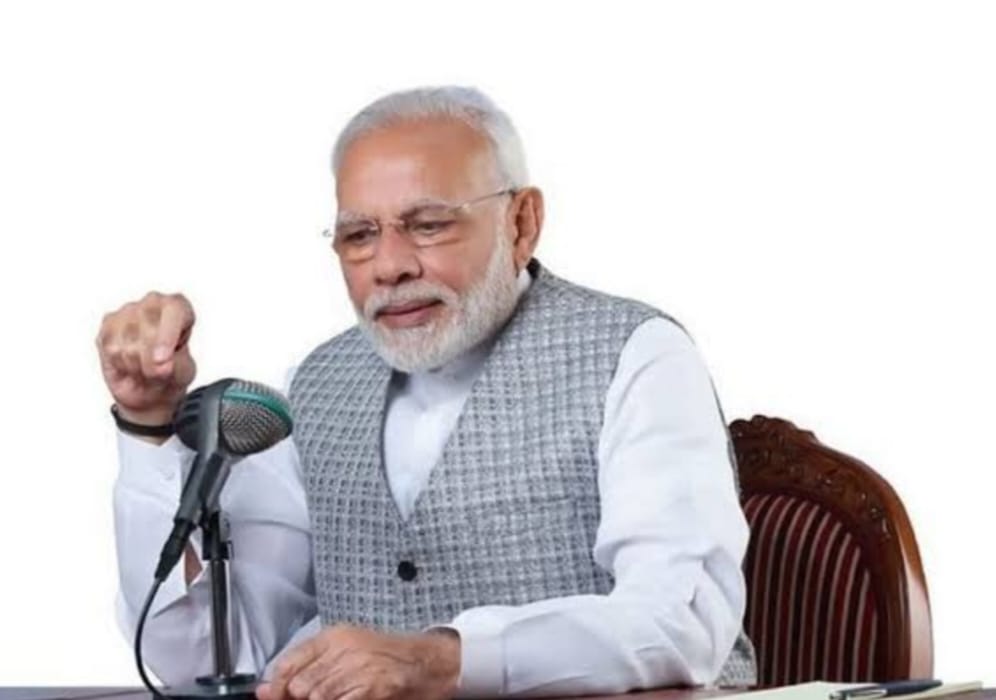
Dhiru Bhai Ambani, India’s pioneer business tycoon to innovate with an idea of raising funds through public issue, had famously said, ‘ Think ahead, act fast, idea is nobody’s monopoly’. The age of globalisation had swept aside many existing monopolies and brought the new innovations and inventions on the surface: whereas obituaries were written for radio, a new welcome sign was institutionalised for T. V and later, for Computer; soon mobile too hit the public domain. Unequivocally then, the ubiquitous face of radio had suddenly disappeared from the public. Even mobile, which initially was the prerogatives of few, became the possession of masses. Hence against the backdrop of the online revolution, the whirlpool of the latest technology forcibly banished the outdated and obsolete radio. Significantly, the time has changed: radio as an instrument of knowledge as well as a pride possession, was condescendingly reduced to an inconsequential state of atrophy.
2014 in many ways, had contributed to metamorphosis of India: The upending of the political vision hitherto institutionalised in the polity to that of technological revolution stirring the national conscience. Significantly, the biggest global innovation that the world has witnessed was: Man ki Baat, along with the revival of moribund radio culture. It is the greatest global innovation of twenty first century. Interestingly, Man Ki Baat, not only resurrects the moribund radio from its ruins, but has substantially contributed towards evolving the best tool for prime ministerial communication with the fellow citizens of India. Evidently, with the commencement of Man ki Baat show, the old importance of TV interviews which journalists would pompously showcase as their pivotal achievements, proved to be obsolete in no time; in fact, gone were the days when the journalists of national English dailes would make a beeline to interview the prime minister to highlight his views to the fellow citizens of this country. In fact, it would hardly be an exaggeration to say, that the arrival of Narendra Modi in Delhi Durbar, had taken the wind out of the sail of traditional media; in fact, he was the pioneer in revolutionising the social media, and others followed his footsteps.
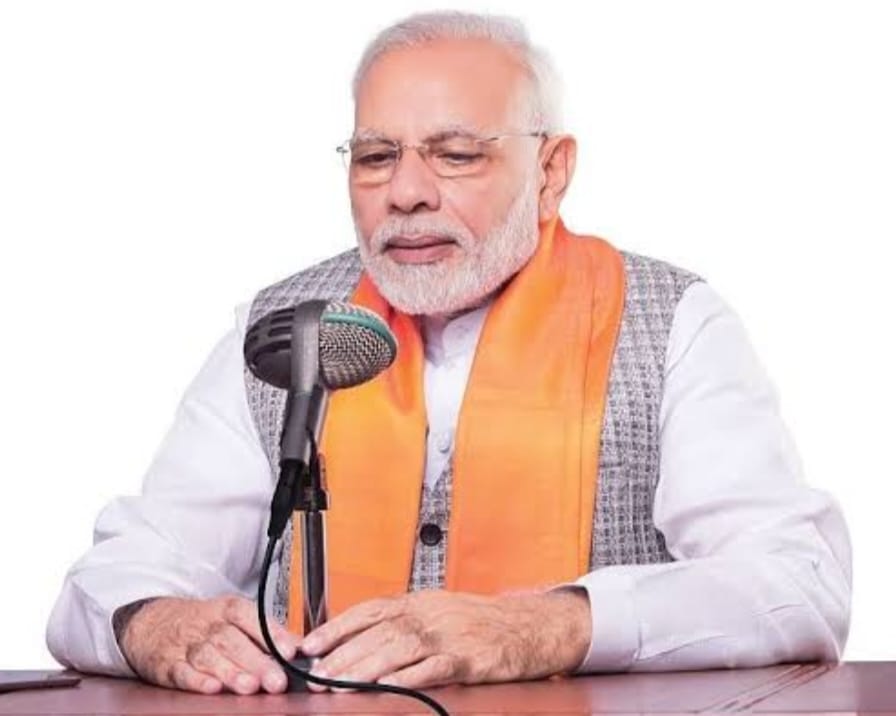
Significantly, with the benefits of hindsight, the world wide celebration of 100th episode of Man ki Baat was the extraordinary event in the nation’s history. Moreover, the overall viewership of the program has almost exceeded 100th crore, is the new global milestone in this twenty first century. Further, Man ki Baat is not only a prime ministerial communication with the fellow citizens, it is also the pep talk, where the names of over 700 achievers were quoted by the prime minister to galvanise the nation. Little wonder then, it is a revolution today when, as in the old times, people remain glued to radios yet again to hear Man ki Baat. Whereas other programs like Radio Mirchi, which are equally invigorating, however, Man ki Baat is the genuine revolution where the long jettisoned radio, once again has attained the limelight. Incidentally, whereas none of the predecessors of Narendra Modi could dare to think beyond the traditional media, it was Narendra Modi who dared to revive the tool of mass communication with gusto. Unequivocally then, it is the resurrection of potent tool of mass communication, which has made the traditional media look redundant; the primacy of public space the traditional media enjoyed before 2014, almost appears to have evaporated in no time. This is the biggest achievement of prime minister Modi; in fact, his one of the process legacies for the posterity to relish and cherish.
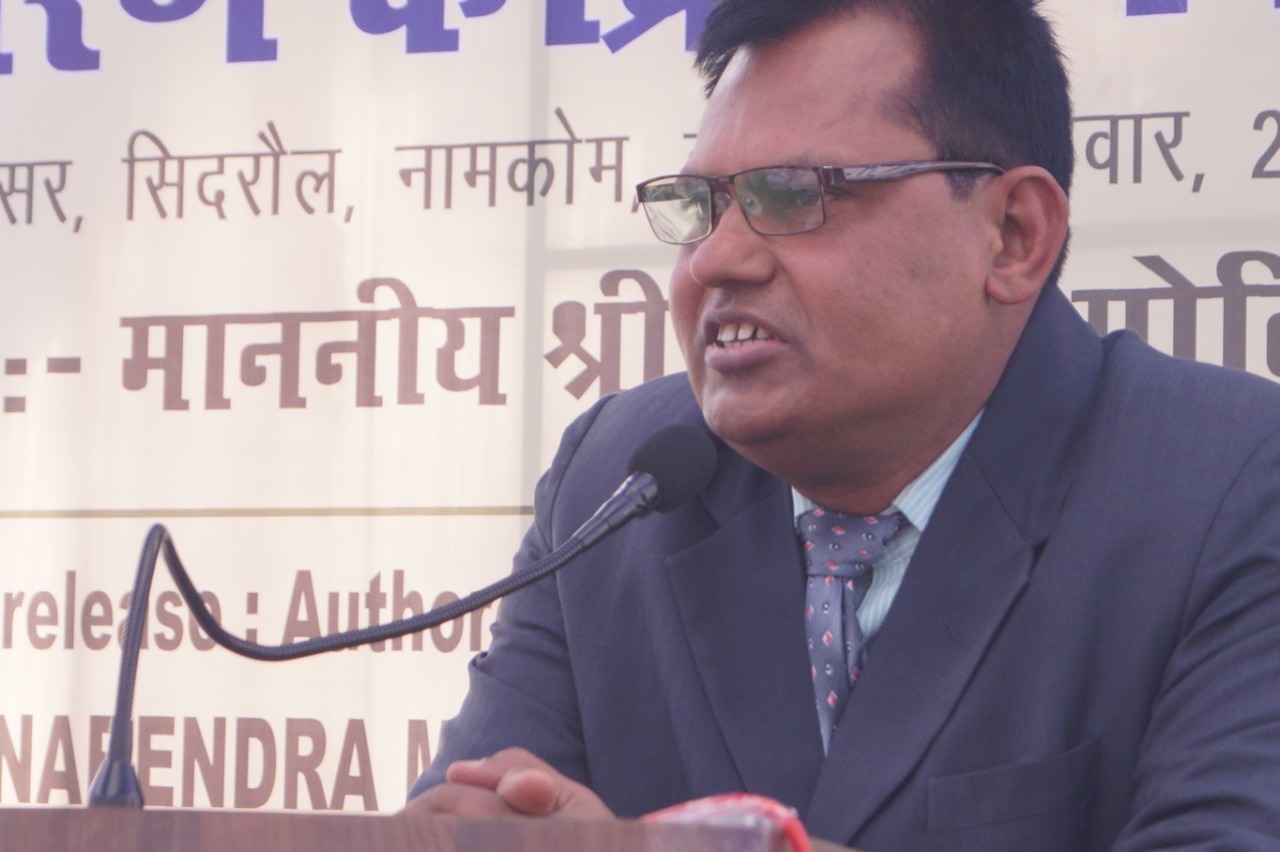
Vivekanand Jha
Author, Academician and a Public Intellectual. He is also the Convener of Education pe Charcha, which has finished 92 episodes.
[01/05, 09:25] Vivekanand Jha Ranchi: Why Man ki Baat is the greatest global innovation of twenty first century.