 Kathmandu, August 4, 2025.
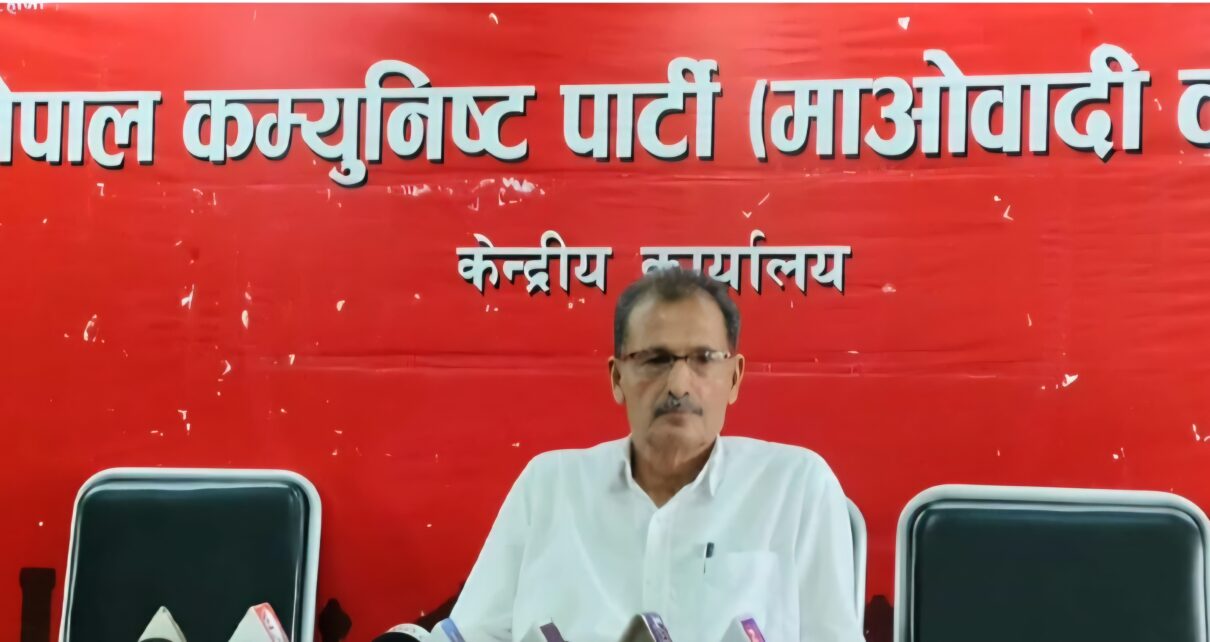
The ruling coalition partner, CPN (Maoist Centre), has concluded its Standing Committee meeting, which began on July 31 (16th Shrawan), with the endorsement of 26 major resolutions addressing pressing political, social, and economic issues in the country.
The party expressed deep concern over the worsening water crisis in the Terai-Madhesh region, attributing it to environmental degradation and government negligence. It demanded immediate relief for affected farmers and long-term sustainable plans for agricultural self-reliance.
On the economic front, the Maoist Centre called for strong measures to control inflation and black marketing, especially ahead of the festive season. It also urged the government to immediately pass the School Education Bill and implement agreements reached with teachers’ unions.
The party strongly condemned the lack of action against those involved in cooperative frauds, demanding strict legal action and compensation for victims. Similarly, corruption at high levels of government, including among ministers, was criticized, with a demand for a powerful, independent anti-corruption commission to investigate public officials’ assets.
Internationally, the party expressed serious concern over the ongoing conflict in the Middle East, especially the humanitarian crisis in Gaza. It endorsed the two-state solution for Palestine and called for the release of Nepali citizen Bipin Joshi, held hostage by Hamas, while urging the government to take proactive diplomatic steps to ensure the safety of Nepalis abroad.
The meeting also highlighted the delays in post-earthquake reconstruction in Jajarkot and Rukum, and emphasized the need to expedite rehabilitation in flood-affected areas like Rasuwa.
Among other resolutions, the party:
Opposed the reduction of subsidies to sugarcane and dairy farmers and demanded prompt payment of government dues.
Called for a rise in minimum wages for informal sector workers.
Denounced political interference in the education sector, especially in universities, urging merit-based reforms.
Demanded immediate action to fill vacant positions in constitutional bodies like the Election Commission.
Rejected the government’s alleged attempt to introduce land-related bills favoring land mafias.
Expressed concern over frequent power cuts and rising transmission losses, calling for transparency and reform in the energy sector.
Opposed budget cuts in the youth startup program and demanded scientific and innovation-driven investment.
The Maoist Centre concluded the meeting by calling on all political and social forces to unite on issues of governance, democracy, and livelihood, and to resist the growing influence of brokers and middlemen in policy decisions.