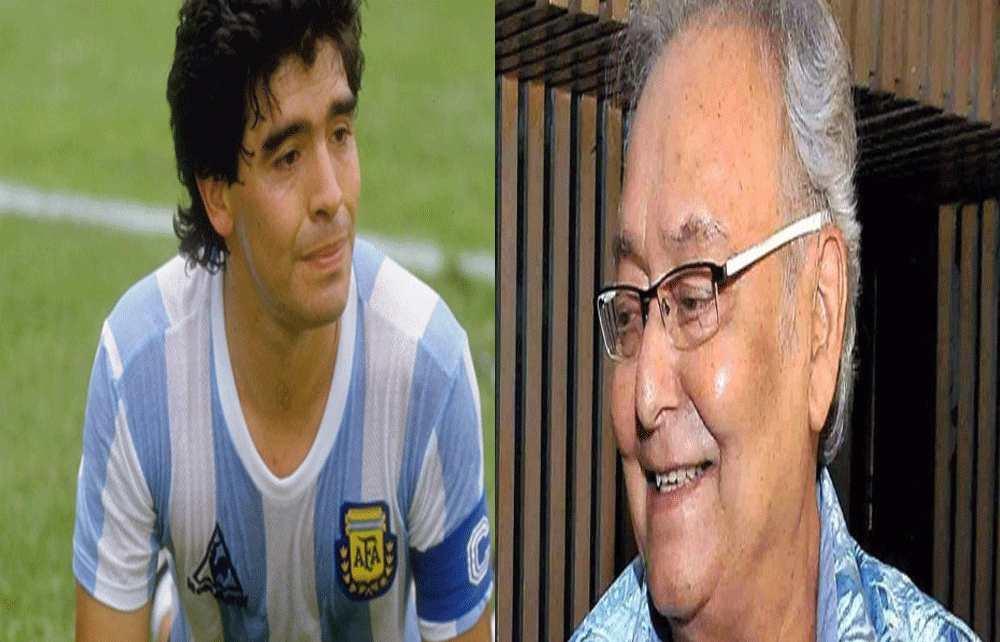
When Kolkata in particular, and the world in general, had lost two of its greatest icons in a quick succession: first, versatile gentlemanly actor, Soumitra Chatterjee, and now, world’s footballing icon of icons: Diego Maradona.
Vivekanand Jha Ranchi: Hailing from Kolkata, I have, like any other denizen of that great metropolis, ingrained two most conspicuous traits: cultivating a colossal love for football and rooting for movies. ‘Calcutta’, as Jawaharlal Nehru, the first Prime Minister of India, had said, ‘is the cultural capital of India’, stands so unambiguously vindicated in the span of barely a week: First, the great metropolis had lost one of its brand cultural ambassadors, and on 25th of November, 2020, it had lost another icon of icons, Diego Maradona, who, despite being an outsider, appeared as the boy next door who kept the city in its endless thrall. As the deluge of the recollection of my days of glorious adulthood stepping in, bidding an eternal farewell to the adolescence gone by, thus arose on the horizon of the most happening metropolis in the world: Calcutta, the incumbent city of Calcutta.
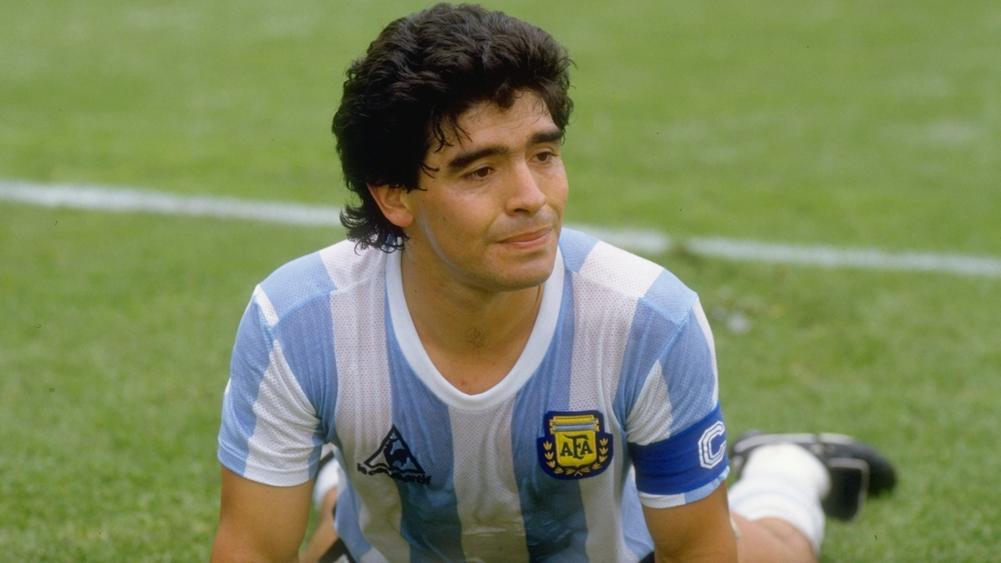
The city of joy, which so uniquely boasts of the mushrooming mini Parliaments, in every nook and corner of Calcutta, had hotly debated just one topic in the wake of the World Cup final match between Argentina and England, and the famous iconic goal of Diego Maradona, which although was a handball, yet because of the melee formed near the goal post, was not ostensible to the referee who, inadvertently though, yet gave the credit for the goal to Argentina. The next day, the magician of football, had attributed the goal to the ‘Hand Of God’. No wonder the newspapers across the world had screamed ‘The hand of God cost England dear’. But more than the screaming of the headlines of daily newspapers, across the world, debating about the controversial goal, there was another sensational twist given to the whole saga: Argentina had avenged its defeat in the Falkland war, in the battle of soccer. Significantly, as the elites debated about that legendary hand of God over the cup of tea, in their drawing room, the youth of the city, in a greater degree of ferocity, were screaming aloud in their own Adda, the battle grounds that were set agog with the incendiary exchange of filibusters that held the potential for putting the most garullous of parliamentarians to shame. In our own adds, which would be set afire by many of my friends enriching the debate on that day, ‘Oh, what a goal it was, Diego is the greatest footballer of the world’. Interestingly, while my friends were divided between Brazil and Arjentina, and therefore, those like Jhintu, Ramesh, the avowed supporters of Brazil, would put their own contention to the raging debate: ‘ Agreed it was Maradona’s day, but don’t rate him above Pele’, Ramesh would burst forth.
Despite the argument would hot up centering on Pele and Maradona, there was an apparent uniformity across my friends at adda: All of us were happy that our colonizer stood decimated. Diego Maradona became the household name in Calcutta, from that iconic Goal Of The Century. In the World Cup 1990, Diego Maradona had been catapulted to the position of being the God of football. The entire city came to the halt when Diego Maradona had taken to the field. Perhaps none ever-even Pele’s taking to the field in Calcutta against Mohan Began, would not have excited the denizens as much as Diego Maradona’s taking to the field had caused every time he would take to the field. In the famous Semi final match, which Argentina won finally, witnessed Diego Maradona being targeted by the number of players from Italy, rendering him almost (NPA, yet he showed his resplendent brilliance in one of his free kicks. However, while Maradona was bogged down by the scores of Italians, Claudio Cannigia had shone brilliantly as a striker. Unfortunately, the world was robbed when Diego was robbed of his appearance in the final match when he was shown the yellow card, penalising him from appearing for the final. Consequently, the whole world had plunged in an unprecedented sorrow, as the prospect of Diego’s absence against the West Germany was conspicuously felt. Nonetheless, the Argentina, in the absence of a Titan, played the match on the slogan: ‘Let us play for Diego’, yet it lost against the formidable rival, West Germany. That Semi Final match would always remain etched in the minds of the generation that had watched the magnetic dribbling exhibition of the magician of the soccer on that golden occasion. In other words, the denizens of Calcutta in particular, held him as their hero. In fact, none kept the Bengalese in thrall as Diego Maradona had for decades.
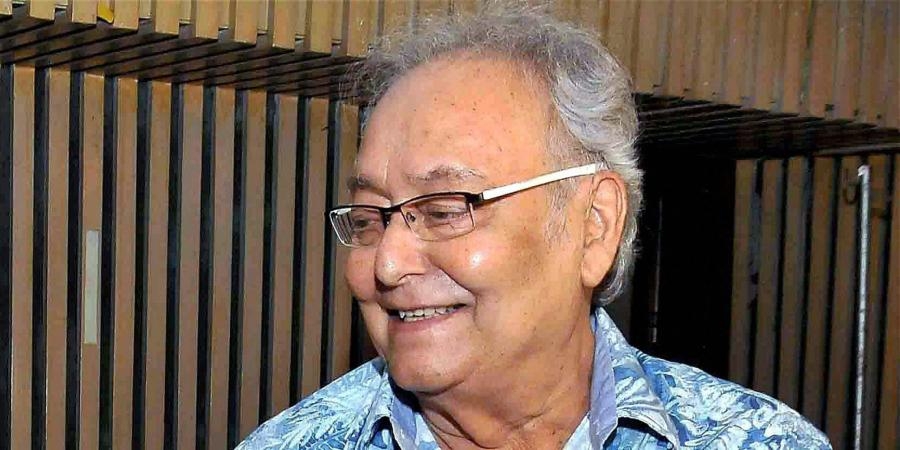
Unfortunately, couples of days ago, Kolkata had mourned the passing away of another legend, an icon who defined the glory of Bhadralok culture of West Bengal, Soumitro Chatterjee. Soumitra, who dominated the psyche of Bengalese for decades, was held, along with that of a matinee idol, Uttam Kumar, to have defined the voice of Bengali intelligentsia for decades. While Uttam Kumar was the superstar, Soumitra Chatterjee personified the versatility of talent. With his debute in Apur Sansar, which was the World famous movie, showed the aesthetic beauty of innocence of those who live in villages and subsequently experience the life in metropolis. Pairing with Sharmila Tagore, who was just 13, while the former was 23, touched the chord with the generations of Bengalese. Later, acting together with Uttam Kumar, in Jhinder Bandi, where he played a negative role, almost had eclipsed the superstar. Much like, Sanjeev Kumar, in Sangharsha, where he had almost dwarfed Dilip Kumar, prompting Dilip Kumar to work again with Sanjeev Kumar, in Vidhata. In Charulata, Soumitra, yet again had won the heart of the people. Teaming with the titan, Satyajit Ray, Soumitra had become household name as Feluda, in Sonar Kella, and Jai Baba Felunath. But as the curtain downs on every individual born on earth, so was with the legend Soumitra Chatterjee.
With his departure, an era had come to an end. Yet there was one positive takeaway: Never any politician had captured such an outpouring of people’s emotion and media coverage as the darling of the masses as Soumitra Babu has captured. No wonder then it was a double whammy, when West Bengal has lost two of its greatest idols and icons who kept the generations in thrall. With heavy heart, the people of West Bengal in particular and the world in general, bids farewell to the two of the greatest icons that have become residents of their hearts for decades: Soumitra Chatterjee, a thespian, film actor, writer and an intellectual, and Diego Maradona, the legend who many believe, was the greatest footballer ever born.