
August 7, 2025, Washington D.C.: Despite repeated claims by former President Donald Trump that foreign nations would bear the cost of U.S. tariffs, multiple studies now reveal that it is the American consumer and producer who are paying the real price.
Following the reintroduction and escalation of “reciprocal” tariffs, postponed since April, nearly all U.S. trading partners are now subject to import duties ranging between 10% and 50%. Though the policy was intended to reduce trade deficits and encourage domestic production, its unintended consequences are starting to emerge.
Tariff Classification by Country:
10% for countries with both trade and security ties with the U.S.
15% for deficit countries with strategic ties (e.g., Japan, South Korea)
19% for countries with favorable trade pacts
22.1% average for remaining Asian nations
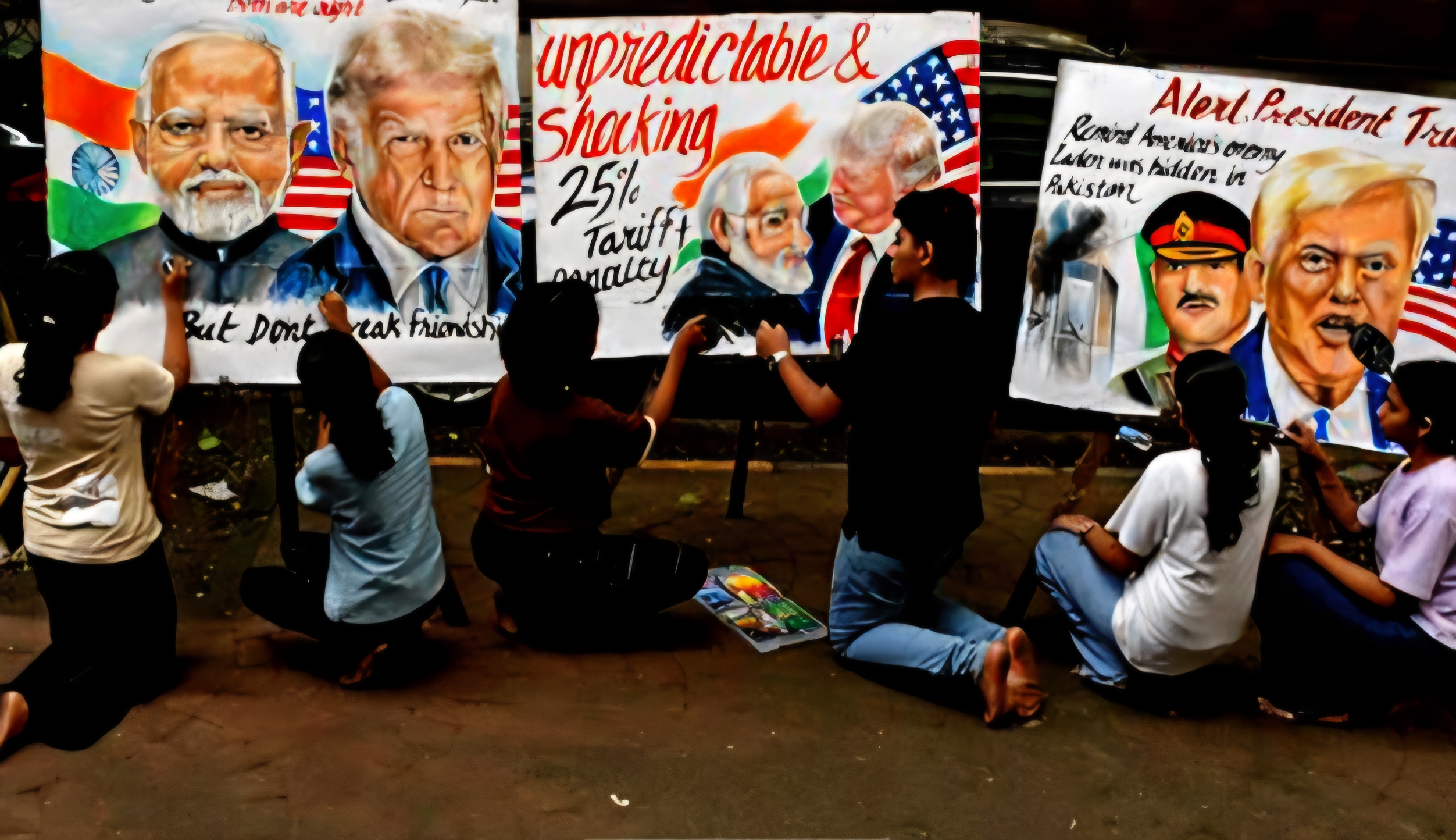
25% for India, with potential additional penalties for trading with Russia
So far, only China and Canada have responded with retaliatory tariffs. Other nations have chosen to negotiate rather than risk further economic backlash and possible restrictions on access to the U.S. market.
Concessions to the U.S.:
Several countries, including India, South Korea, and even the European Union, have accepted the new tariffs to maintain access to U.S. markets. These deals include:
Reductions in tariffs on U.S. goods
Commitments to purchase American agricultural, energy, and aviation products
Amendments to internal trade and regulatory policies
Despite public protests in some nations, these compromises reflect concerns over losing American strategic and economic cooperation—especially in light of the U.S.’s evolving Russia–Ukraine policy.
Real Burden Falls on U.S. Consumers and Companies:
Economists warn that tariffs ultimately function as a domestic tax. They raise costs on both finished goods and intermediary components essential to American manufacturing.
General Motors reported a $1.1 billion loss in Q2 2025 due to tariffs.
A new 50% tariff on copper implemented on August 1 caused prices to jump 13% in a single day, affecting sectors from plumbing to electrical wiring.
A study by Yale Budget Lab estimates that this year’s tariffs will cause consumer prices to rise by only 1.8%, possibly due to stockpiling by importers or companies absorbing costs in hopes the tariffs will be rolled back.
Highest Tariff Rates Since 1934:
Before Trump took office in January: 2.4% average
As of August 2025: 18.3% average — a fivefold increase
This means the average American is now paying significantly more tax on imported goods, with mid-to-long-term economic consequences looming
Economic Warning Signs:
Recent economic indicators have triggered alarm:
Sluggish job creation
Declining private sector investment
Uncertainty over constantly changing tariff policies
The U.S. Federal Reserve has held interest rates steady, though Trump has pressured Chairman Jerome Powell to raise them. After disappointing labor data was released on August 1, Trump reportedly dismissed the head of the Bureau of Labor Statistics—an action that has raised concerns over the politicization of official economic data.
Conclusion:
While Trump’s tariff policies may have yielded short-term political leverage, the long-term implications for American households, businesses, and the broader economy appear increasingly dire. If current trends persist, economists warn the country could face a self-inflicted economic slowdown.