The united Bharatvarsha, the land of Sanatanis, stood fragmented by the visceral hatred of one community against the other; the unprecedented bloodshed which contributed towards the creation of Pakistan, an Islamic nation, stands today ravaged by the back breaking economic distress and an eventual impending doom, which can only be reversed, if Pakistan reconciles to its Sanatan roots; to seek refuge in the bosom of Mother India, the way an estranged child, in the wake of being chastened by the circumstances, reviled and devastated by the situation, ultimately finds solace in mother’s lap, Pakistanis too, shedding all their misgivings and suspicion, return to the bosom of Mother India, the latter will embrace her estranged children to her bosom to reconstitute the geographical boundary of Bharatvarsha as ‘One Nation, One people.
Vivekanand Jha Ranchi: Narendra Modi’s advent to Delhi Durbar in 2014, willy-nilly brought in its wake a resurgence of a new awakening not only in India, but across the Asian sub-continent: his first swearing in ceremony, which provided a new beginning for South Asian continent, spectacularly showcased the conspicuous presence of all the close neighbours: from Pakistan to Bangladesh; from Srilanka to Myanmar to Nepal, the heads of all these nations gathered on the occasion, even though in the sartorial sense, nonetheless conveyed the beginning of an era when a new friendship was extended by Indian Prime Minister, giving a goodbye to the institutionalised hostility, especially between India and Pakistan, and heralding an equality among the South Asian nations. This was hitherto the most touching goodwill gesture showcased at the highest political and diplomatic level which, if accepted by Pakistan military establishment and ISI, the elusive peace and tranquility between the two warring nations must have returned to bless this primordial land of Sanatan Civilisation.
Significantly, Nawaz Shariff, the then Prime Minister of Pakistan, sweating in the sultry heat of Delhi in the fag end of May, exhibiting a fidgeting sense over the physical discomfiture, yet persevering to reciprocate his Indian counterpart’s large heartedness to usher in the peace and fraternity, was indeed commendable. Beholding the two prime ministers greeting each other in a new fraternal bonding, my mind dug deeper into our sophomoric years in Calcutta when we all would speculate about the cricket team if Pakistan was never a reality. How Sunil Gavaskar, Majid Khan would open the innings, and how Imran Khan would bowl along with Kapil Dev, with Zahir Abbas and Javed Miandad would be stitched in the middle batting order, along with Dilip Vengsarkar and Gundappa Vishwanath –would be our primary topic of boyish exuberance at our famous Adda. However, the meeting between the South Asian neighbours had only a fleeting impact; the diplomatic manoeuvres to buy peace through goodwill gesture, I felt, with the benefits of aftermath effects, contributed towards the public showcasing of postures with the least intention to match them in reality. The deadly intention of bleeding India through thousand cuts, remained the overwhelming intent and raison d’etre of Pakistani military establishment, the peace and fraternity between the two nations shall ever remain in limbo, hostage to the whimsicality of the military power in Pakistan. Despite my best of intentions and wishes for the success of Modi diplomacy, I felt it was a meeting between Shivaji and Afzal Khan where both were showing bonhomie outwardly, yet inwardly each was looking for an opportunity to eliminate the other.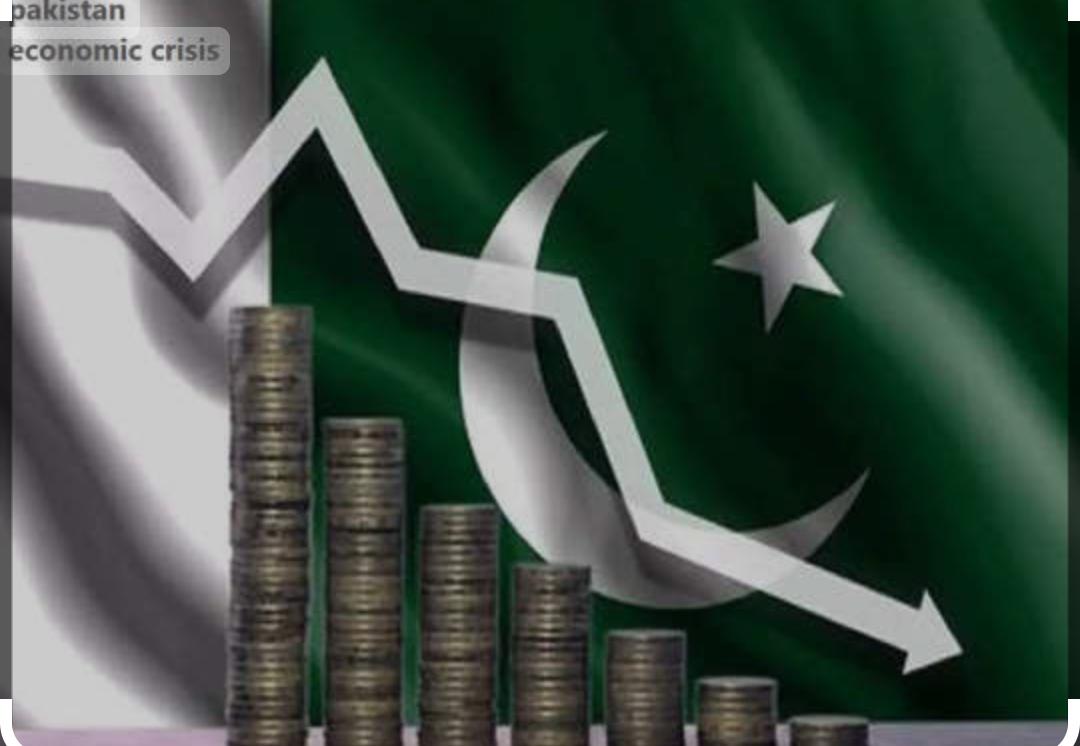
India and Pakistan, despite being at the daggers drawn at each other, emanates from the same culture, even though from different religions. However, the ancestry of Muslims, at least in 95 percent cases, are the same: They are Sanatanis. No wonder, embracing Islam, a religion of Arab, could not overwhelm them to get rid of their millennia old custom: The Mehadi rasham in Pakistan, which is celebrated with gaiety and enthusiasm, had no linkages with Islam; it is, in fact, the age old practice of Sanatan Civilisation. Unequivocally then, it is the cultural nationalism which makes India and Pakistan inseparable. Also, the wishes and aspiration of a separate Islamic nation for Muslims, the pet dream of Jinnah, which he sold with a profound optimism, incontrovertibly stands upended at the altar of the ground reality–the Muslims who stayed back in India, despite certain discrepancies and incompatibilities, remains the integral part of the success story of India, yet those who sought implementation of Sharia as their raison d’etre, a few decades hence, now are openly calling for their return to India. Amazingly, they want Pakistan to be a part of India. What does this suggest? This, in fact, suggests the glory of Sanatan values, which its progeny, Hinduism, has remarkably showcased for the world: ‘ Vasudaiv Kutumbakam’, we are the sons and daughters of the same god and therefore the entire world is one family. India and Hinduism stand vindicated today.
 on 3rd January 1990, the world had witnessed the process of reunification of East and West Germany, when the Berlin Wall was dismantled in 1989, leading to the reunification of both the countries on 3rd January, 1990. Significantly, United Germany, divided between the East and West, remained the two different sovereigns. Worse still, the two different countries had many commonalties: language, religion, culture etc. However, there was a fundamental difference: While West Germany was affluent, East Germany was an impoverished one. Yet the unification took place. two different peoples became one, on account of unification. However, the situation between India and Pakistan has the inherent contradiction: Whereas India remains a majority Hindu Country; Pakistan, an Islamic nation, even though both had the common roots in Sanatan. It is this Sanatan roots in itself can be a binding factor, if religions take the back seat. But the moot point is, will it ever be a reality in a country which is dominated by the military who owe their existence to the growing hostility towards India, is a million dollars question?
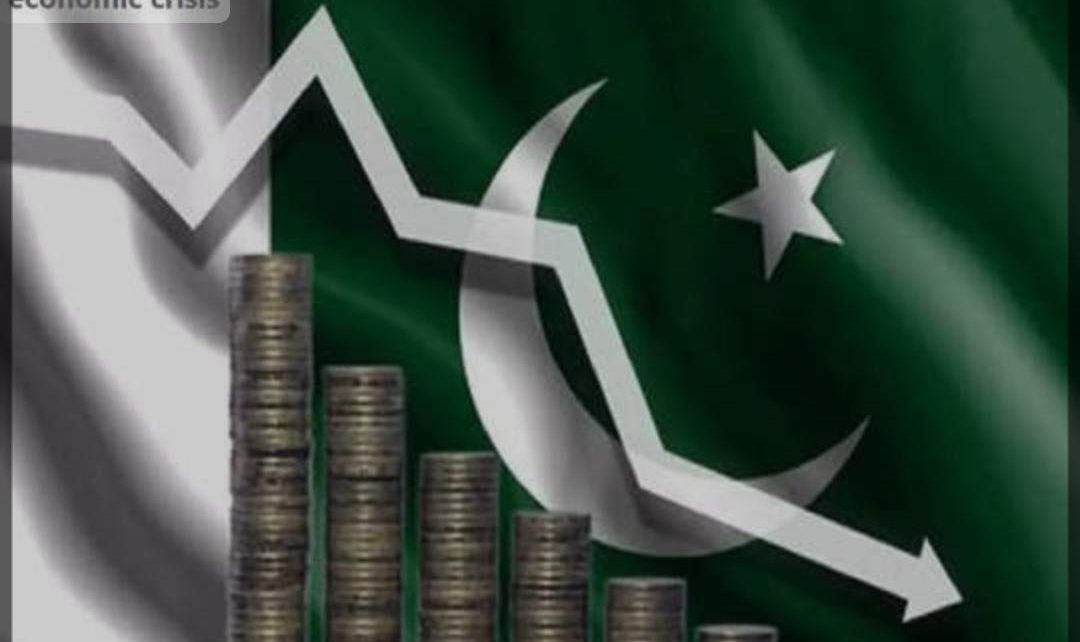
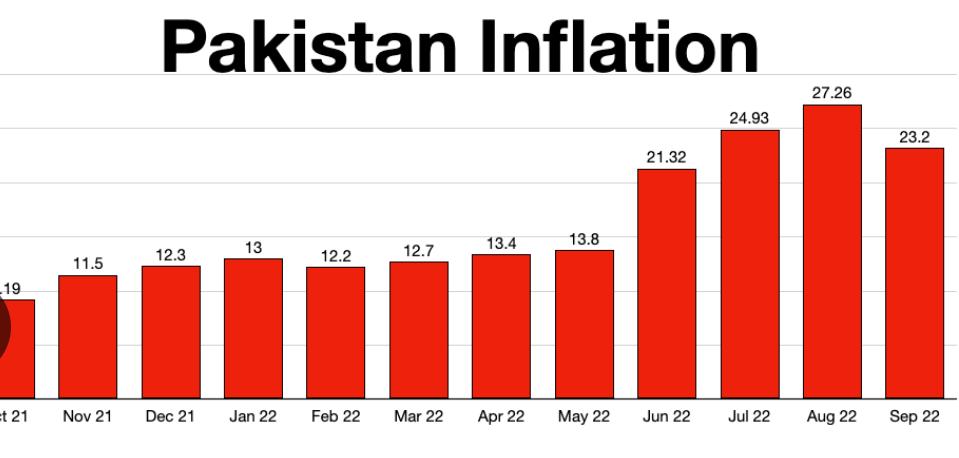
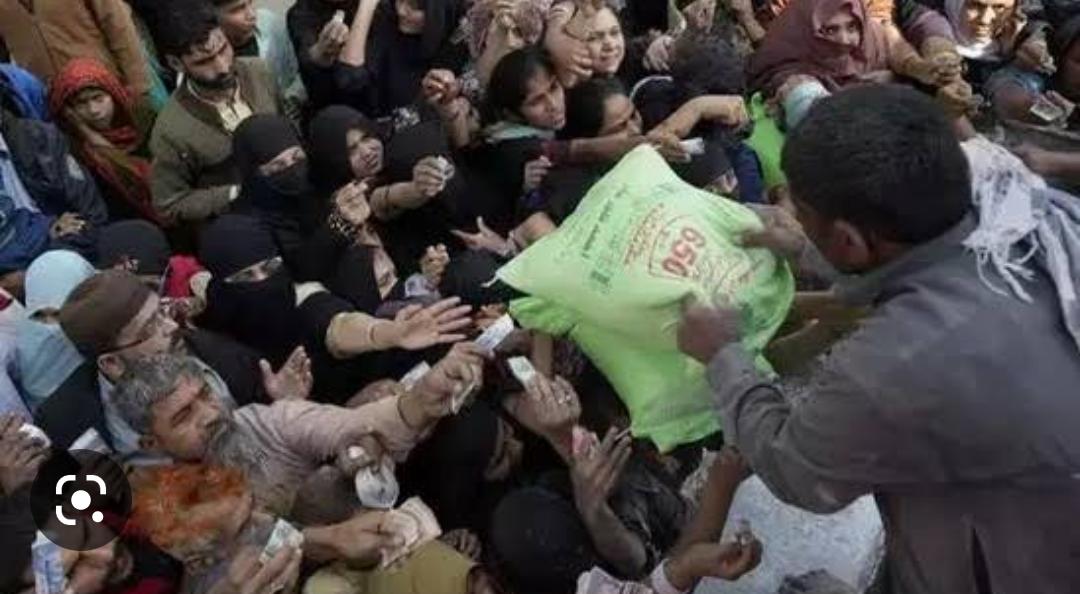
Today, Pakistan is the failed state, almost on the verge of collapse. The cost of essential commodities have unconscionably gone up: even the flour is sold at rupees 300; there was a stampede for getting the flour as it was distributed through the government channel, resulting in the death of two people on the spot. The situation is bound to degenerate with Pakistan getting snubbed from everywhere it goes with the begging bowl. The common people there are living like beggars while few far cats are still making the show of pomp and grandeur. It is this gory situation which might result in the anarchy across the country. Regrettably, when the common people are making beeline for flour and kerosene, the politicians are busy in their cat fights. Small wonder then, the common Pakistanis who see India’s rise as well as their own pathetic state, are craving to be a part of India now. But then, this cravings is apparently opportunistic; it is not based on the legitimate analysis as to why Pakistan is the failed state today, whereas India is courted everywhere. The primary reason for the same is this: India stuck to its Sanatani roots, striving for the good of humanity, whereas Pakistan ruined itself by getting sequestered from its very roots of Sanatan Civilisation.
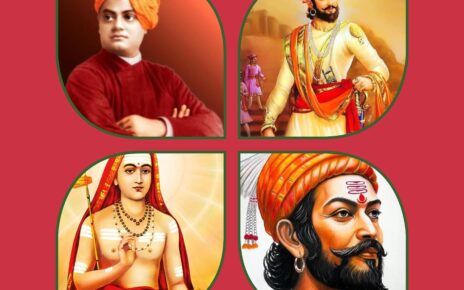
Centuries ago, Swami Vivekananda had rightly prophesied the triumph of Hinduism across the world. Indubitably, such situation has presented itself on platter in this twenty first century: India is increasingly looking confident, with its focus on good of humanity. Unequivocally, it is this unique quality of Hindus which has caught the formidable attention of common Pakistani –men and women both. Naturally, cry of Modi- Modi is reverberating across Pakistan, with brickbats for their own politicians too is flowing galore. It is the most opportune time for the people to people diplomacy to take the tangible shape. If Pakistanis want plebiscite for being a part of India; if they want to return to Mother India as her sons and daughters, Mother India will be prepared to take them to her bosom, which she always deed. This alone makes Mother India unique for humanity. But then, any such geographical re-unification to take place, should follow when People of Pakistan trump the Indian baiters and genuinely feel the part of the Sanatan Civilisation, the geographical boundary of Bharatvarsha, which was mischievously sought to be fragmented, can once again become one. The glory of Sanatan which encompasses one and all, might be the welcome trigger for Pakistanis to reunite with the Bharatvarsha, the nation of Sanatanis, its progenies, Hindus and Muslims together. If East and West Germany can unite after thirty years, why can’t India and Pakistan?
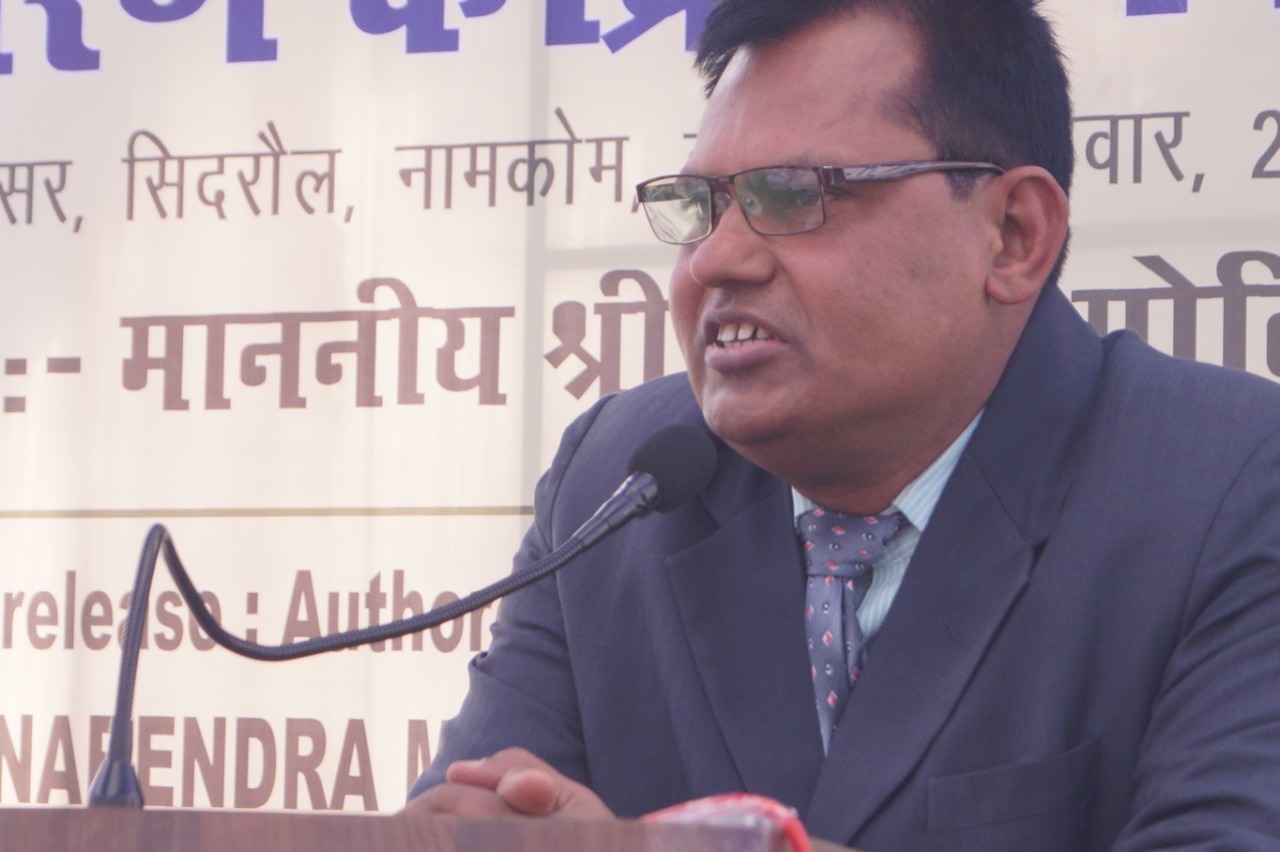
Vivekanand Jha,
Author, Academician and a Public Intellectual.