
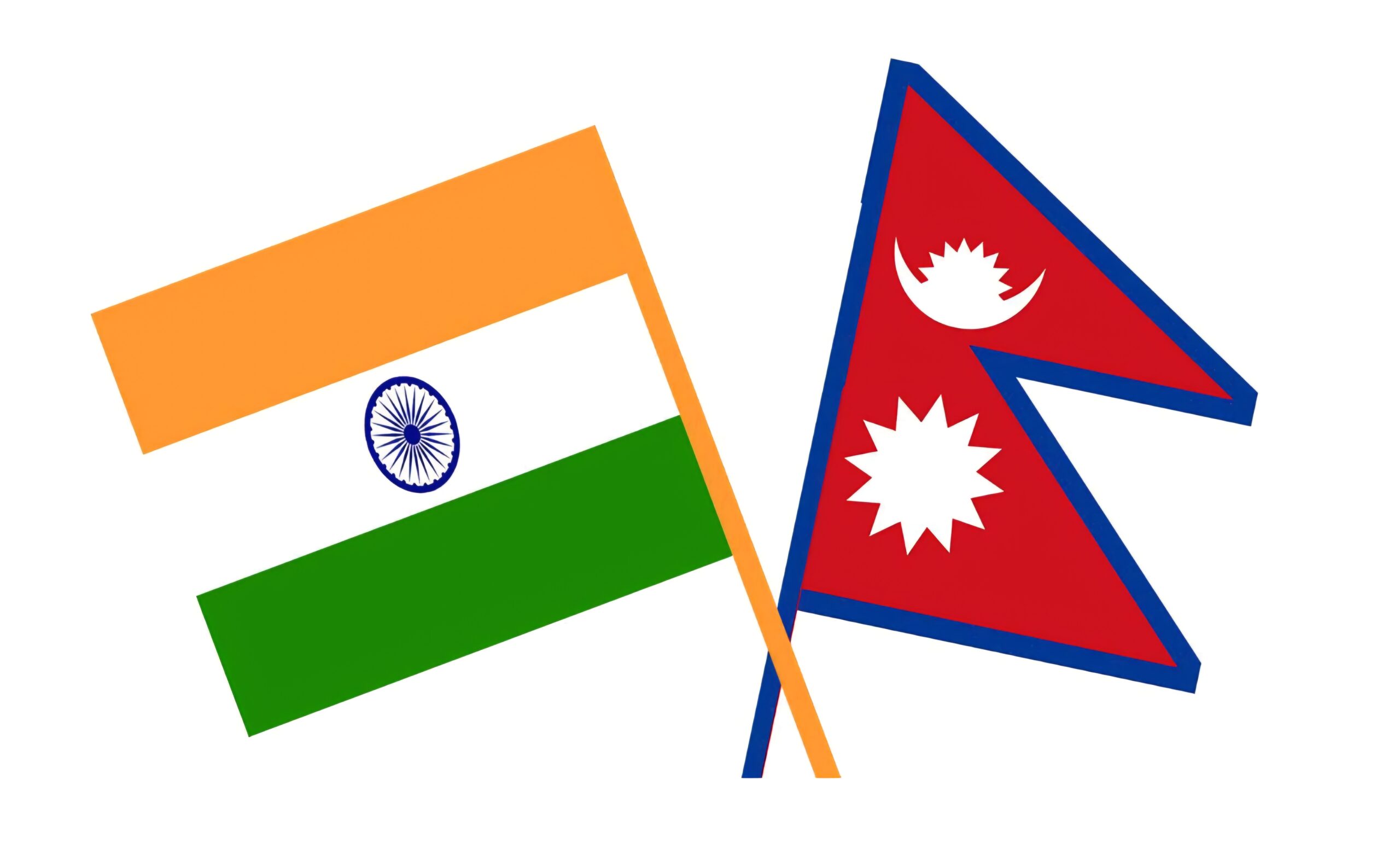
 New Delhi/Kathmandu . After a gap of nearly nine years, India and Nepal are set to hold their much-awaited Home Secretary-level bilateral meeting on July 22–23 (corresponding to 6–7 Saun in the Nepali calendar) in New Delhi. This marks the resumption of one of the key institutional dialogues between the two neighbors, with the last such meeting held in 2016.
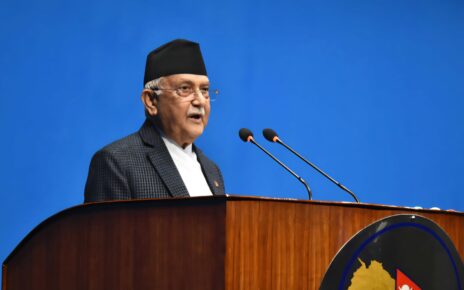
A 12-member Nepali delegation, led by Home Secretary Gokarnamani Duwadi, is scheduled to depart for Delhi on Monday. The team includes senior officials from the Ministries of Home, Foreign Affairs, and Law, as well as representatives from Nepal Police, Armed Police Force, National Investigation Department, and heads of the Survey and Immigration Departments.
Key Agenda Points:
Cross-border crimes
Human and drug trafficking
Border security and management
Sharing of information and disaster response cooperation
According to Ramchandra Tiwari, spokesperson of Nepal’s Ministry of Home Affairs, the meeting will emphasize coordination on border-related security concerns and enhanced bilateral cooperation mechanisms.
Not Focused on Political Border Disputes
While territorial disputes like Kalapani and Susta are not expected to be discussed — as these remain at the political and diplomatic level — several technical issues are on the table. These include:
Maintenance and repair of border pillars
Addressing encroachments
Discussion on infrastructure built by India near the border causing flooding in Nepal’s lowlands
Illegal activities along the open border
Nepal is expected to raise concerns over drug trafficking, human trafficking, and repeated encroachments by bothsides.
Boundary Working Group to Follow
Immediately after the Home Secretary talks, the Boundary Working Group (BWG) — a joint technical mechanism responsible for fieldwork and physical demarcation — will meet in Delhi on July 27 (Saun 12). The group will focus on:
Reconstructing and restoring damaged border pillars
Addressing remaining technical tasks related to demarcation (excluding Kalapani and Susta)
Although most of the Nepal–India boundary has been demarcated, a few stretches remain unresolved and are awaiting political consensus. The BWG will focus on technical follow-ups in the non-disputed areas.
Indian Concerns Likely to Be Raised
From the Indian side, key concerns are expected to include:
Security threats from Nepal’s open border
Illegal entry of third-country nationals into Indian territory
Safe haven for criminals across borders
Illegal arms smuggling
Such issues have routinely featured in past meetings and are expected to be prioritized again.
The revival of this long-pending institutional dialogue signifies a renewed commitment from both countries to strengthen security cooperation, resolve technical border issues, and foster mutual trust in managing the complex challenges along their open and porous border.