How the narratives set by the Constitutional India were antithetical to Civilisational Bharat.
Vivekanand Jha Ranchi: While writing my pioneer book The Making of Narendra Modi, Unmaking of Jawaharlal, in the wake of revocation of Article 370 of Indian Constitution, pertaining to the special provision extended to Jammu and Kashmir on 5th of August, 2019, I stumbled upon some very important facts: how Pundit Jawaharlal Nehru, unconscionably though, had vehemently opposed the renovation of Somnath temple, on the ground that such a rejuvenation would lead to the revival of Hindu nationalism in the polity. Small wonder then, had Dr K.M.Munsi not taken the pioneer initiative to resuscitate the citadel of Lord Shiva, the Sanctum Santorum for millennia, India’s erstwhile glory would have continued to hibernate in ruins. Worse still, not only Nehru immensely resented the reconstruction of Somnath, his visceral aversion towards its reconstruction extended to his dissuading Dr Rajendra Prasad from inaugurating the session which, despite Nehru’s strong objection, Rajendra Prasad did with aplomb. Jawaharlal Nehru, by way of his unleashing a vengeance, got the whole inagural ceremony in May, 1951 blacked out from the media coverage.
Significantly, Jawaharlal Nehru was trying to convey a candid message to the whole country, and to the world, that this new Constitutional India, which had risen from the funeral of Civilisational Bharat, had no place for erstwhile Hindu glory. Worse still, Jawaharlal Nehru, in complicity with Marxist collaborators, had mischievously got the photographs of Maryada Purushottam Sri Ram, Sri Krishna, Adi Shankaracharya and others removed from the pages of original Constitution by the sleight of hand which, ironically though, escaped the rigorous public censure. Apt it is here to suggest that the famous painter of that time and era, Nandalal Bose from Bengal to draw paintings of the greats who represented the glory of Civilisational Bharat. Unequivocally, the first Prime Minister of India was unambiguously conveying his message in black and white: The Hindu heritage of Civilisational Bharat was inconsequential for Constitutional India.
Regrettably, whereas the civilisational Hindu heritage was sought to be given the decent burial, the Mughal history was unconscionably sought to be glorified. The history books, irrationally, yet strategically, sought to indoctrinate the generations of Indians about the greatness of Mughal dynasty. In fact, there hardly would be anyone going to schools would fail to remember the names of Mughal emperors from Babur to Bahadur Shah 2, yet the countless students of contemporary generations might be oblivious of the different types of Vedas, the priceless heritage for humanity. Nachiketa, the famous character of Upanishads, is seldom known to today’s students community. In other words, no stone was left unturned in the malicious endeavours of Marxist historians to distort truth; to undermine the glory of Civilisational Bharat, with an avowed intention to trash its rich heritage by condescendingly dubbing it as obscurantist which, sooner it is forgotten, better for the modern Constitutional India.
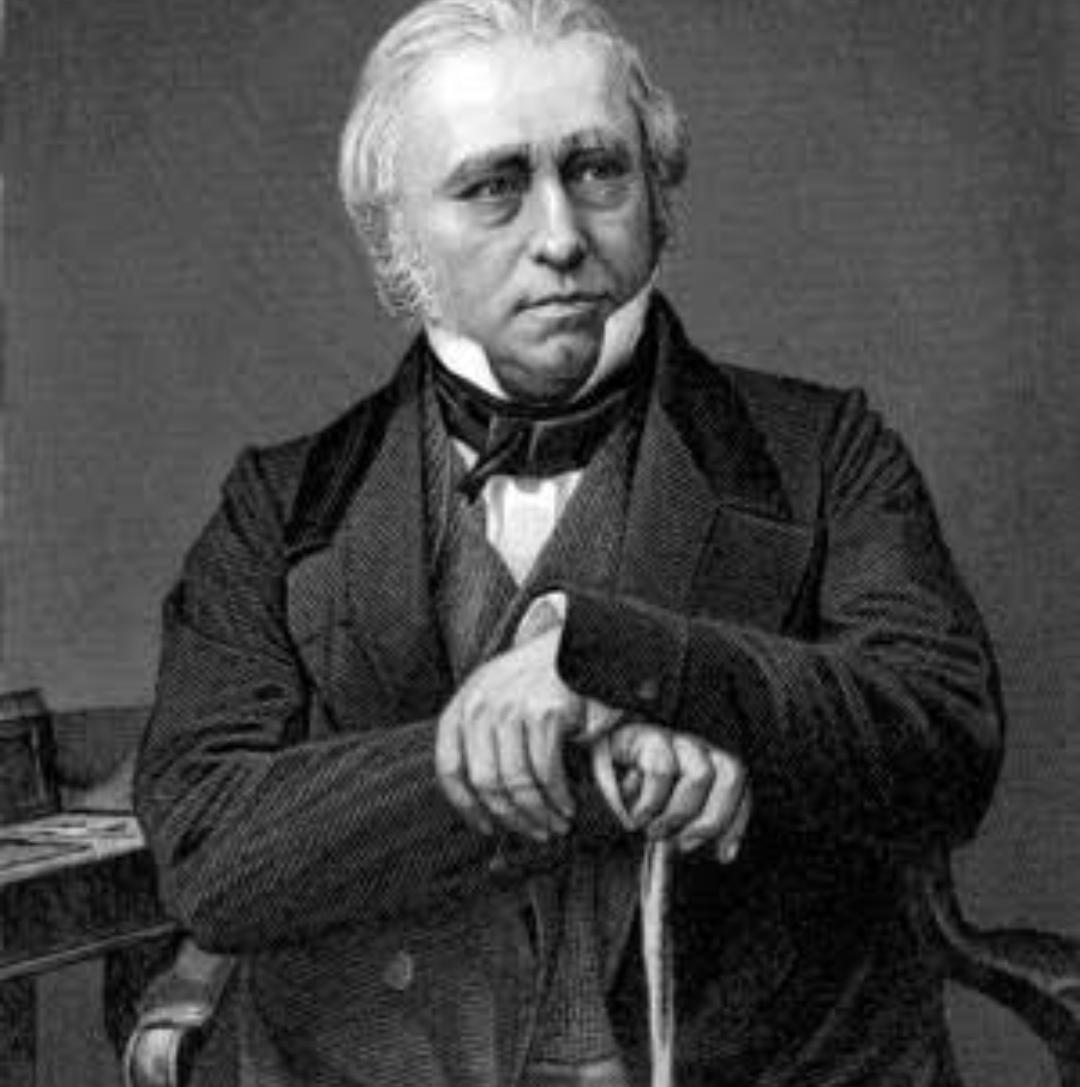
In fact, it was the institutionalisation of narratives, over decades, which began with Macaulay, gained, unconscionably though, a greater traction with the successive generations of Marxist historians. Thomas Babington Macaulay, through his new education policy in 1835, had sought to break the backbone of Civilisational Bharat when, in the garb of institutionalising the modern English education, he had condescendingly sought to strangle the glorious civilisational history of Bharatvarsha, depicting it as the feudal heritage of the orthodox people reveling in anything but modernity which held the solitary torch for their advancement in life.
Significantly, such was the institutionalised hatred of the Constitutional India that, oblivious to their religious sentiment, even the slow economic growth rate was disdainfully designated as the ‘ Hindu growth’ rate. This malafide intention of the then rulers in cahoots with that of vested interest, had seized the control of polity which thrived on berating the Civilisational Bharat for glorifying the Constitutional India. As the historical space was seized by the Marxists, the Bollywood too began aping the oligarch in power citadel: Hindu priests and even gods were shown in poor light. Significantly, the point to prove, even though subtly, yet definitively, was this: The fundamentals of Hinduism is based on orthodoxy and obscurantism.
Over time, the mainstream media too began aping the ruling oligarch: The ‘Muslim appeasement’ policy transmuted itself as the sign and symbol of Indian secularism. The overturning of Shah Bano case verdict by the apex court, was the vindication of this new institutionalised phenomenon in the republic: The Muslim appeasement policy to cater to the vote bank politics was the new raison d’etre and summum bonum of the Constitutional India where the Civilisational Bharat had not even the peripheral place. Atal Bihari Vajpayee’s Vote of Confidence in 1996, had vindicated that how this Constitutional India prized ‘ Muslim appeasement’ as the pivot around which Indian Secularism rotated. ‘ Ataljee is good while his party is not’, the chorus of opposition, continued to reverberate across the length and breadth of India.
Gujarat riot of 2002 was the final nail in the coffin of Civilisational Bharat being trumped by the Constitutional India, became a living saga of national mainstream media. Almost all the English dailies carried the front page news of a Muslim man begging for his life with folded hands, was the strong narrative built up and institutionalised that how in Constitutional India, Muslims stood subordinated by the Hindu hegemony which is anything but true. Moreover, the mainstream media persons camping in Gujarat to defame Narendra Modi and, thereby, Hinduism, became an institutionalised trend. But then the people of Gujarat saw through the whole game plan and consequently backed Narendra Modi to the hilt.
The ongoing media narrative in case of Bilkis Banu to provoke the Muslim sentiments and convey to the western world that how Muslims are being subordinated to the ongoing rule of Hindu nationalism, is the exemplification of how vested interest represented by Nehruvian secularists, Marxists and Islamist Jehadis have taken the stranglehold of the polity by planting their own narratives and dwarfing the other narratives as inconsequential, continues to be the biggest threat to this ongoing battle of the narratives seeking to establish their supremacy. Regrettably, the venomous Islamists’ draconian slogans like ‘ Sar sar se judda’, was almost blacked out from the English mainstream media, yet editorials and articles are continue to be written showing the victimhood of Bilkis Banu. On the contrary, almost no, or if any, editorials ever written on the brutal murder of Kanhaiyalal and others by Muslim Jihadis barely for supporting Nupur Sharma. Small wonder then, when the decades of institutionalised narratives striving to upend the glory of ‘ Satyamev Jayate’, it is the most opportune time to set right this setting of narratives which adversely reflects on the nation’s collective resolve to see the truth triumphing over deceit and Goebbelsian propaganda replacing the sunlit value and importance of real victimhood versus the masqueraded one. It is here the trumping of Civilisational Bharat by Constitutional India must stop. Hence, in this context, the importance of social media, along with such credible portal as this one, assumes monumental significance.
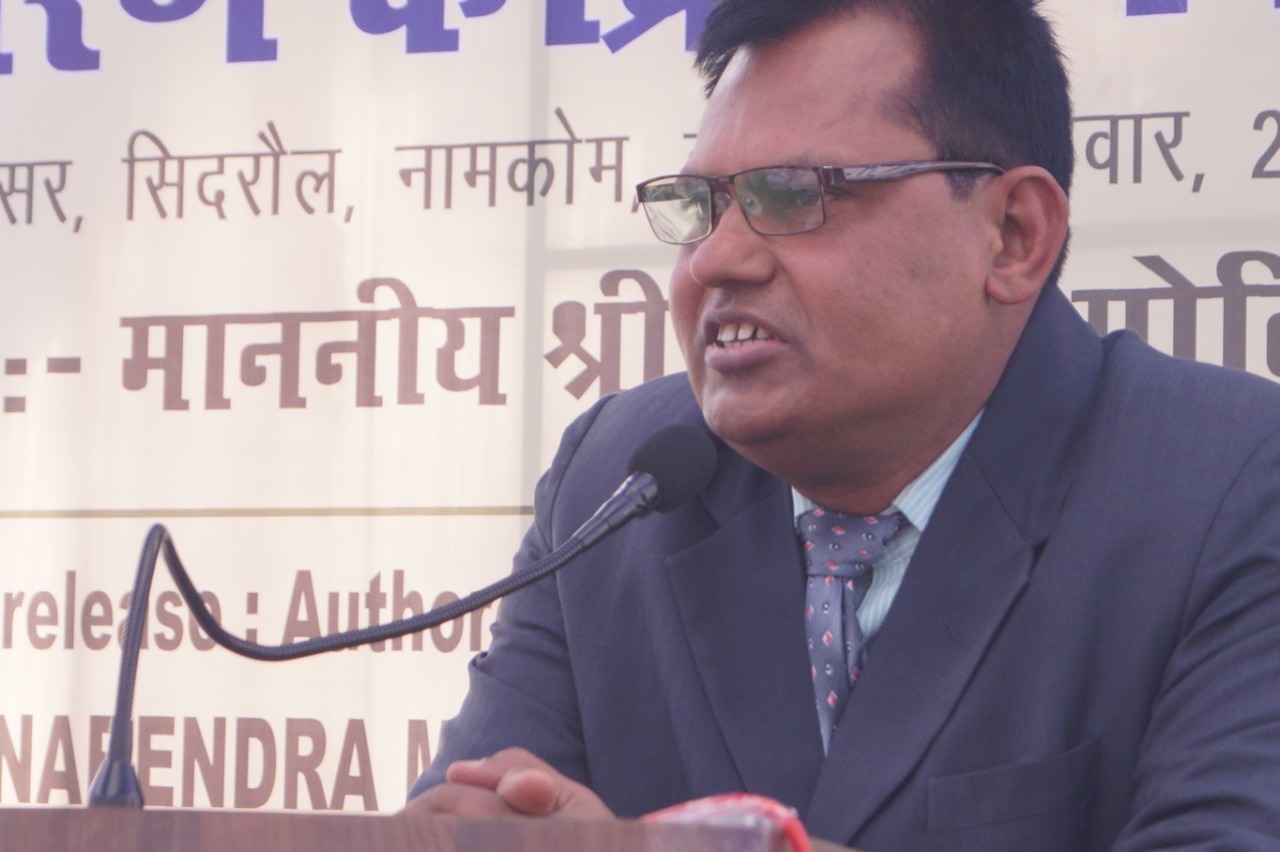
Vivekanand Jha, Author, Academician and a Public Intellectual. He is the Convener of Education pe Charcha.