Vivekanand jha, Ranchi. The pan Bihari identity that Nitish Kumar sought to build when he gave
a clear call of ‘Han, Ham Bihari hain’, stands incontrovertibly
punctured at the altar of his anointing a successor from his own Kurmi
caste, despite there being several competent leaders from forward
castes. Willy nilly it has struck a nail in the coffin of a pan Bihari
image of ‘Yes, I am Bihari’ being a solitary identity of one and all
cutting the caste barrier.
Finally, as was expected, Nitish Kumar handed over the baton of party
leadership to his fellow brethren, Ramchandra Pratap Singh, a Kurmi
from his home district, Nalanda. That Nitish was destined to do the
same, became ostensibly obvious when Prashant Kishor, a poll
strategist, whom Nitish Kumar had given the absolute credit for
piloting the ship of Mahagathbandhan, towards the decisive victory in
2015 state election, was given the boot. In fact, for the observers of
Bihar politics, such a move in a party which has the tag of being a
Kurmi’s party, where a Brahmin, Prashant Kishor, was purportedly
seeking the mantle of leadership, naturally caused a tremendous sense
of discomfiture and resentment among those who were expectantly
looking forward to someone from Kurmi, preferably from Nitish’ home
district, could eventually be anointed as the successor of Nitish
Kumar.
Incidentally, even RCP Singh, the recently anointed Party President,
too appeared tense with the goings on within the party apparatachik,
especially in view of the growing clout of Prashant Kishor within the
party, and Nitish’ rock like standing behind the former for ensuring
him the victory at the hustings. However, as it was expected, the
bonhomie between Nitish Kumar on the one hand, and Prashant Kishor and
Pavan K. Varma, on the other ended abruptly when the duo discovered,
to their disillusionment, that the so-called Vikas Purush, needed a
battery of ‘yes men’, and therefore, if they needed to stay within
JDU, they should learn the technique of kowtowing the wishes and
whimsicalities of their boss. Significantly, neither of them-both
Prashant Kishor and Pavan K Varma-being men of independent minds,
failed to live up to the expectations of the party’s ethos-the party
intended them to be submissive and not outspoken. It was during the
turbulent times when Nitish Kumar, putting to shreds all his morality
and principles, joined the Modi bandwagon, while ditching Laloo Yadav.
Pavan K Varma, to his credit, refused to join the cheerleaders of
Nitish Kumar and called his bluffs. Prashant Kishor too, having
discovered himself on the periphery of JDU, not being given the
commensurate responsibilities which he expected to come his way, too
sided with Pavan K Varma to raise accusing fingers at Nitish’
autocratic leadership.
Interestingly, Nitish, as Varma had strongly alleged, had simply
breached the party’s collective resolution by overturning it as per
his own whims and fancy, going by his own political expediency.
Apparently, Pavan K Varma forgot the fundamentals: in one man ‘s
party, far from political principles and moral scruples defining the
political moves, it is the supremo’s whimsicalities that govern the
conduct of the party. A consensual leadership or democratic
functioning is the paradox in so called vibrating democracy like
India. No wonder Prashant and Pavan K Varma realised it to their utter
lack of wisdom, in the prevailing scenario, that democracy is the ruse
behind prevailing autocratic leadership styles of leaders prevailing
across the political spectrum. Once the duo was out, the conservative
and traditional votaries of casteist orientation completely took
control over the party. RCP Singh, a bureaucrat turned politician,
incidentally from the same district as Nitish Kumar, whom Nitish Kumar
invited to join his party, was all along tipped to step into Nitish
Kumar’s shoes, was handed over the party’s rein, finally.
Regrettably, all the veterans who were together with Nitish Kumar,
during the Student’s Movement in the 70’s were simply ignored. For
instance, Vashistha Narayan Singh, Lalan Singh and even K.C.Tyagi -all
the senior leaders were disdainfully ignored for the post of the party
president. In fact, Nitish Kumar, was unambiguously conveying a
message to the larger public: JDU, notwithstanding all its political
postures, remains the party of Kurmis as its base. Whereas it may add
lustre to itself by inviting more and more people from beyond its
caste, yet it should remain a party of Kurmis. Ironically, Bihar,
where caste is the determining factor, rather a paramount factor for
rise in politics or even in other fields, Nitish Kumar’s rise in Bihar
politics was a harbinger for a positive change-it was expected that he
will break the hitherto vicious caste matrix that inevitably inhibited
Bihar’s rise as a numero uno state in the country, especially when
Nitish Kumar was seeking to cobble up a pan Bihari identity.
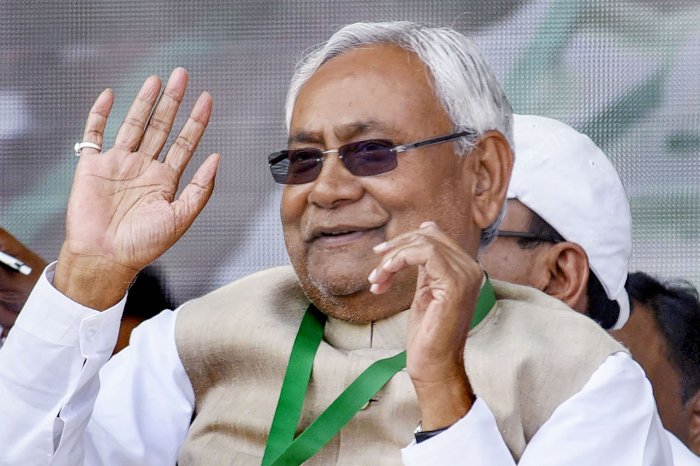
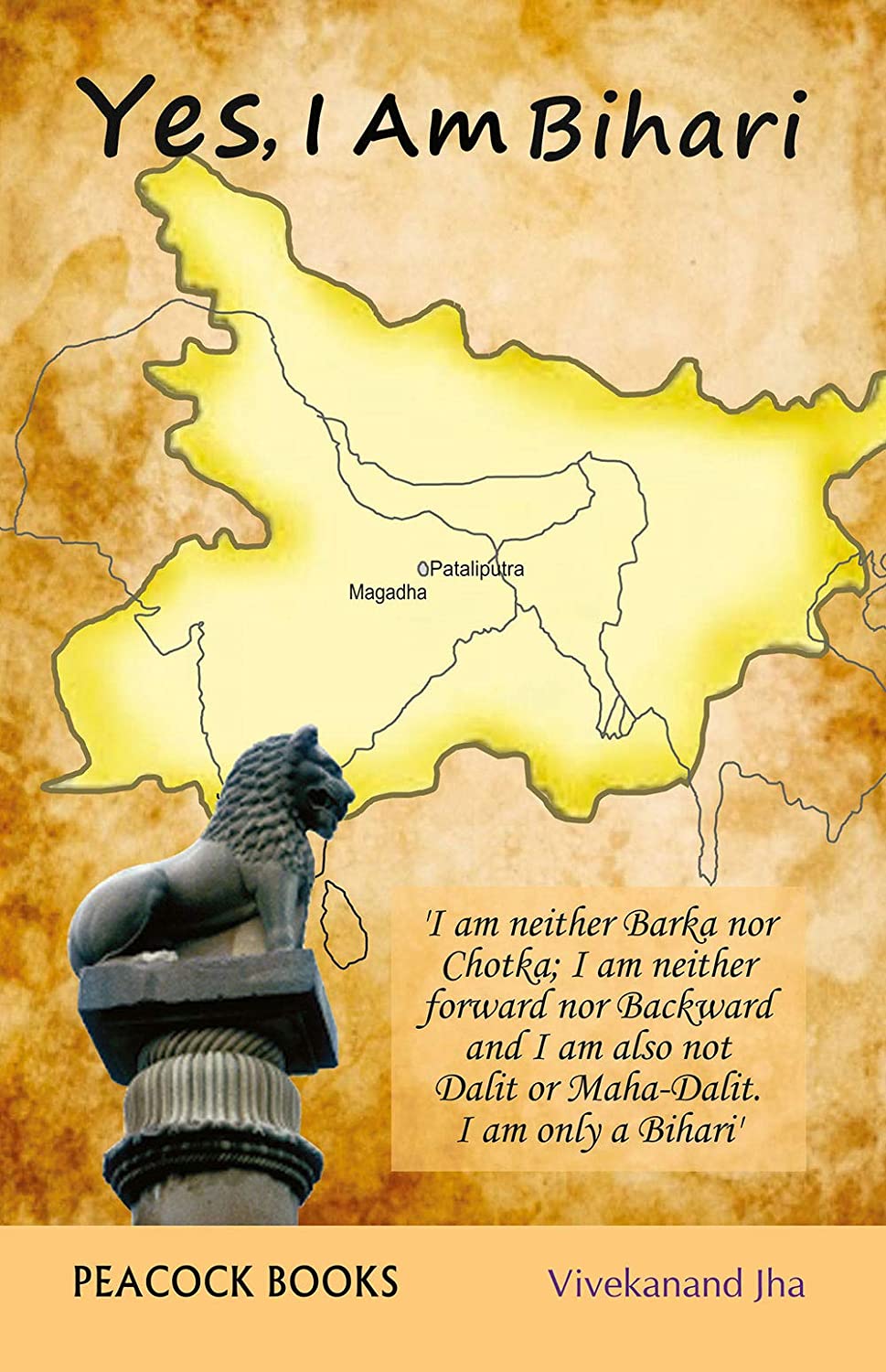
No wonder taking cue from this writer’s famous book Yes, I am Bihari,
Nitish Kumar had given a clarion call of ‘Han, Ham Bihari hain’,
unfortunately the same man will recoil yet again to caste factor
swaying his decision, is the vindication of the contagion that
casteism has come to occupy in the people’s psyche. Worse still, when
history afforded an opportunity for Nitish Kumar to break the jinx, he
too chickened out, thereby giving a decent burial to the earnest hope
that he will bite the bullet to rewrite the history of Bihar.
Especially when he was organising Bihar Diwas to showcase the glory of
Bihar, himself would end up as the casualty of the age old congenital
vice of identity politics taking precedence over all other
considerations. Unfortunately, in Nitish Kumar’s decision to anoint
RCP Singh, Bihar has once again missed the bus.