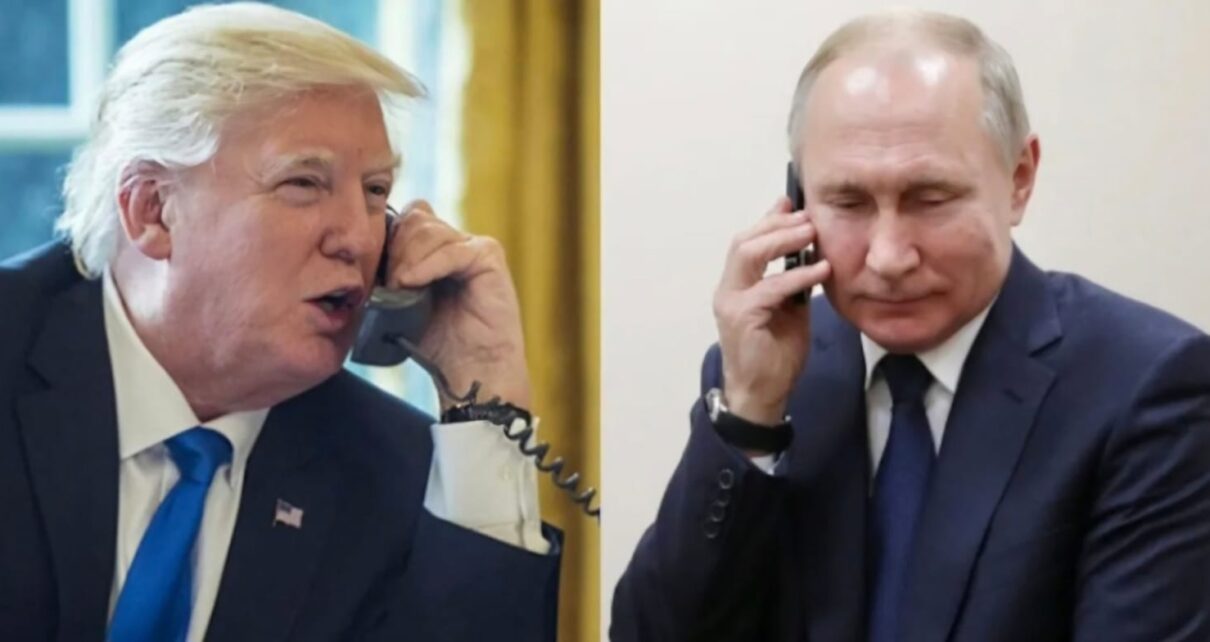
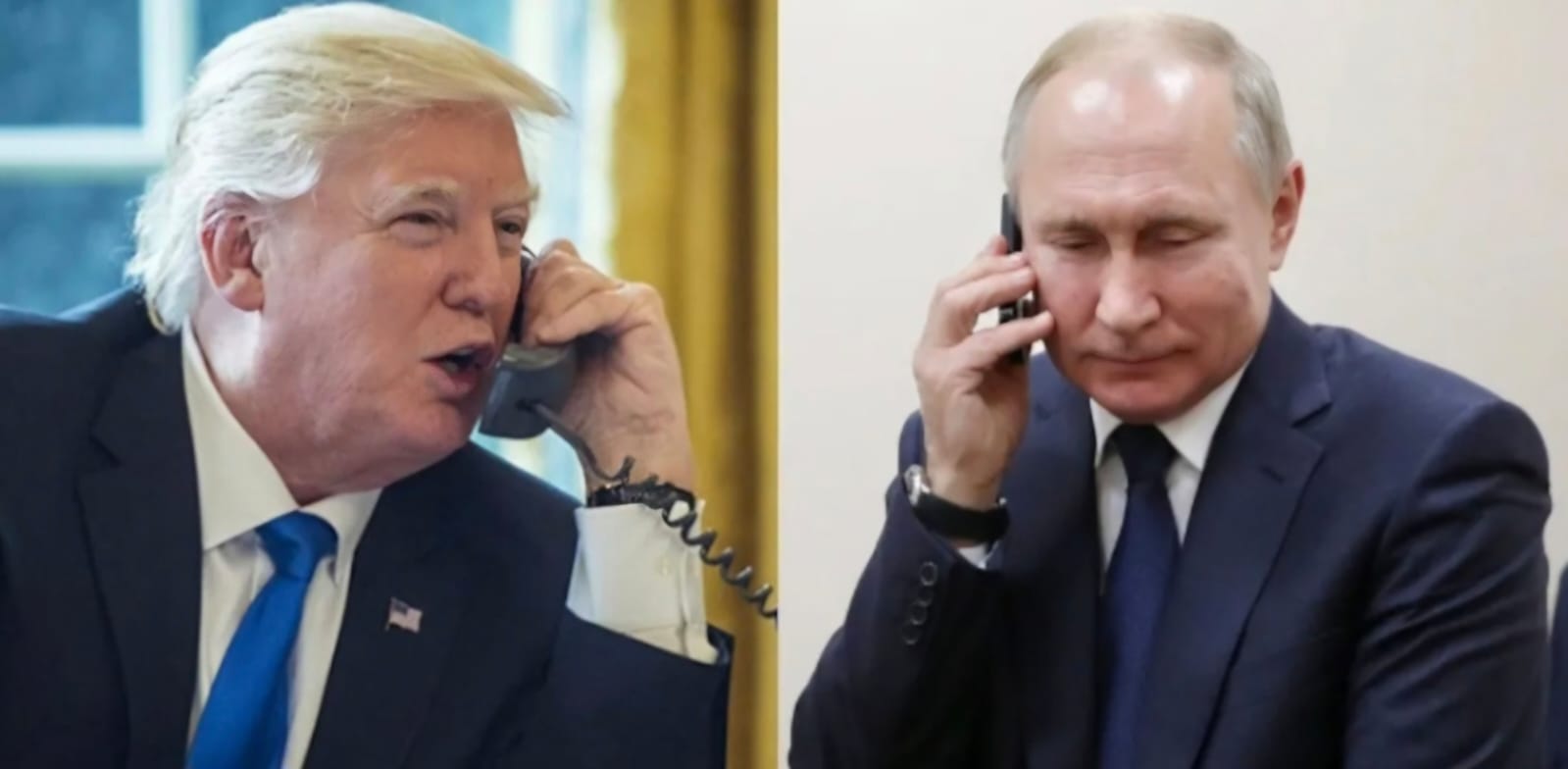
Kathmandu, July 23, 2025 – Former U.S. President Donald Trump recently issued a 50-day ultimatum to Russia, demanding an end to the Ukraine conflict or face severe sanctions, including a 100% tariff on countries trading with Moscow. The warning, delivered on July 15, threatened not only Russia but also its trade partners, potentially disrupting global supply chains and targeting economies like India and China, which maintain significant commercial ties with Russia.
Despite the aggressive rhetoric, Moscow appears unfazed. Russia’s stock market surged by 2.7% following Trump’s announcement, and the ruble strengthened. Global oil markets showed no signs of distress, with traders seemingly dismissing immediate risks. Analysts suggest Russia perceives no credible threat, a sentiment echoed by former Russian President Dmitry Medvedev, who downplayed Trump’s warning on social media, stating Russia would pay it no heed.
Market reactions indicate Trump’s threats are being taken as political posturing rather than actionable policy. Artem Nikolaev, an analyst at Invest Ira, noted that Trump’s statements failed to meet market expectations for credible action. Instead, the 50-day timeline has been interpreted as a window of relief, giving Russia time to advance its military objectives in Ukraine without immediate economic pressure.
Trump’s ultimatum may also undermine more stringent sanctions proposals in the U.S. Congress, which include measures like a 500% tariff and restrictions on presidential authority to waive penalties. By issuing his own aggressive warning, Trump has shifted focus from bipartisan efforts, delaying Senate votes on tougher sanctions until the 50-day period expires, potentially easing immediate pressure on Russia.
Three factors weaken the credibility of Trump’s threats. First, his track record of issuing ultimatums without follow-through has led financial markets to view his warnings as mere rhetoric. Second, a lack of domestic political accountability diminishes the weight of his threats, as U.S. Congressional resistance limits enforcement. Third, effective sanctions require robust diplomatic infrastructure, which has been eroded under Trump’s administration through dismantled foreign policy mechanisms and suspended USAID programs.
Investors and foreign governments see through this combination of inconsistent rhetoric, domestic political constraints, and weakened diplomatic tools. As a result, Trump’s threats are increasingly viewed as theatrical gestures rather than genuine economic pressure, leaving Russia confident and markets unshaken.